Bird Photography recap from the first few months of 2026
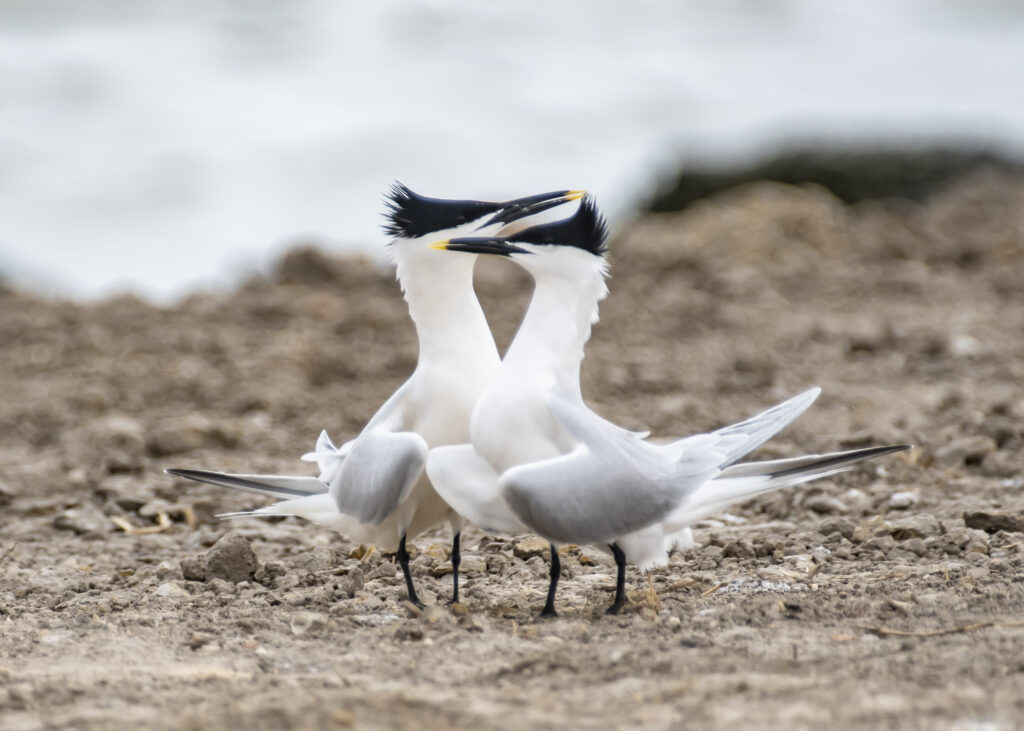
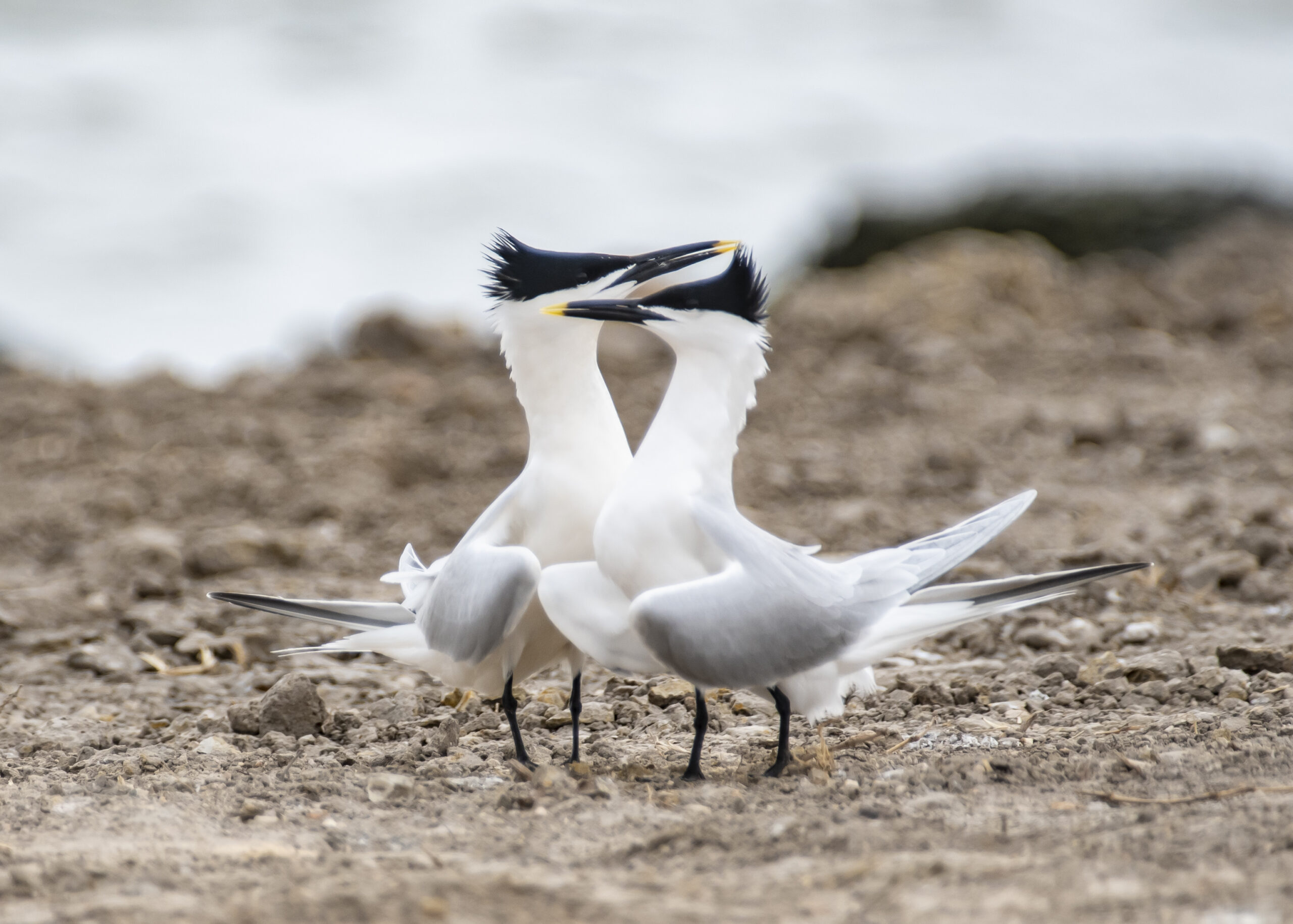
Pair of Sandwich Terns at the Texas City Dike
These are the birding and bird photography highlights of Spring 2026, from February to May. I did no birding in January or the first 3 weeks of February of this year. My first birding outing of this year was on February 22 at Smith Oaks Rookery on High Island. But I have gone roughly every couple weeks since then. Multiple birding hotspots, including multiple trips to one specific spot, have yielded 160 species, including several rarities, at least for the area where I saw them, and three lifers.
Smith Oaks Rookery at High Island, Texas
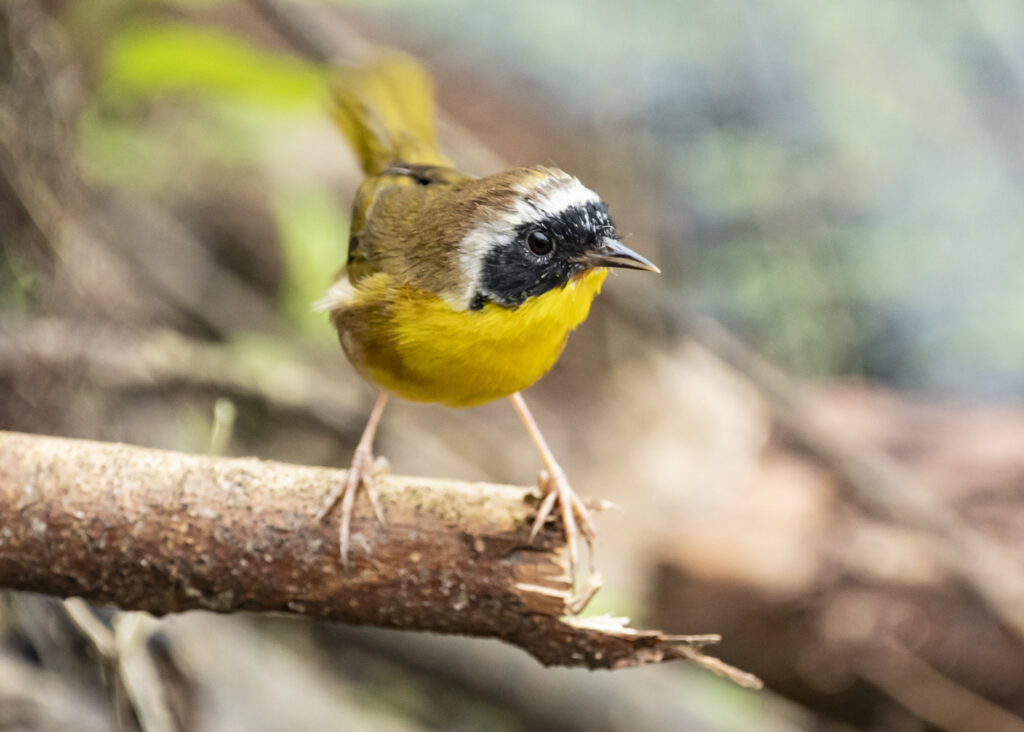
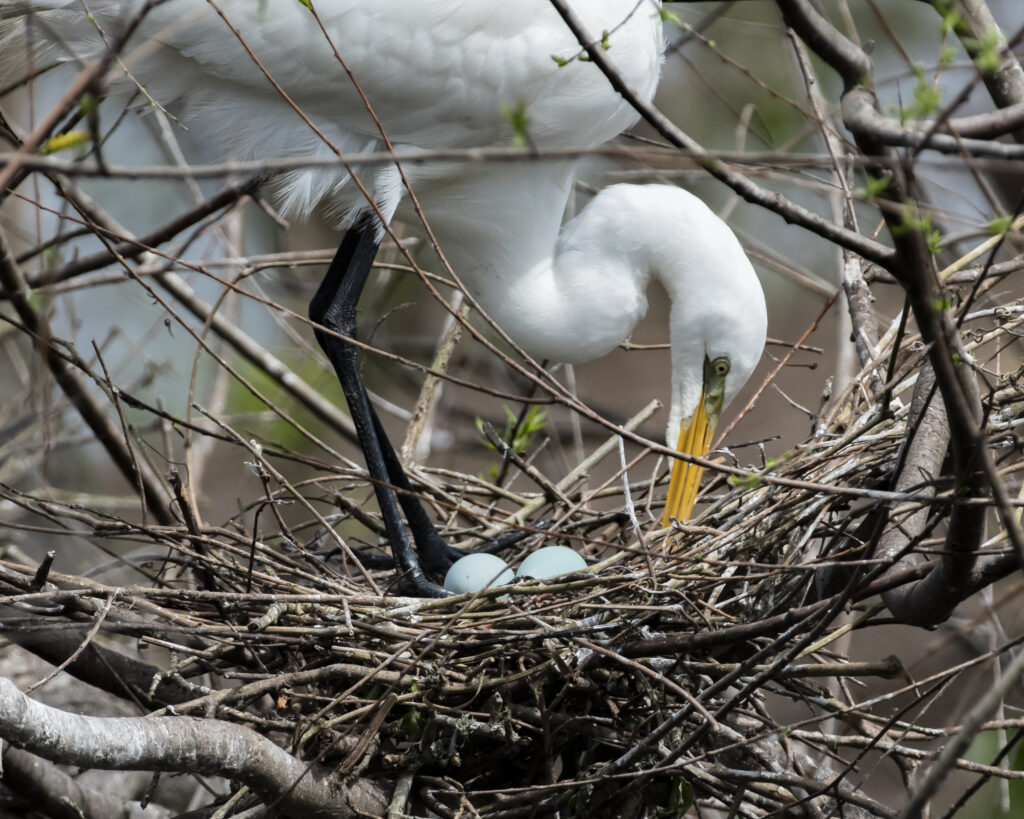
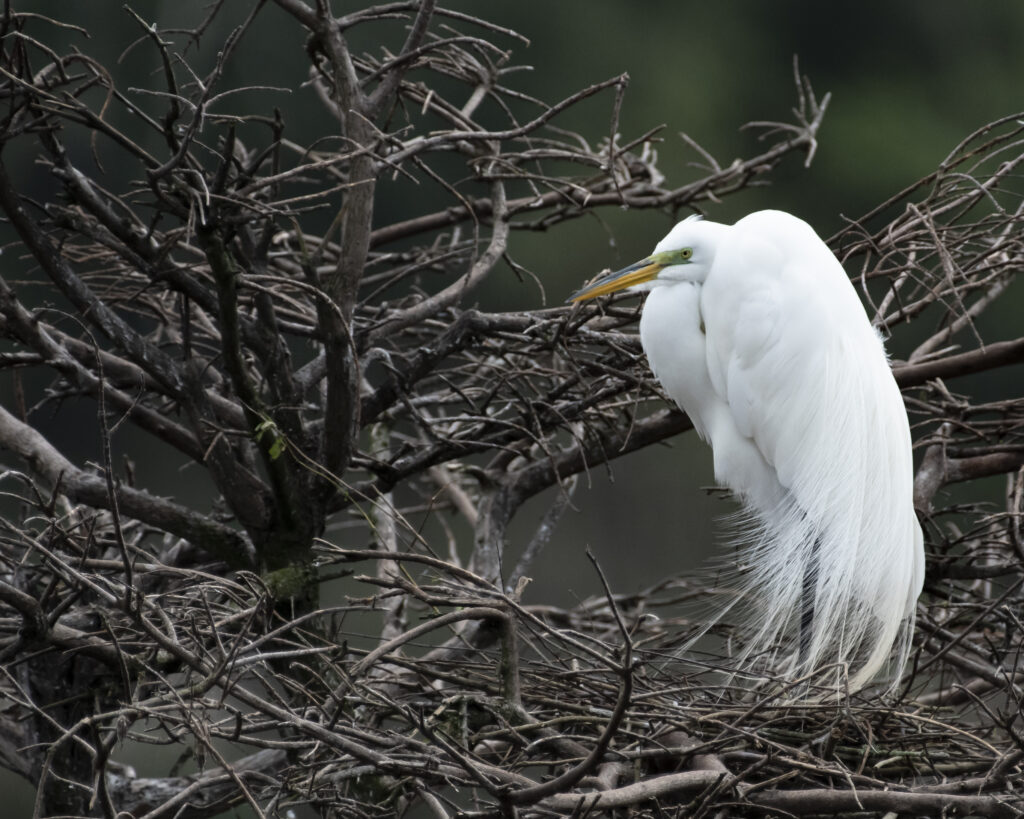
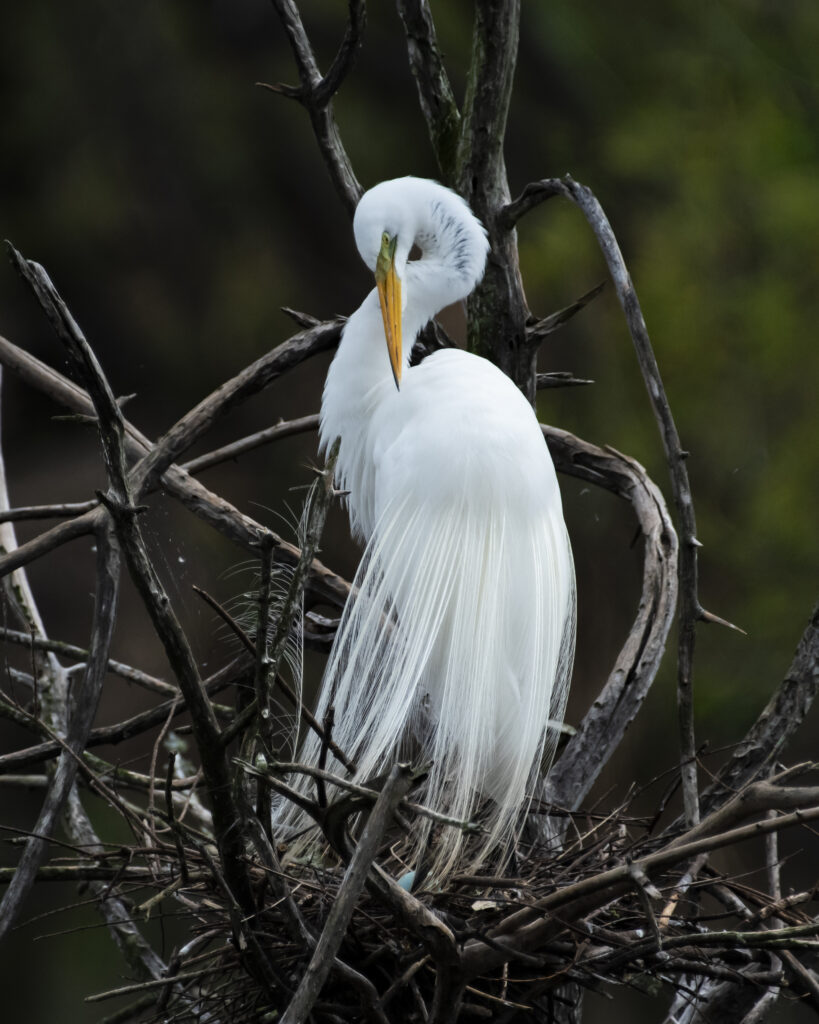
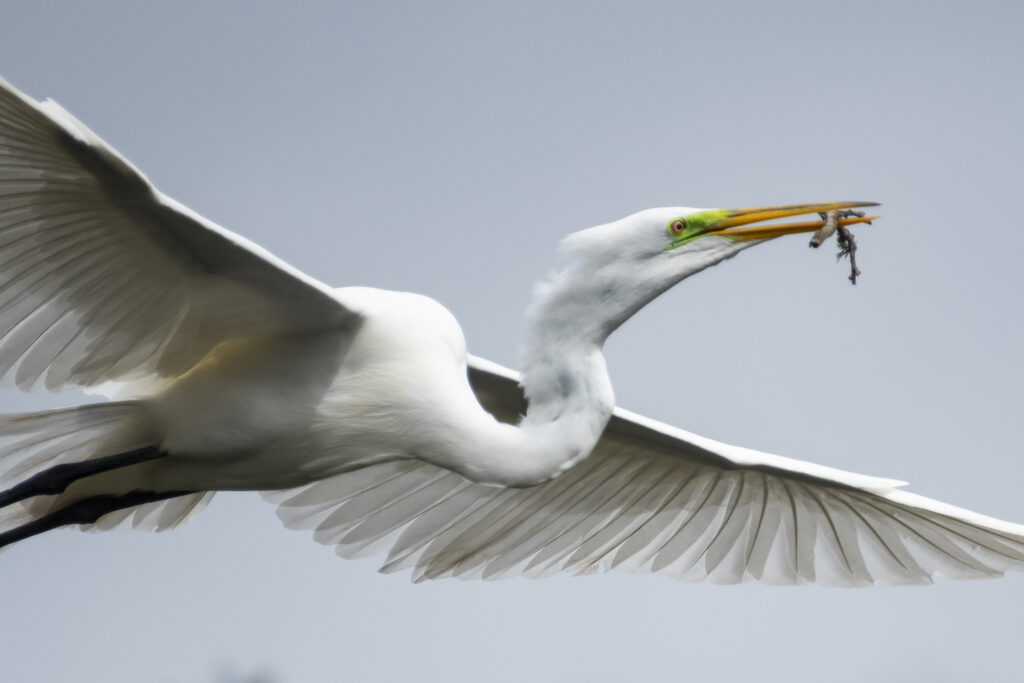
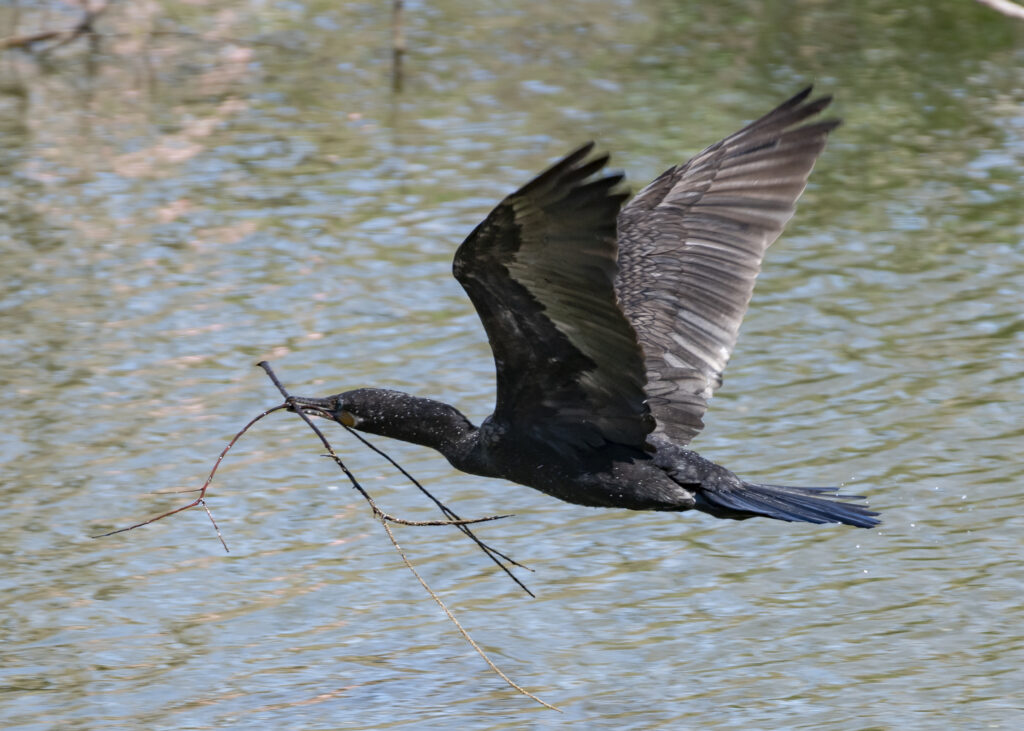
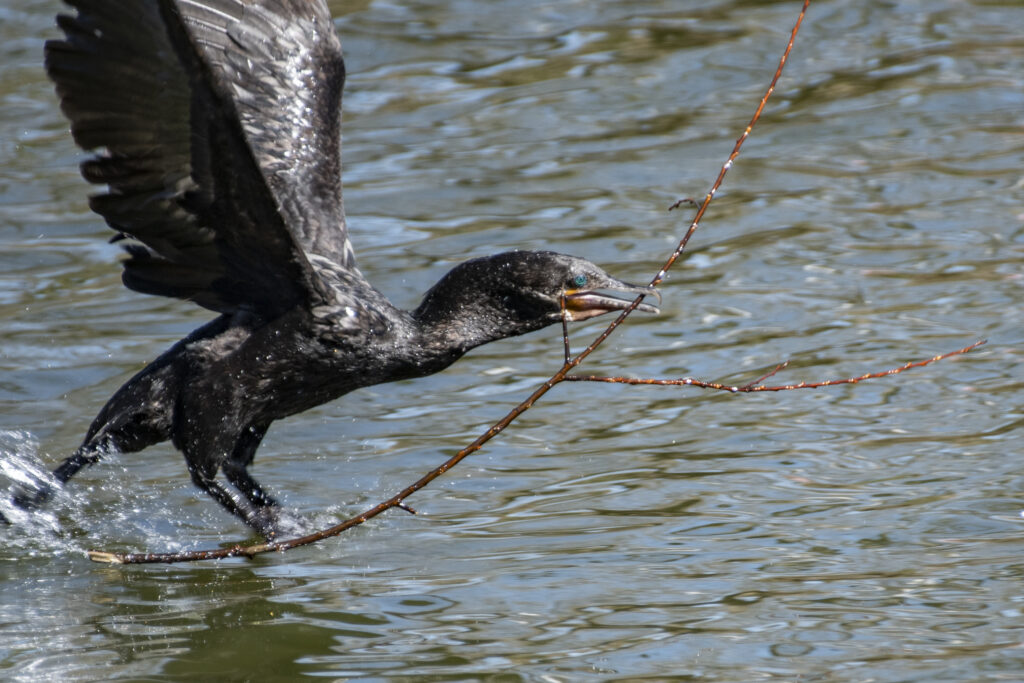
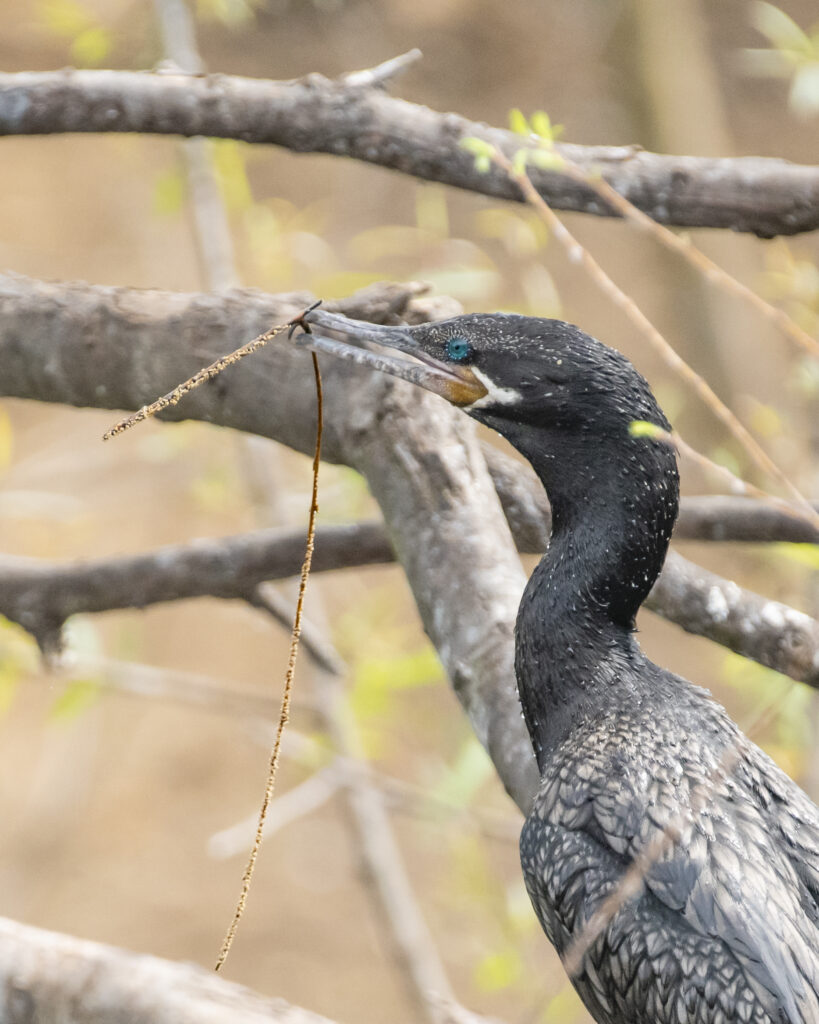
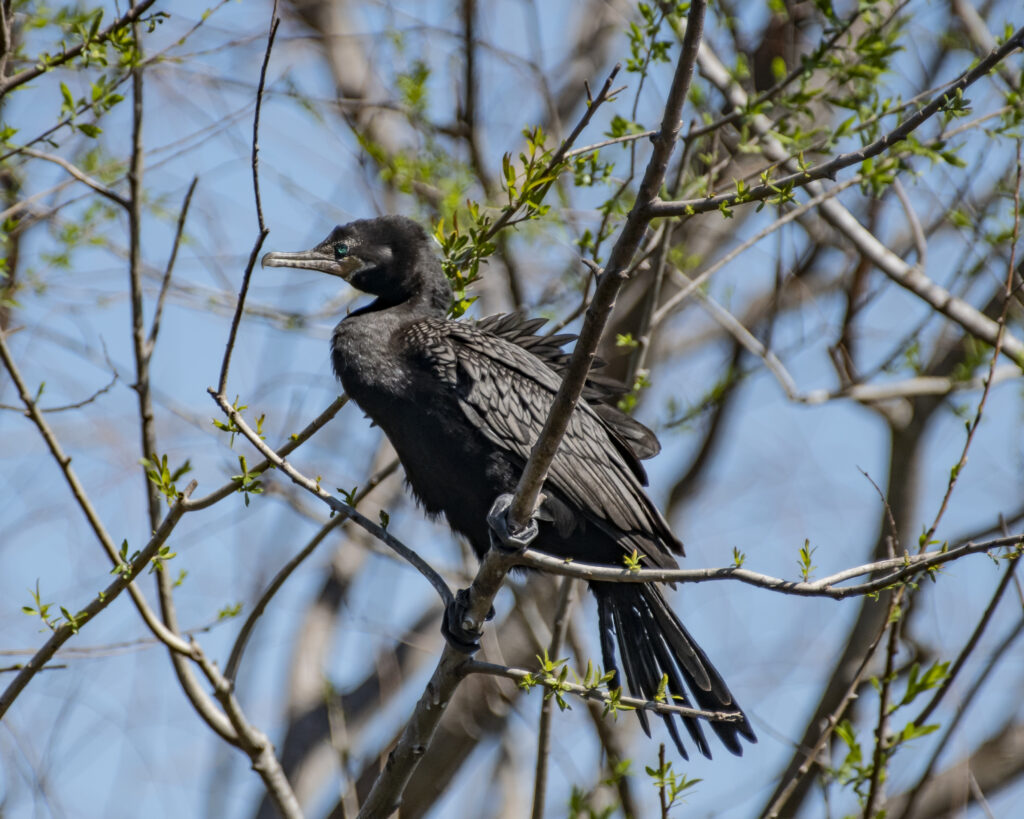
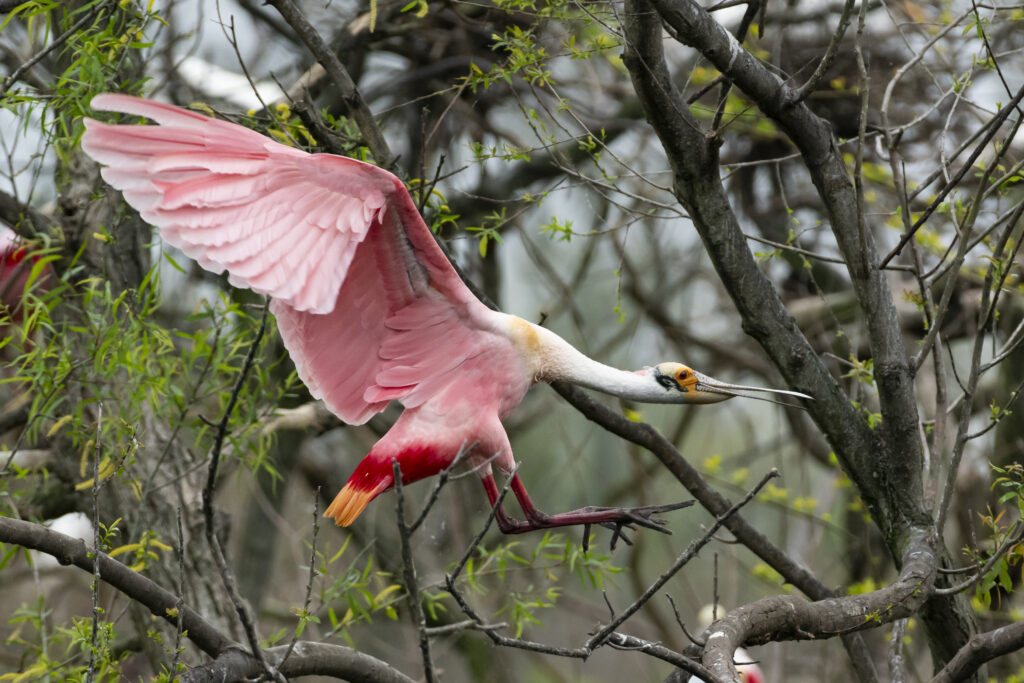
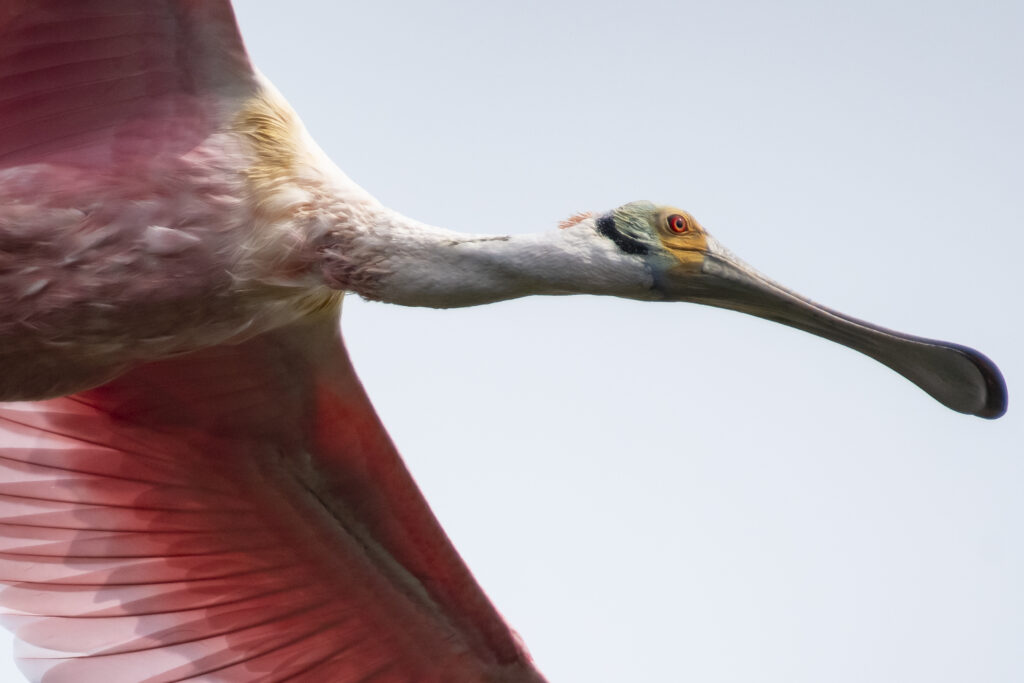
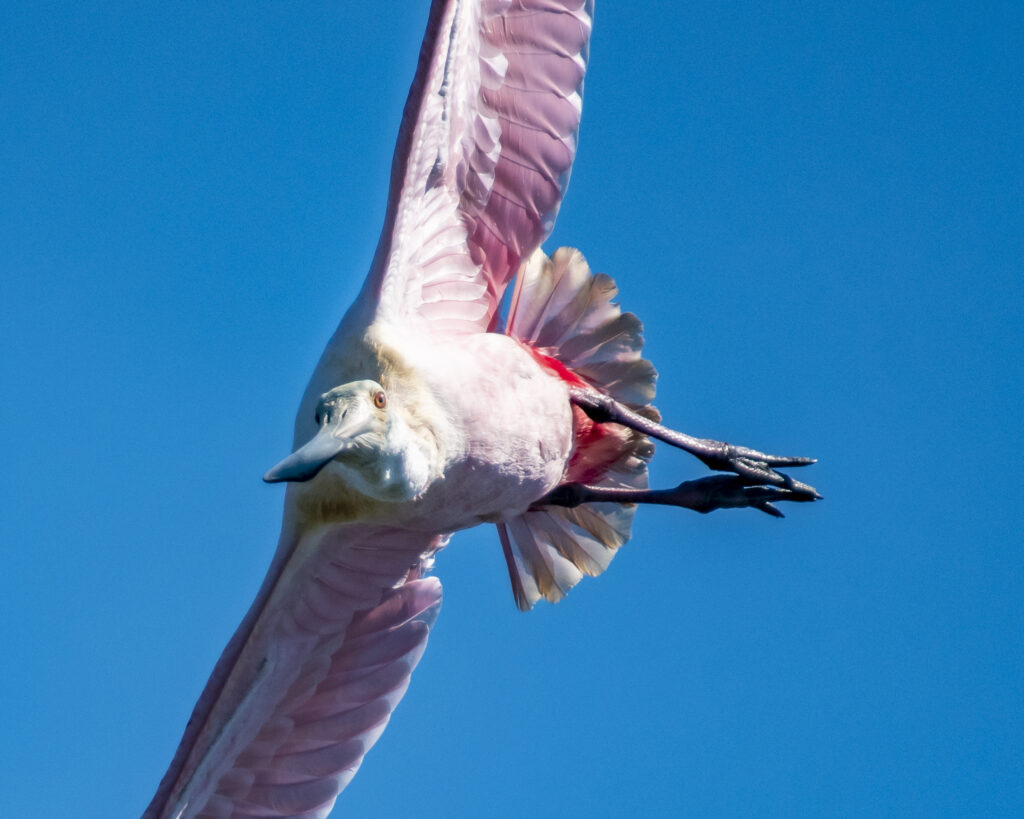
Common Yellowthroat perching on a dead stickA Great Egret tends her bright turquoise-colored eggs in a nest made of sticks and branches.This Great Egret sits in a tree, braced against strong wind as it waits for its partner to return from collecting either food or nesting materialA Great Egret’s beautiful plumes, a temporary adornment during breeding season, take a lot of preening to keep them healthy.A Great Egret carries nesting material. Great Egrets build their nests out of sticks and branches gathered from the ground or larger fallen branches.A Neotropic Cormorant carries nesting material. Like herons and egrets, they build nests from sticks.Neotropic Cormorants sometimes dive under water to collect submerged nesting materialThis Neotropic Cormorant pauses in a tree on its way to deliver nesting material to its partner.Neotropic Cormorants have eyes that turn turquoise during breeding season.A Roseate Spoonbill hops from one branch to anotherA Roseate Spoonbill swoops too close to fit in the camera frameAnother Roseate Spoonbill swooping low
Texas City Dike, Texas City, Texas
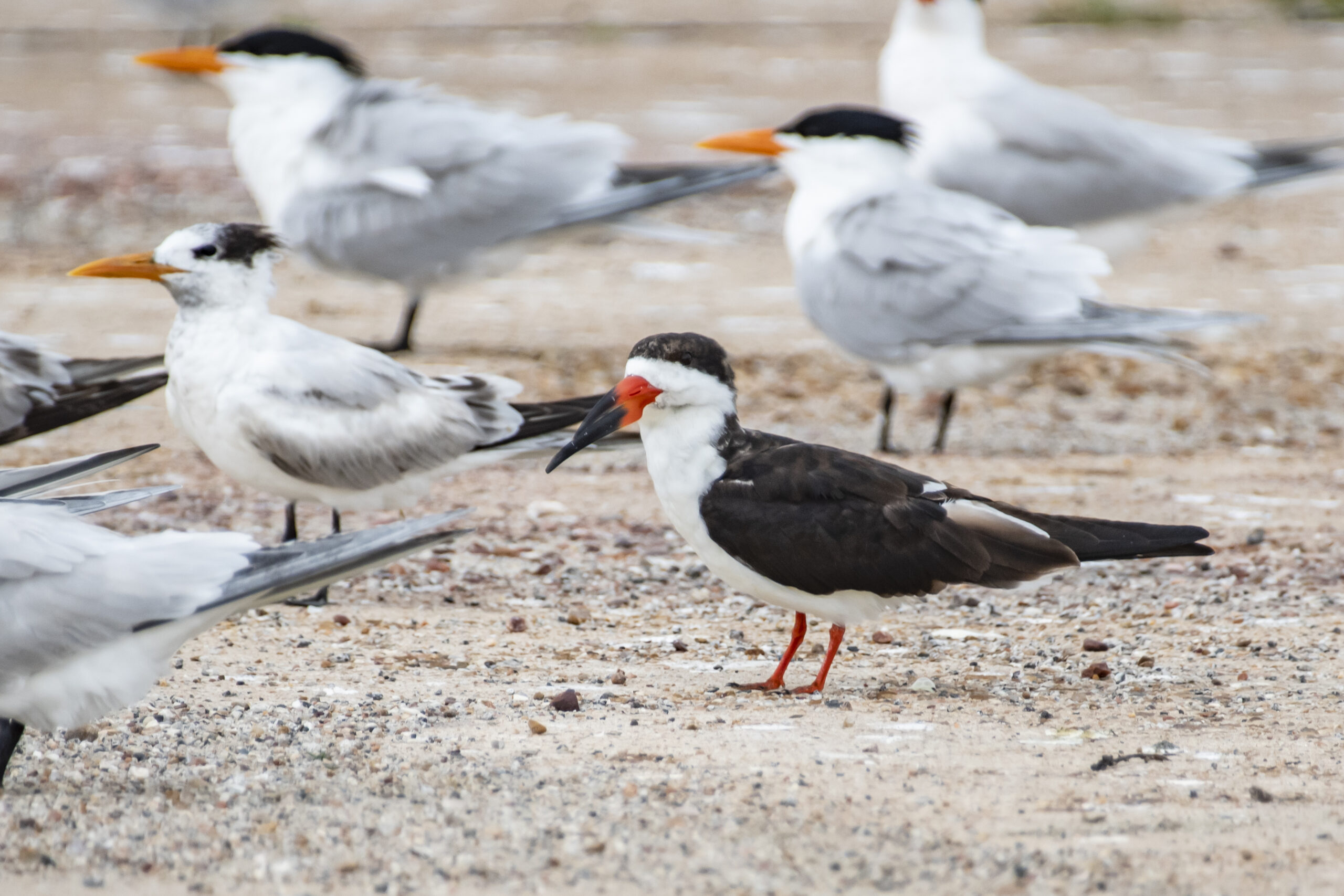
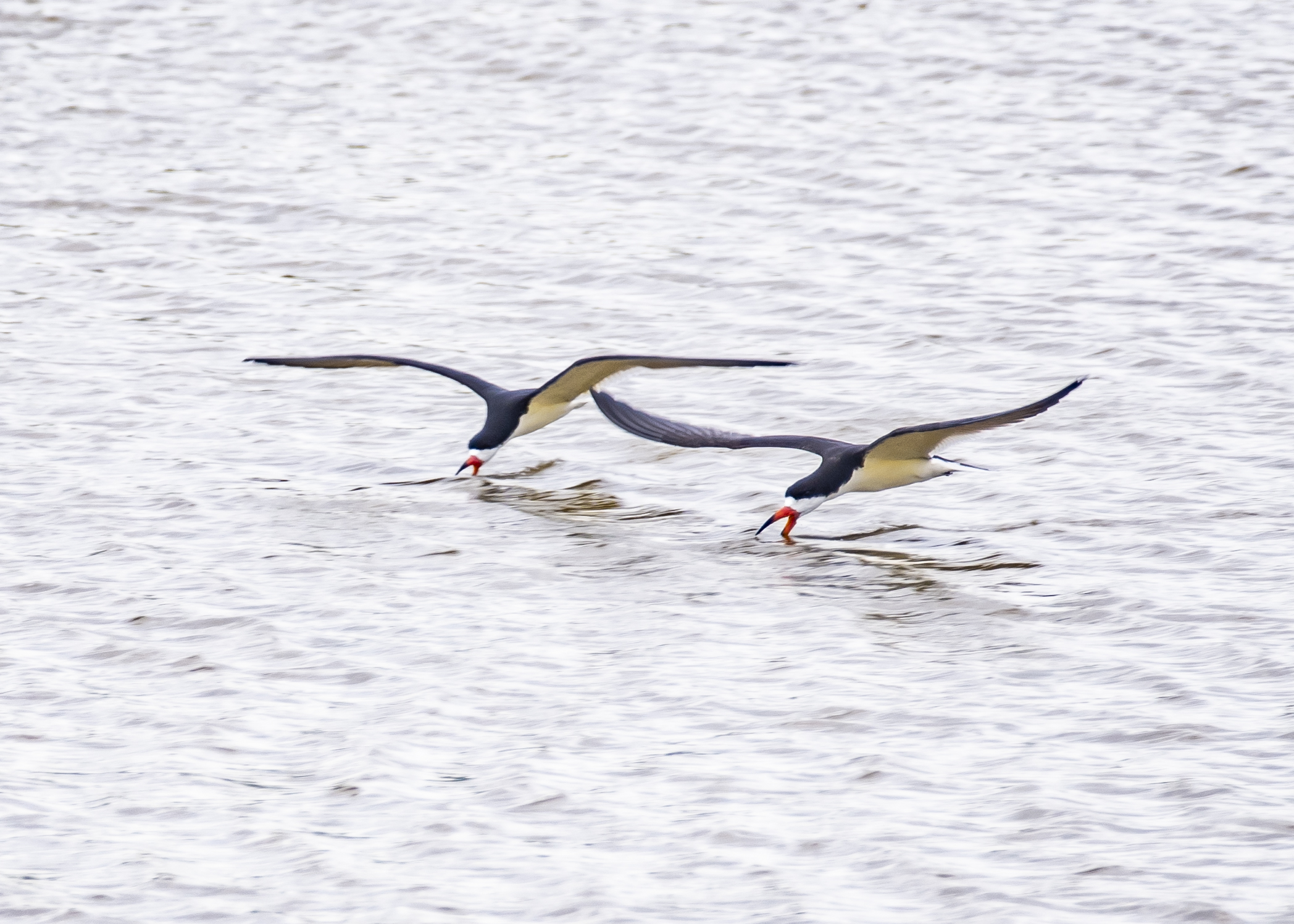
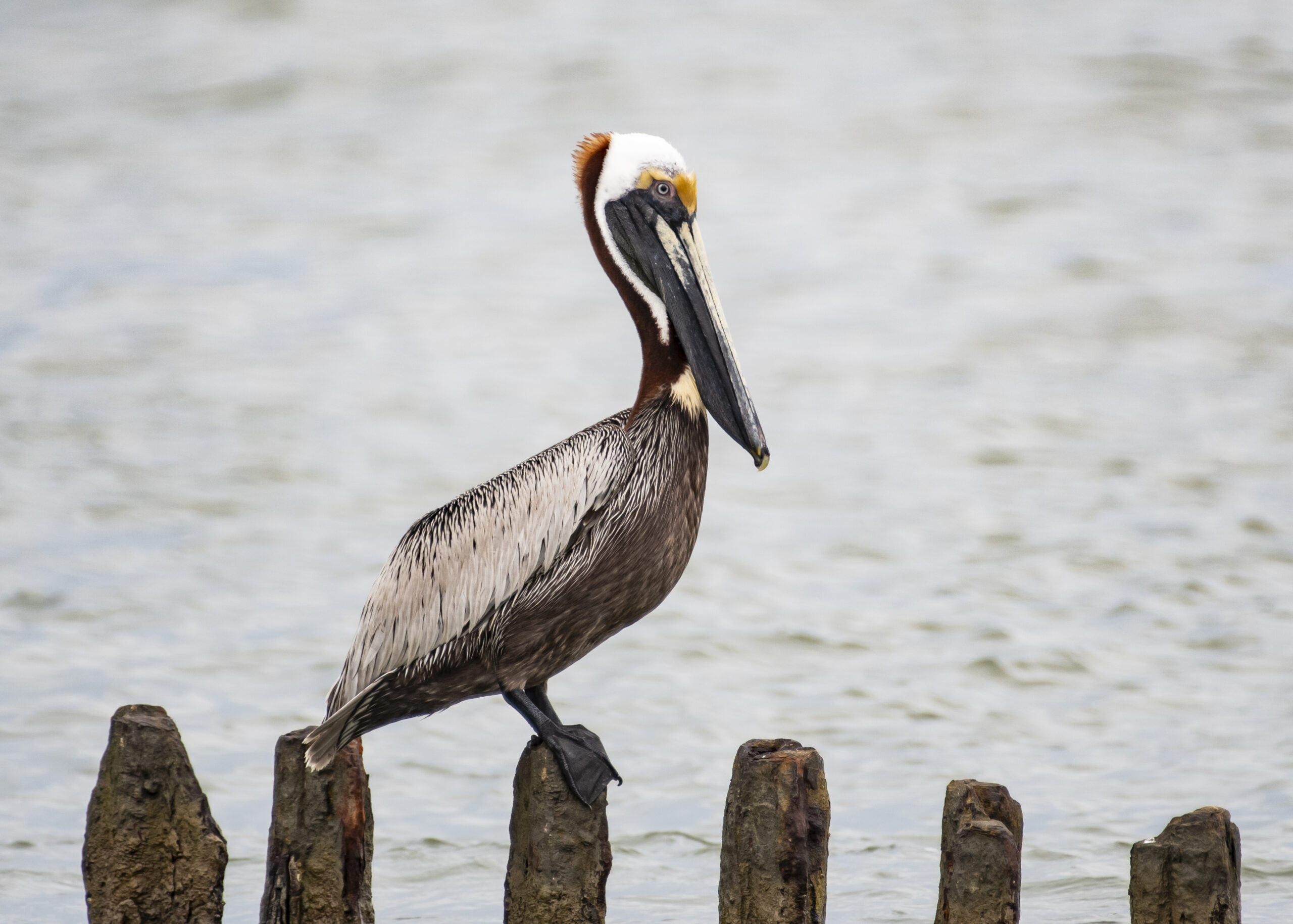
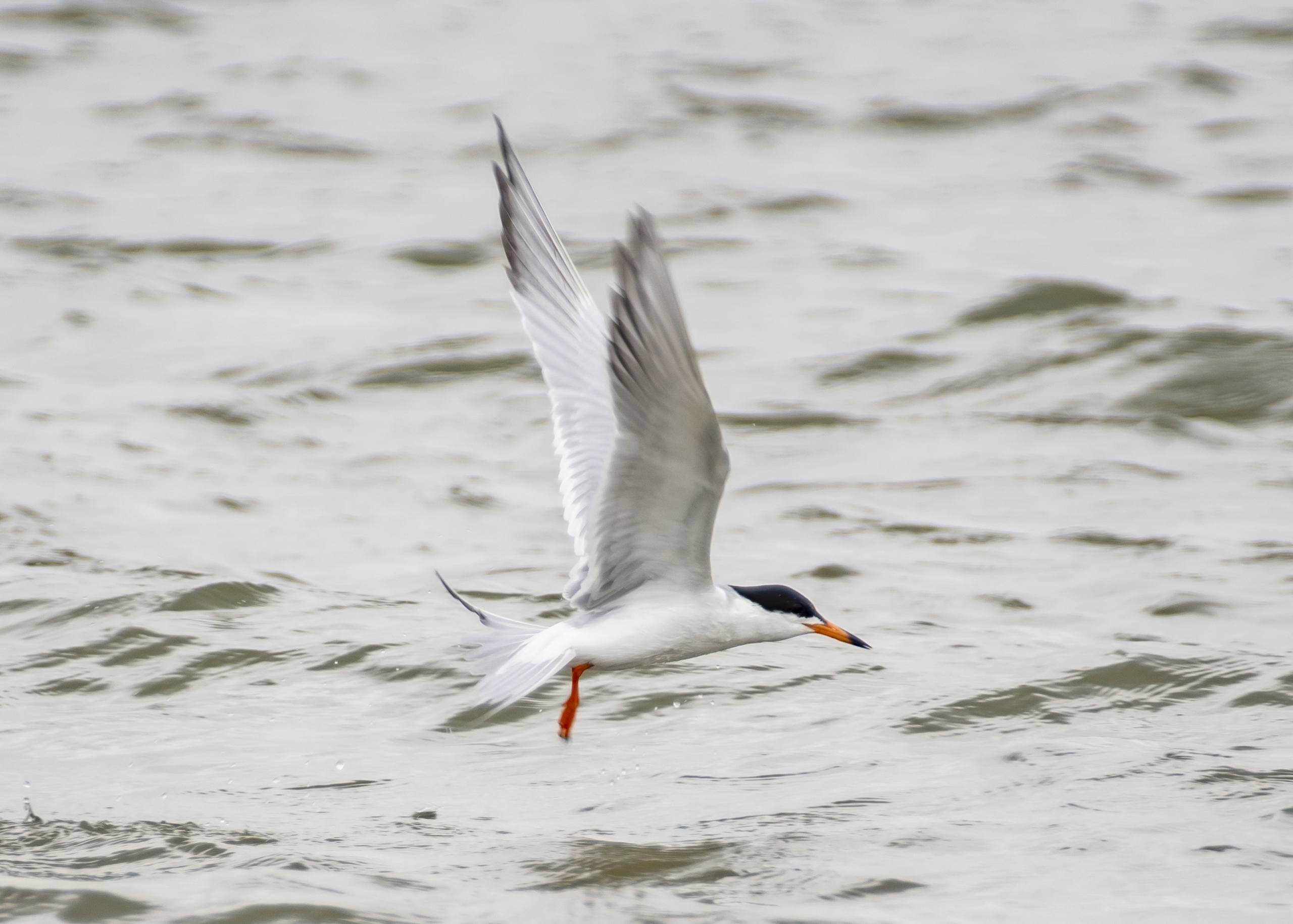
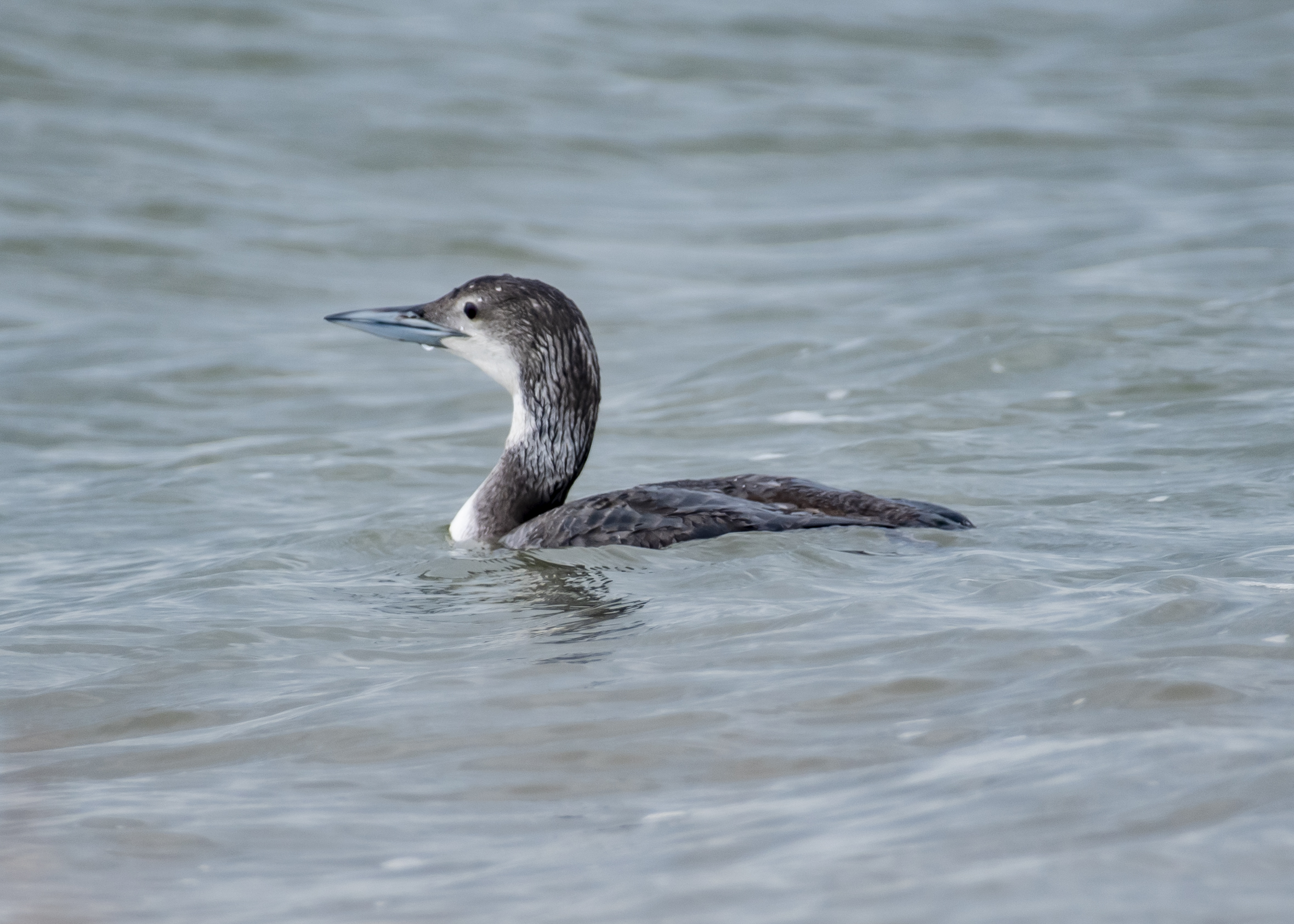
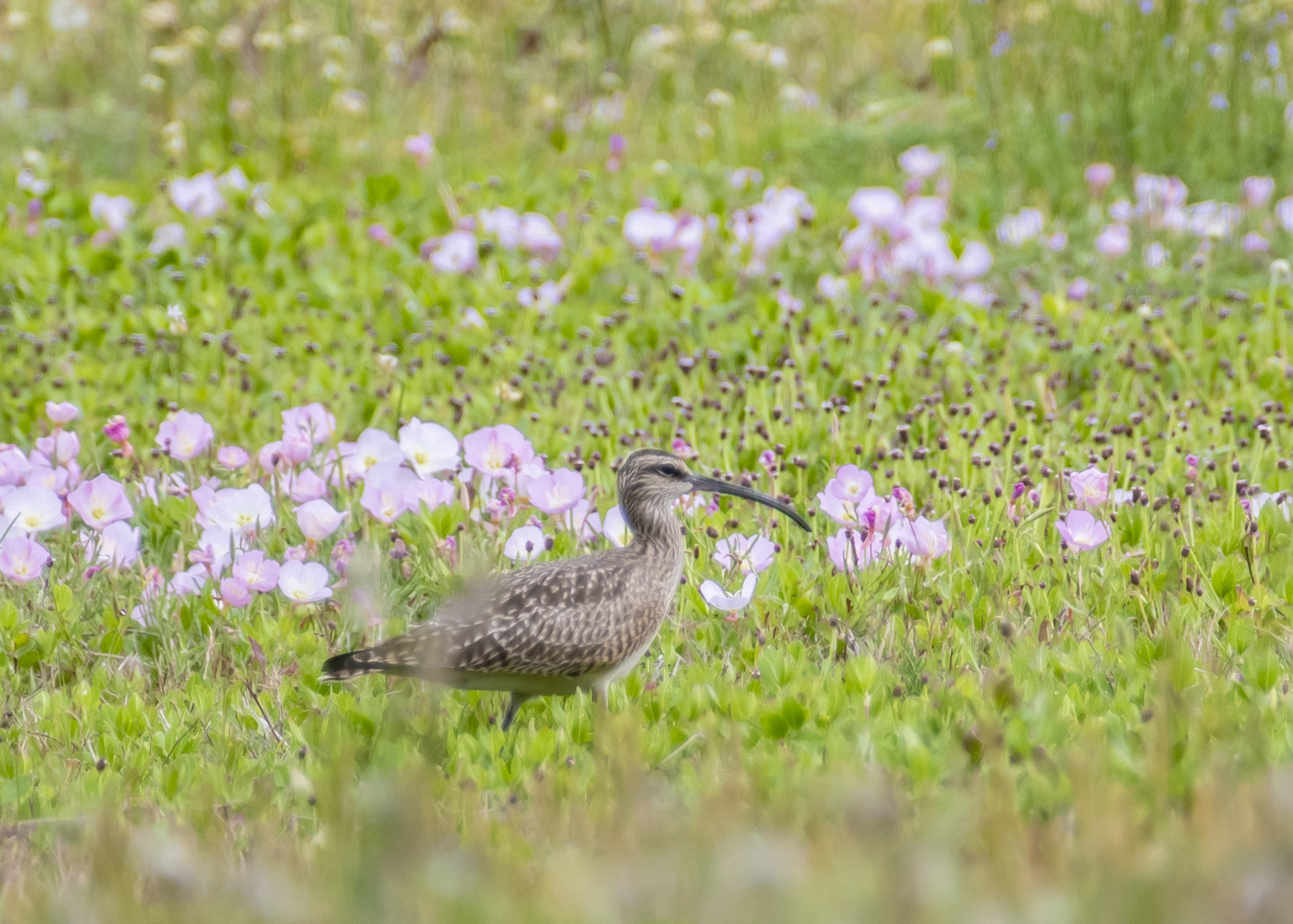
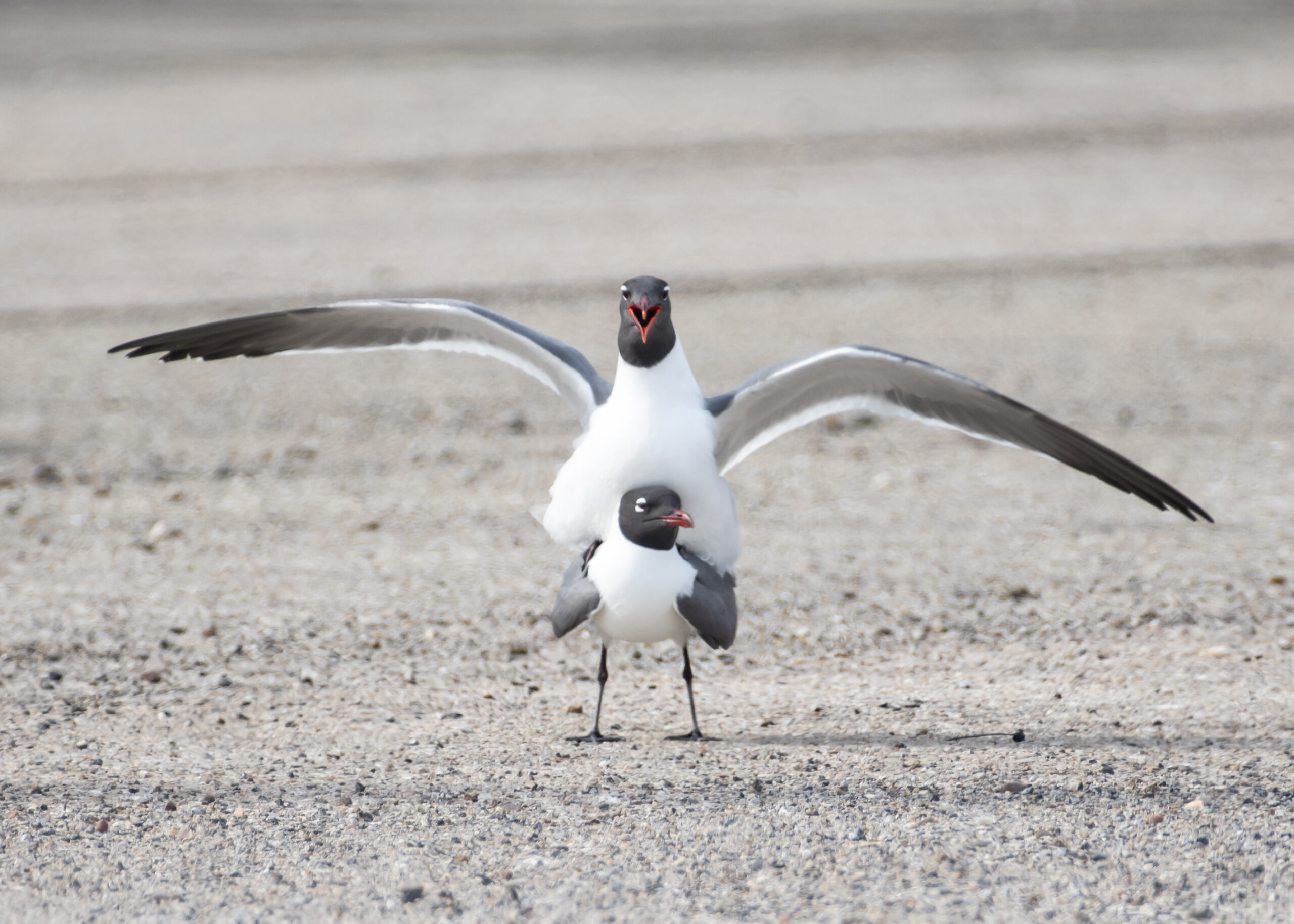
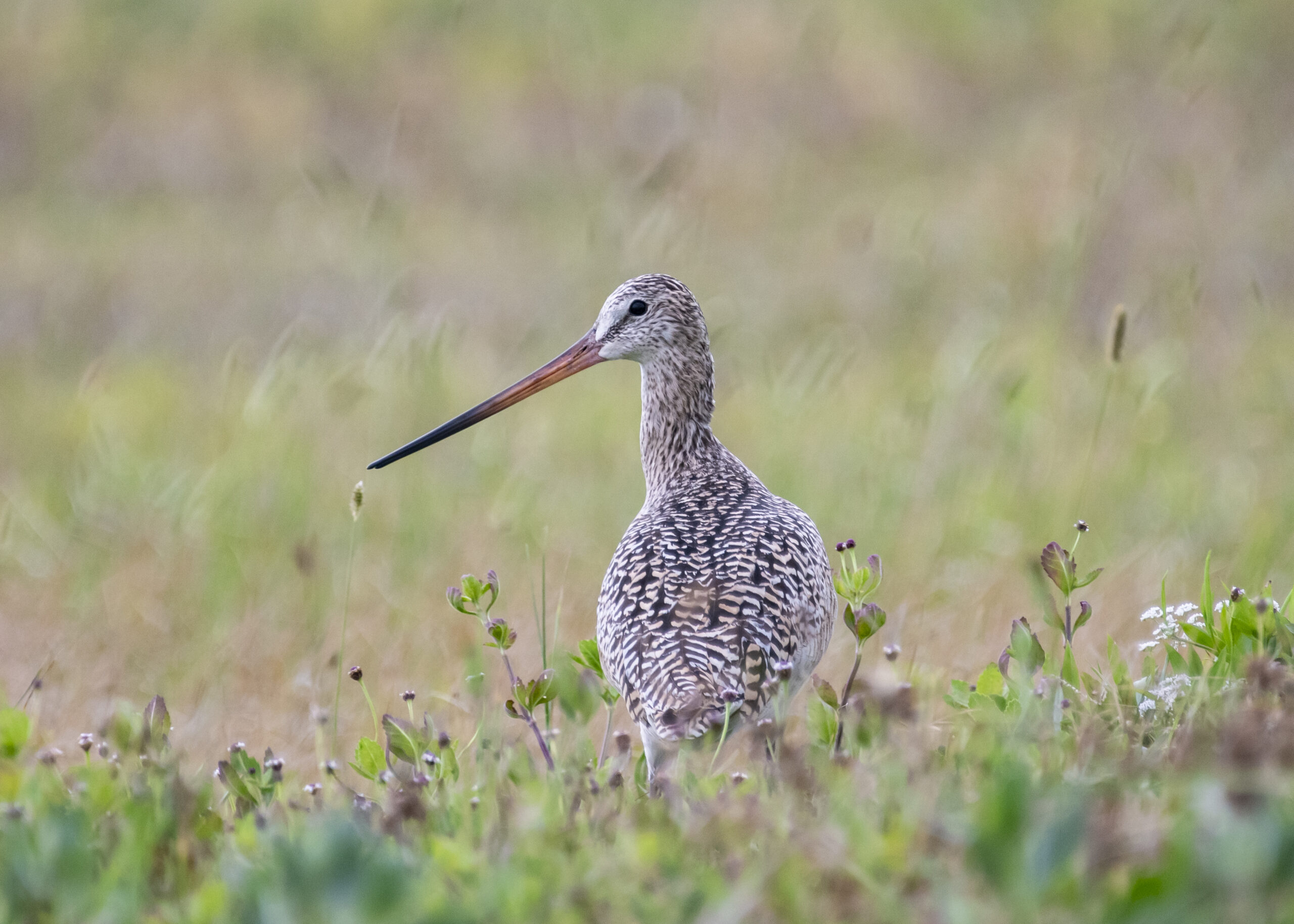
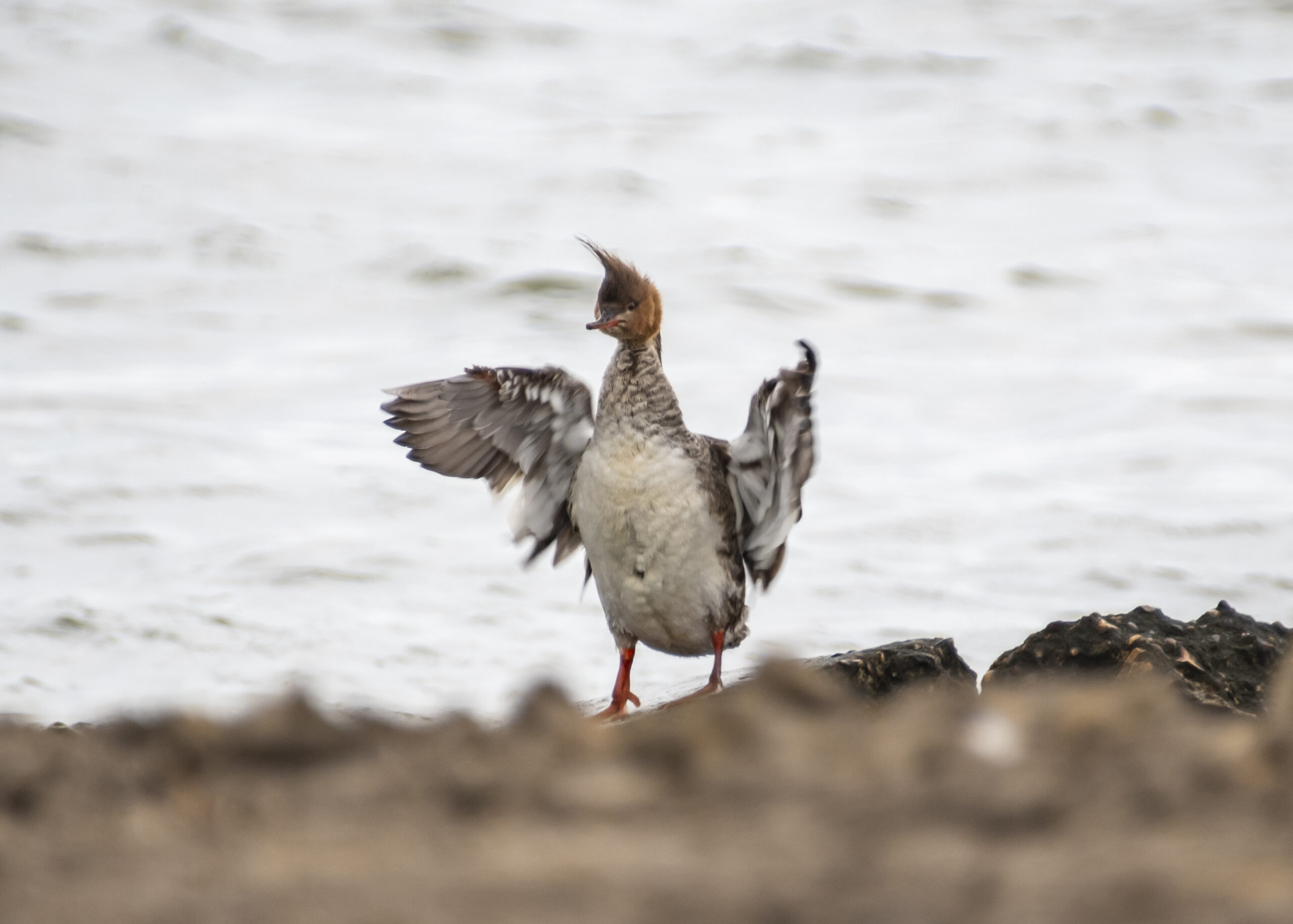
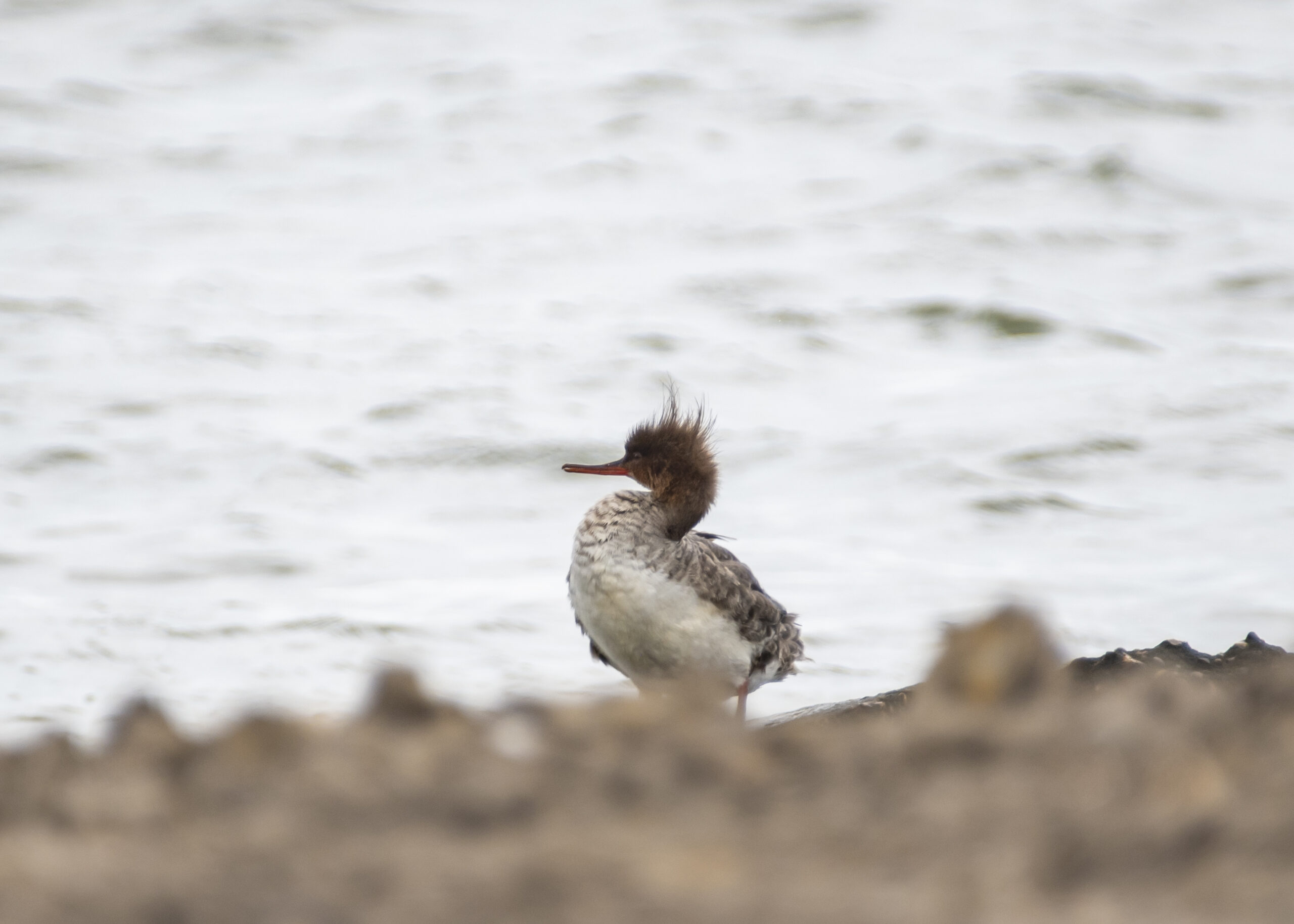
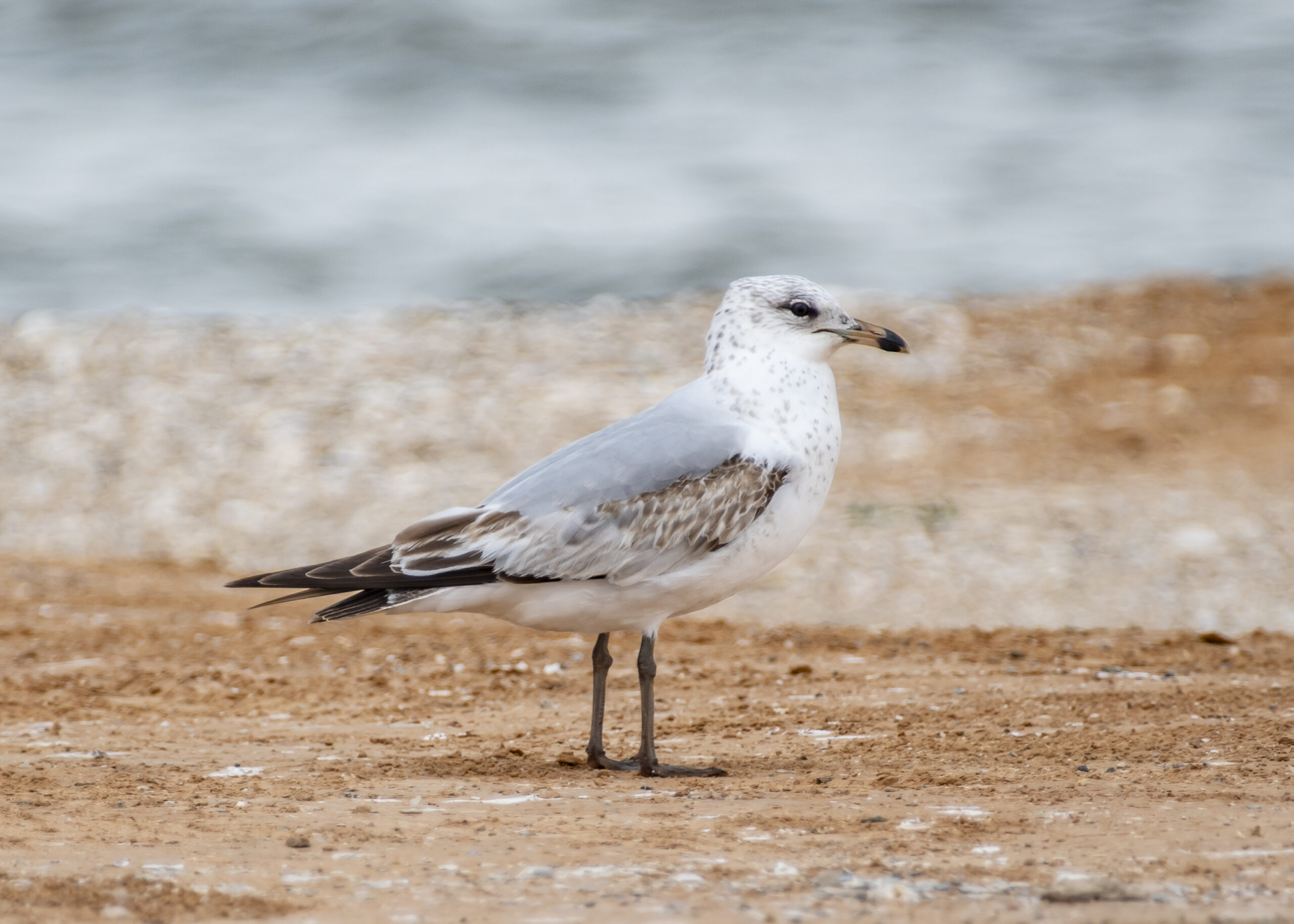
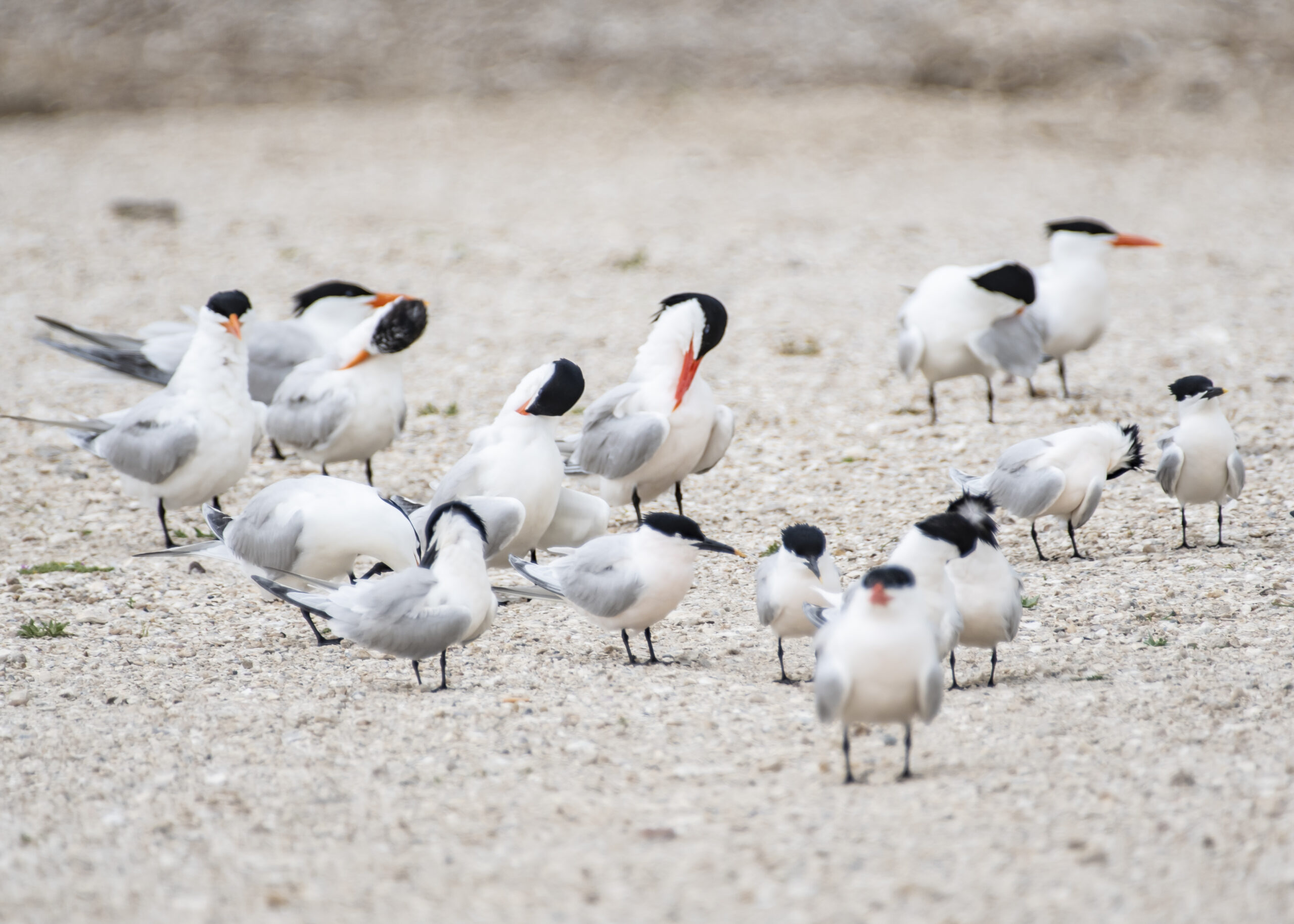
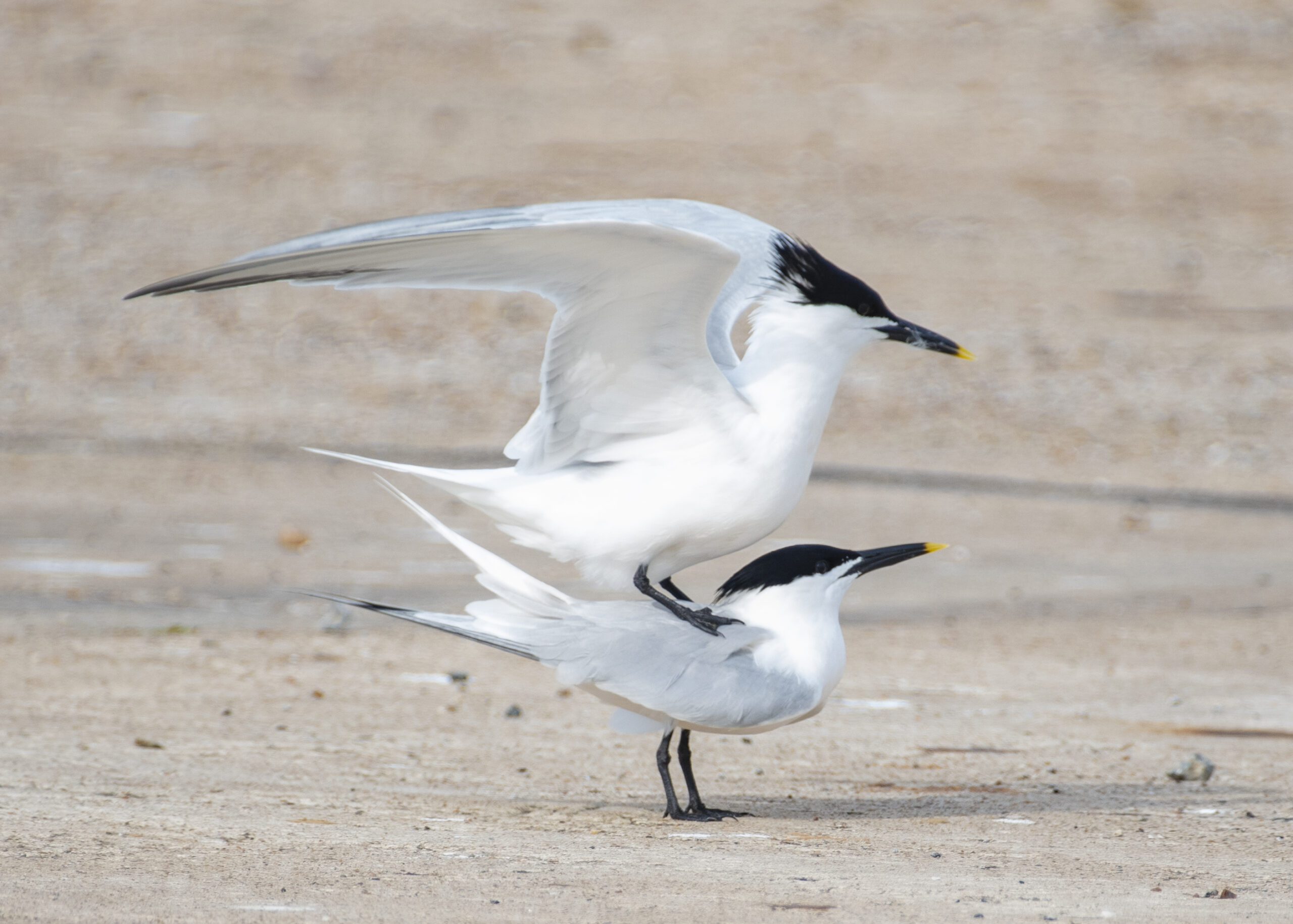
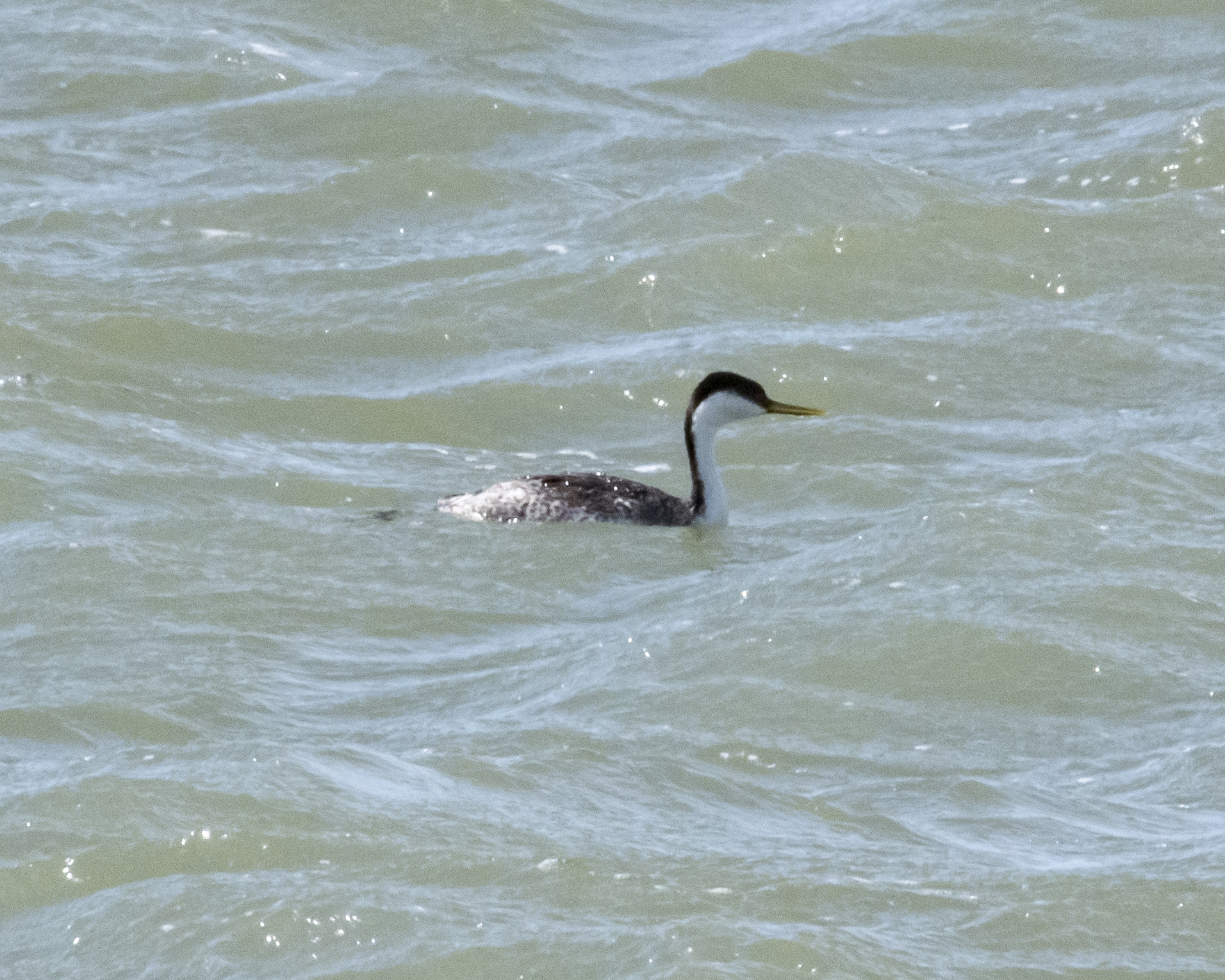
A single Black Skimmer amidst a flock of Royal ternsA pair of Black Skimmers doing the skimming thingA Brown Pelican perching on a postA Forster’s Tern flying over the water as it huntsA Common Loon in non-breeding plumageThis Hudsonian Whimbrel was a pleasant surpriseSpring is breeding season for many birds, including Laughing GullsThis Marbled Godwit was another great sightingThis female Red-breasted Merganser was another unexpected surprise in that I’ve only ever seen them in the water at a distanceIt was also surprising that this female Red-breasted Merganser was by herself instead of in a flock of other ducksA young Ring-Billed Gull, between its first and second winters (I think – gull life stage IDs are tricky)A mixed flock of Royal (larger, with orange bills) and Sandwich (smaller with black bills tipped in yellow and rosy breast) ternsA pair of Sandwich Terns – I’m not sure if this is a mating pose or not, but it sure looks like they did it on purpose, doesn’t it?These two Sandwich Terns, however, actually were matingThis Western Grebe was the find of the month back in March – a new bird for me and a rarity this far east
Lafitte’s Cove and Galveston Island, Texas
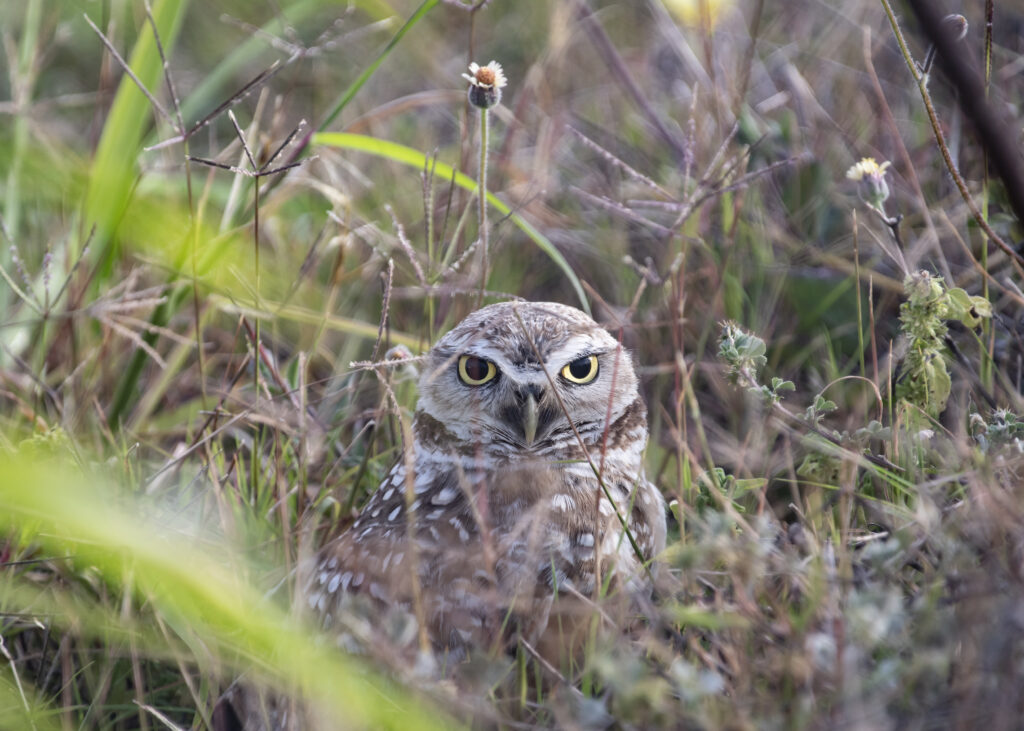
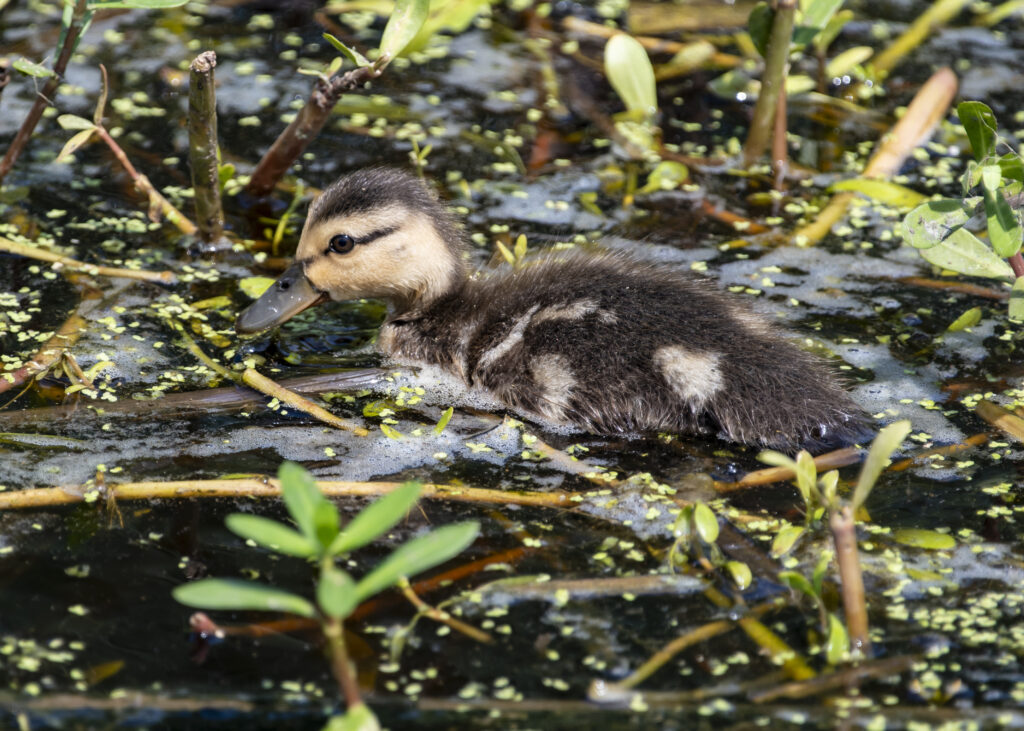
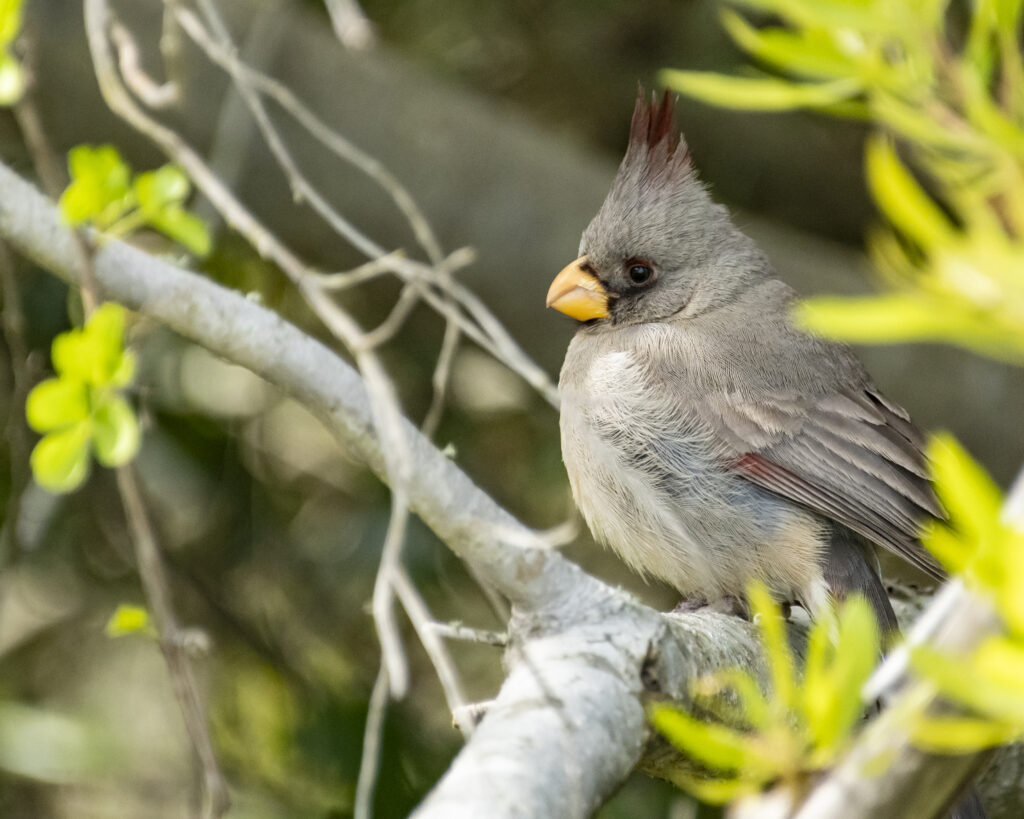
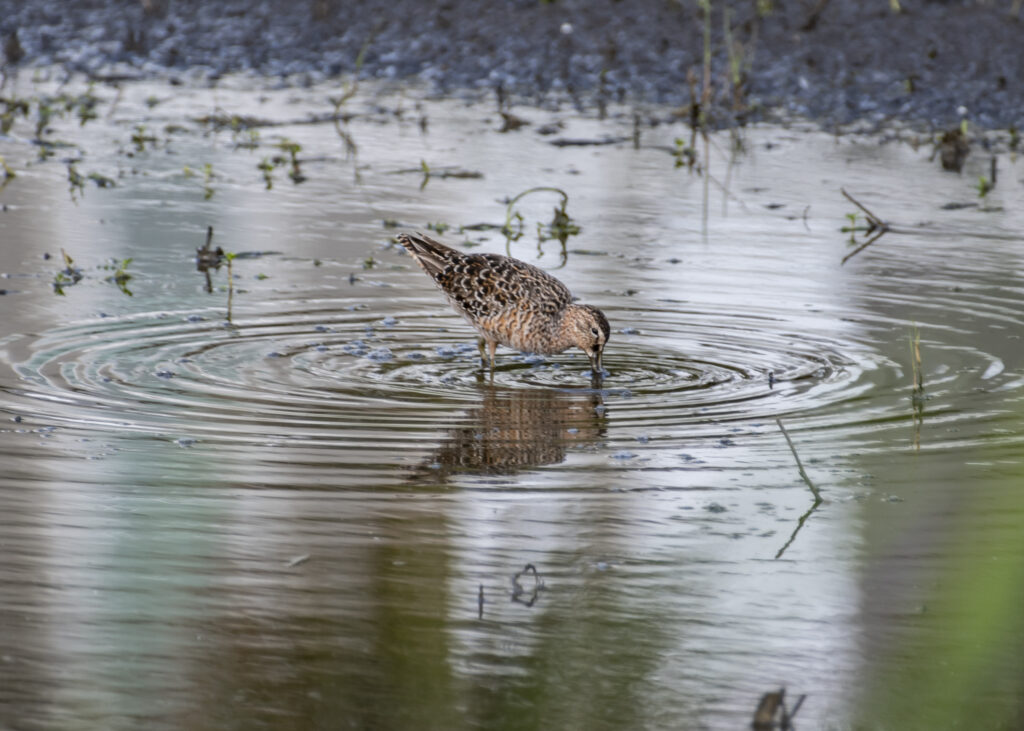
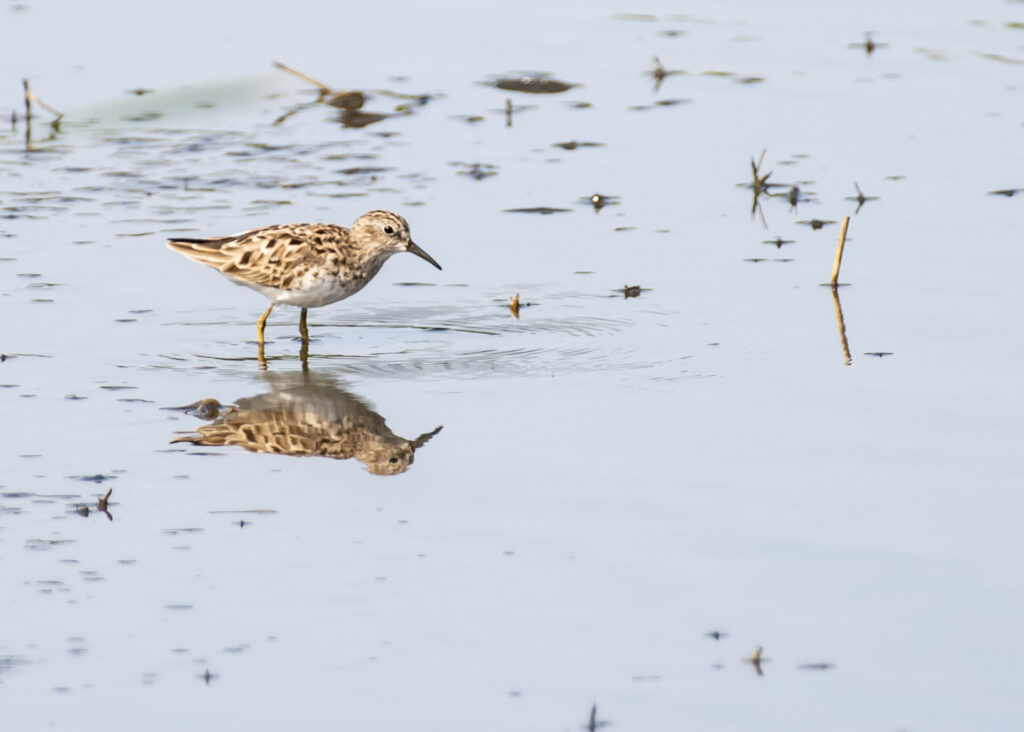
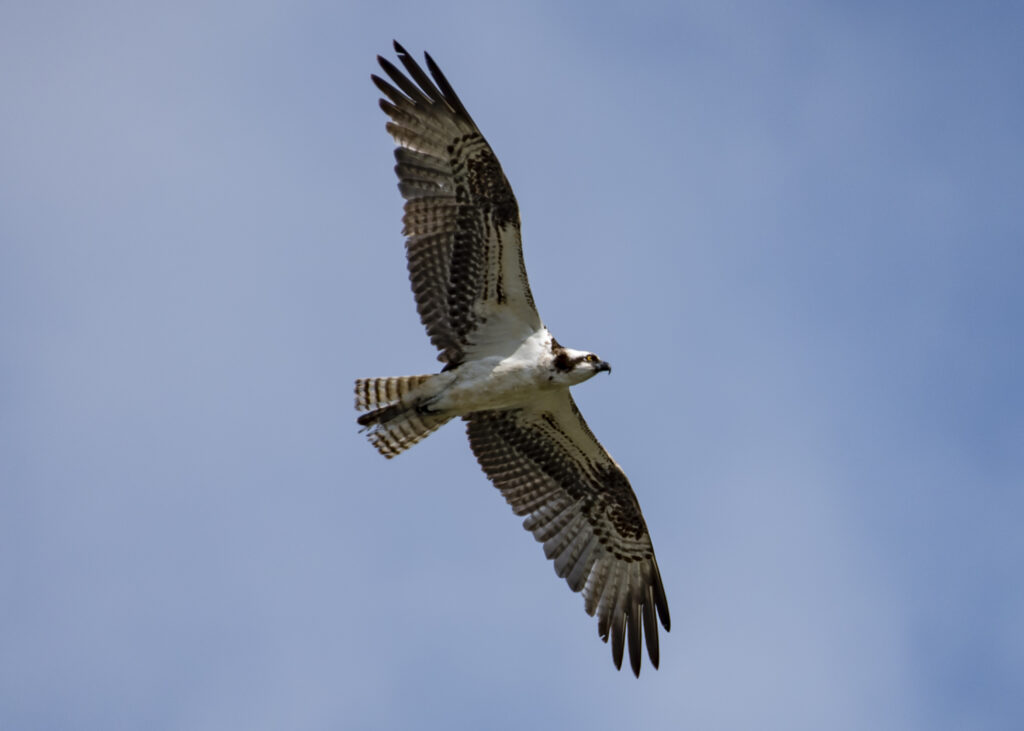
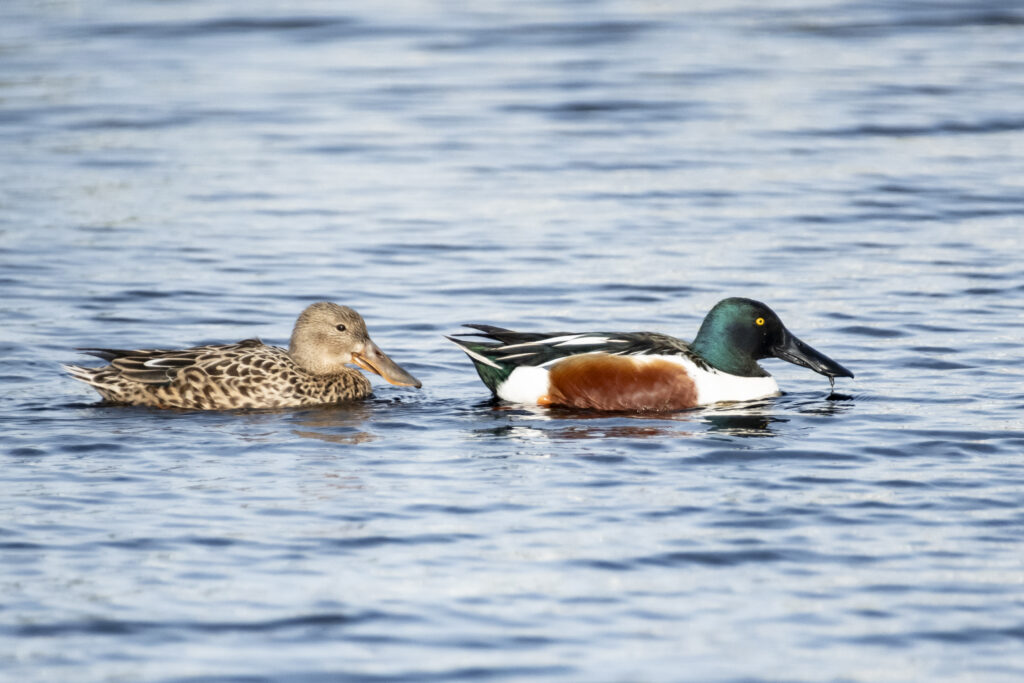
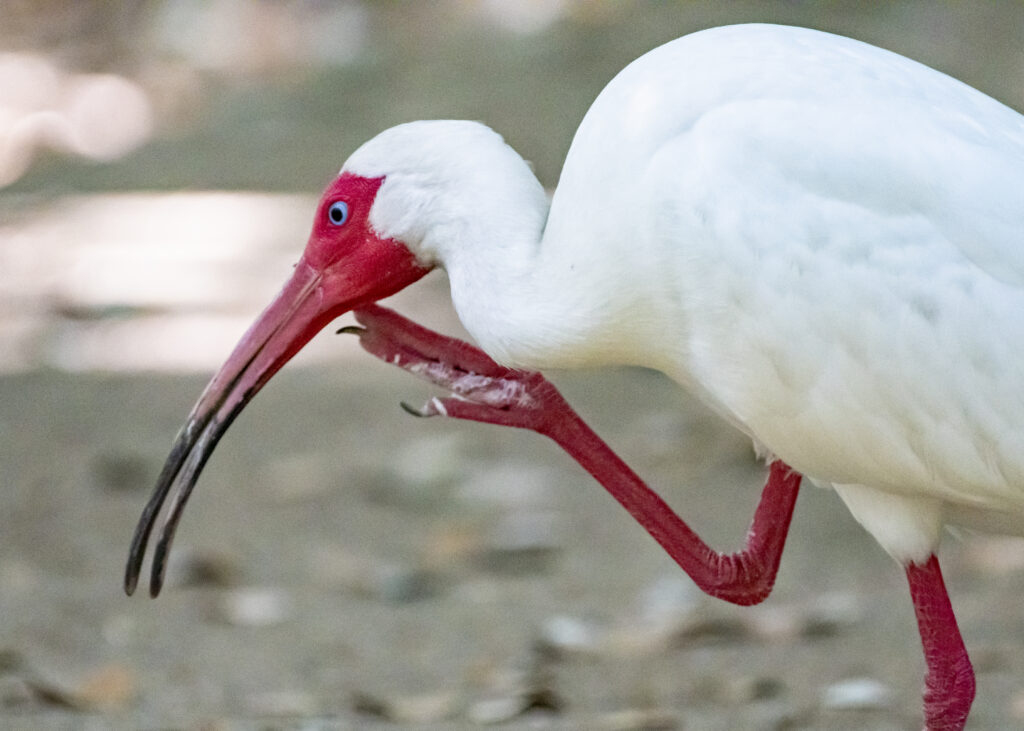
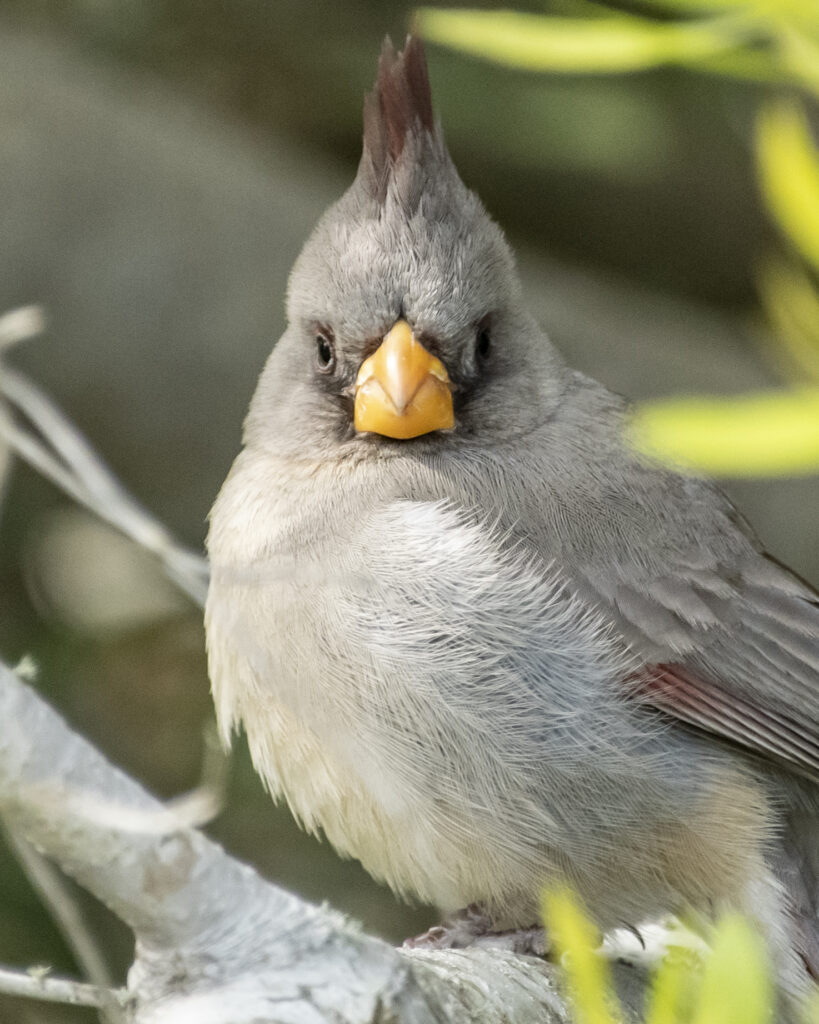
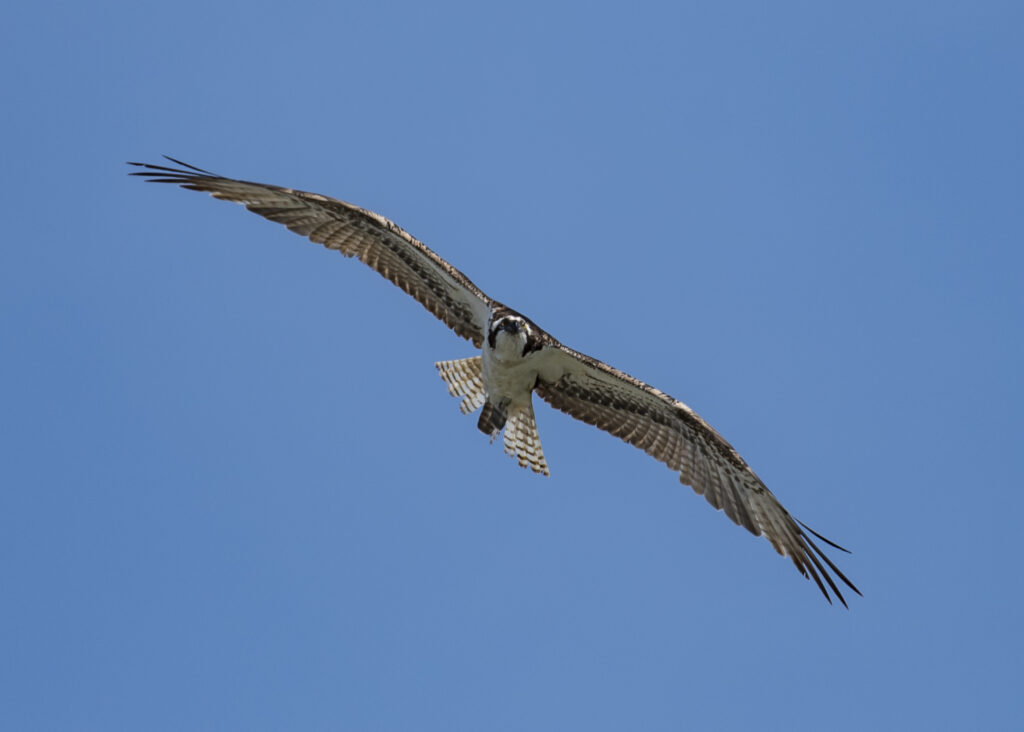
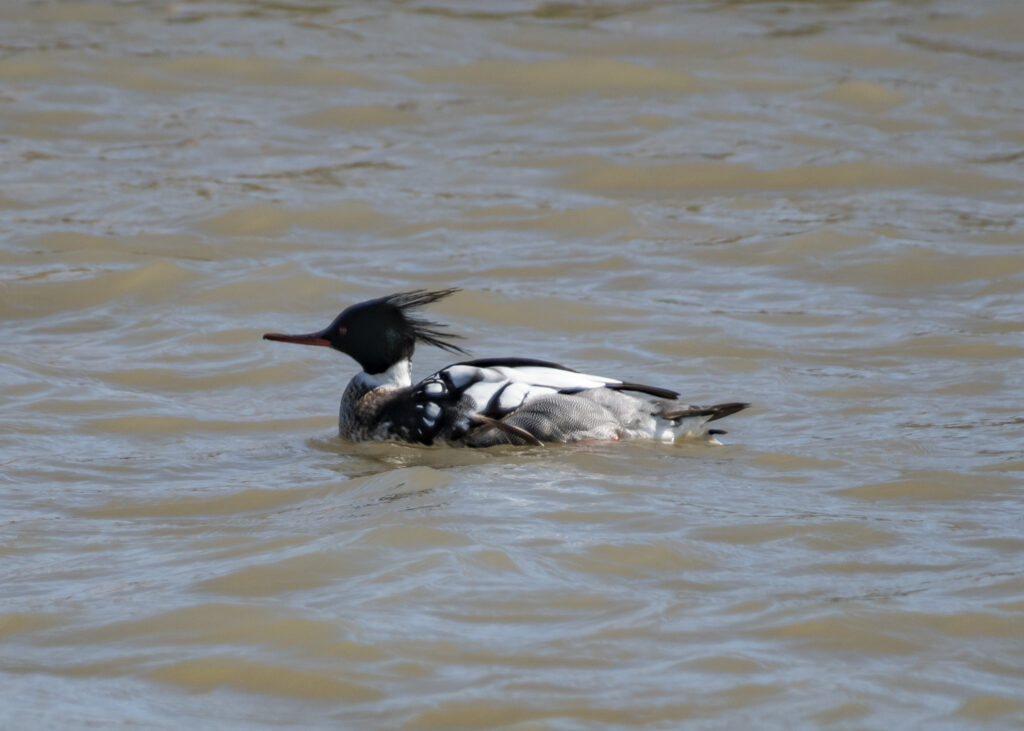
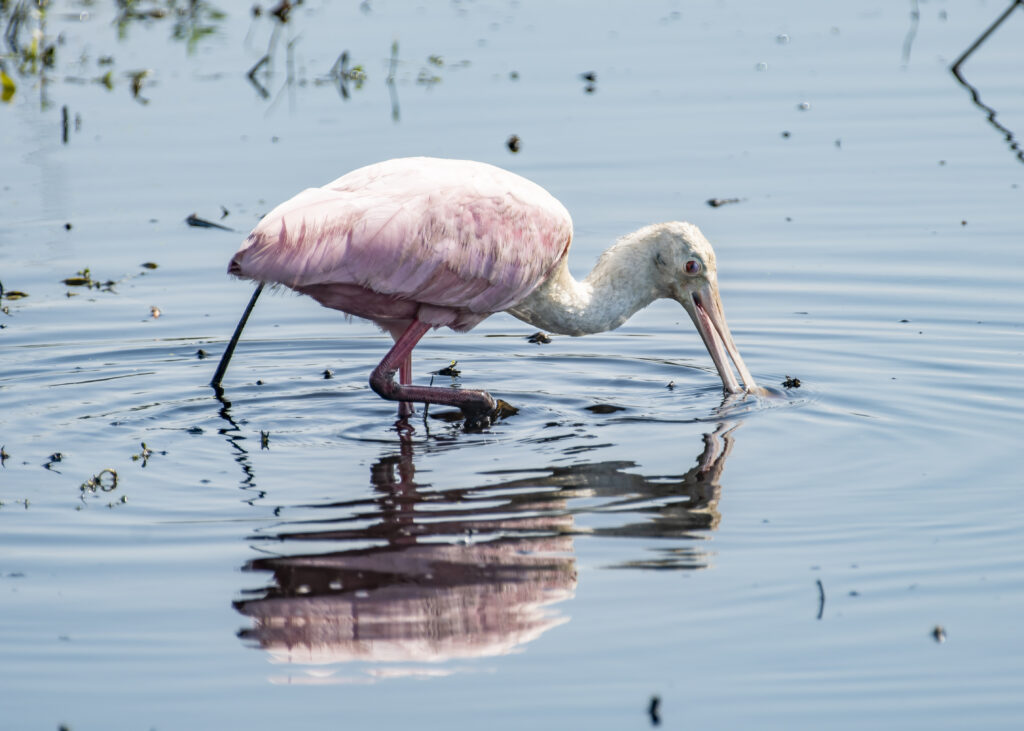
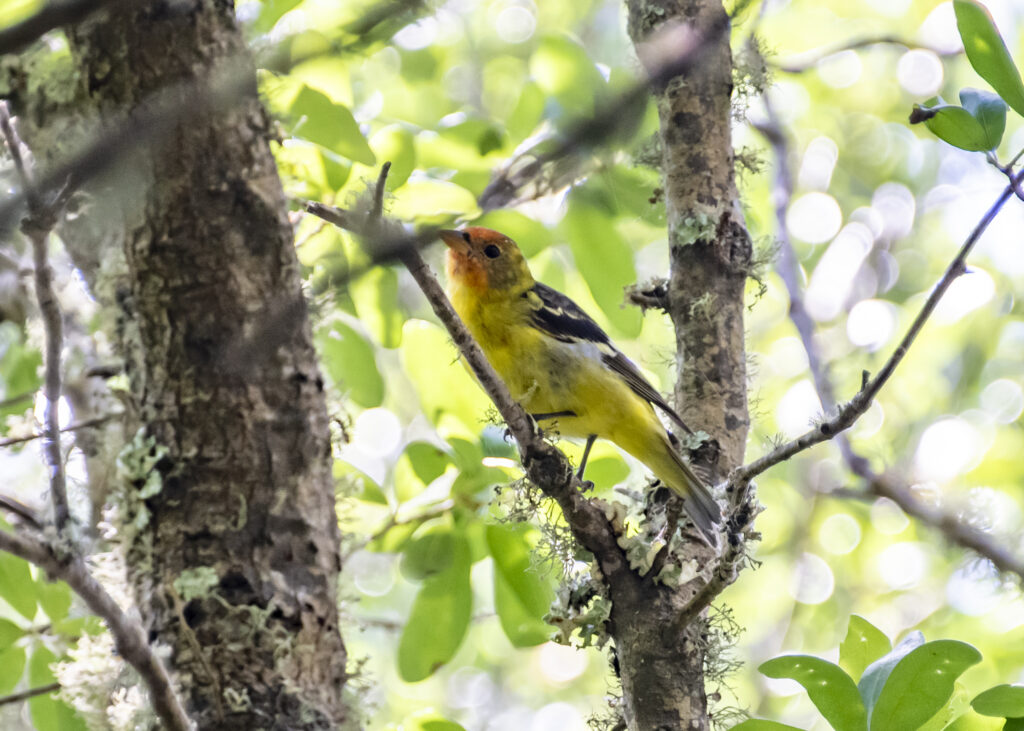
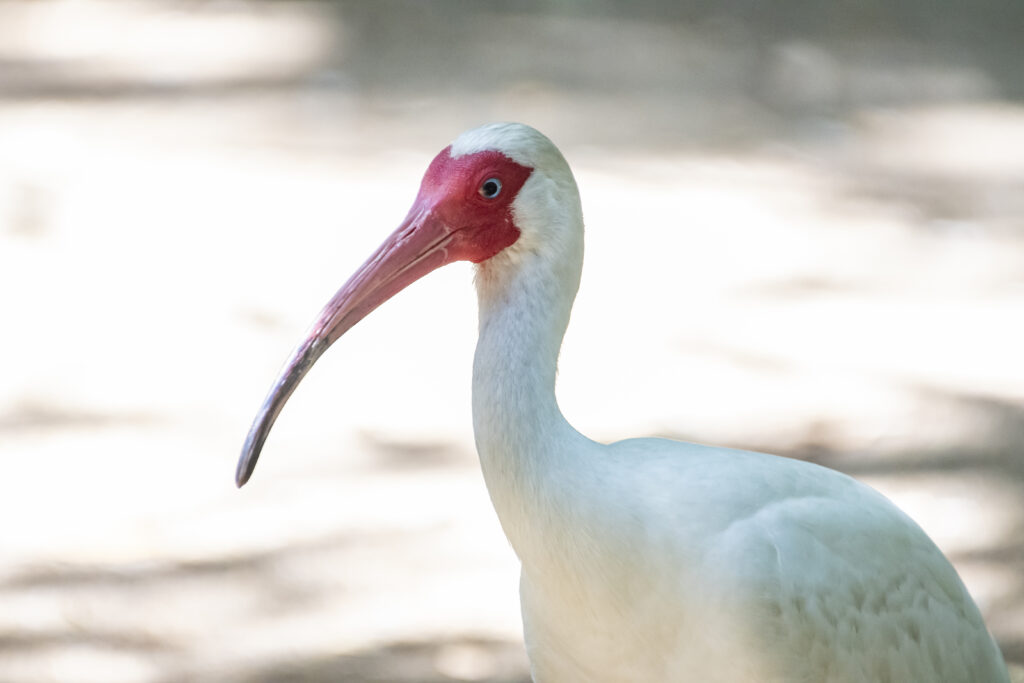
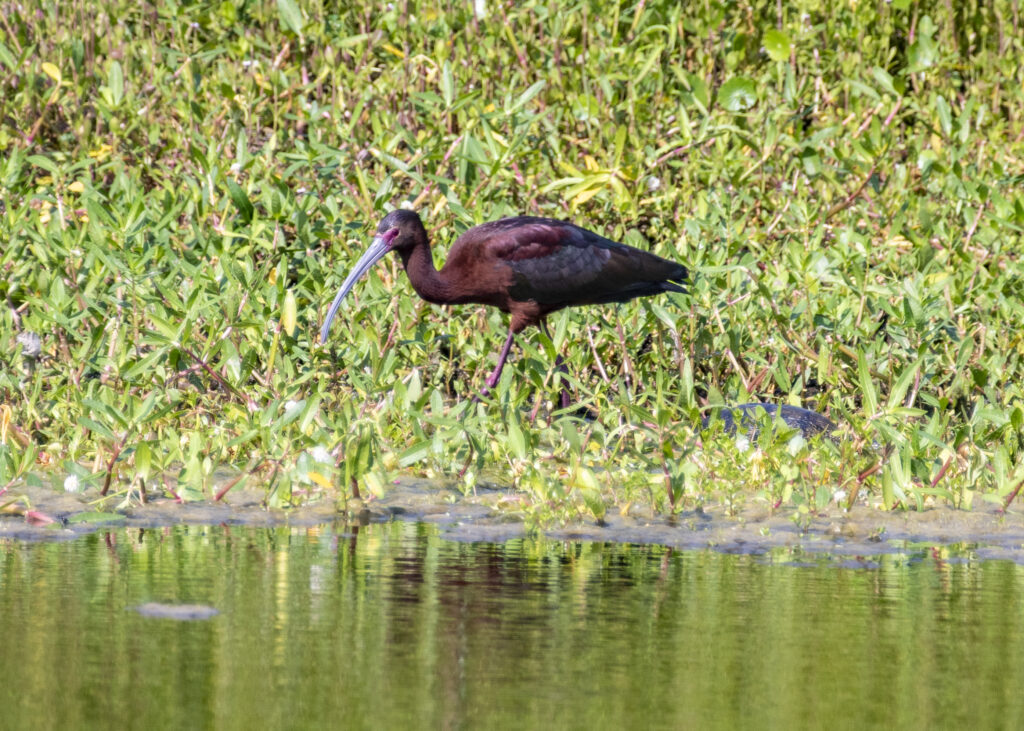
This Burrowing Owl was a fantastic find, and a new bird for me!A Black-bellied Whistling Duckling exploring in the safety of the vegetation in the shallowsThis female Pyrrhuloxia was also a fantastic find, as they’re rarely seen this far east or northA Long-Billed Dowitcher foraging in the shallowsThe water is shallow and still enough to reflect this Least Sandpiper like a mirrorAn Osprey flies overhead, scanning the waterways for a potential mealA pair of Northern Shoveler ducks – like many birds, the males are more colorfulA White Ibis pauses on the path for a quick scratchClose-up of the PyrrhuloxiaOsprey are pretty easy to find in Galveston, especially in the winter and springA Male Red-Breasted Merganser, seen from the Bolivar FerryThis juvenile Roseate Spoonbill isn’t as brightly colored or bald-headed as an adult would beThis Western Tanager was yet another exciting find, as they are rarely seen this far east even during migration seasonUnusual among other wading birds, ibises like this White Ibis sometimes forage on dry landWhite-Faced Ibis usually forage along the edges of marshes and wetlands
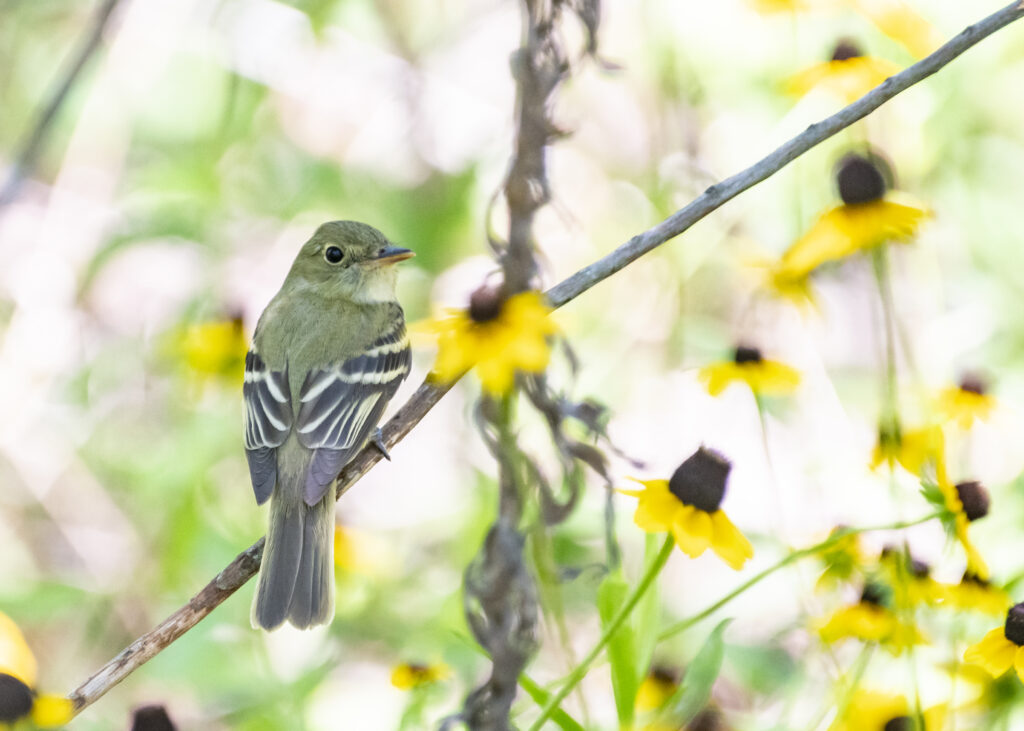
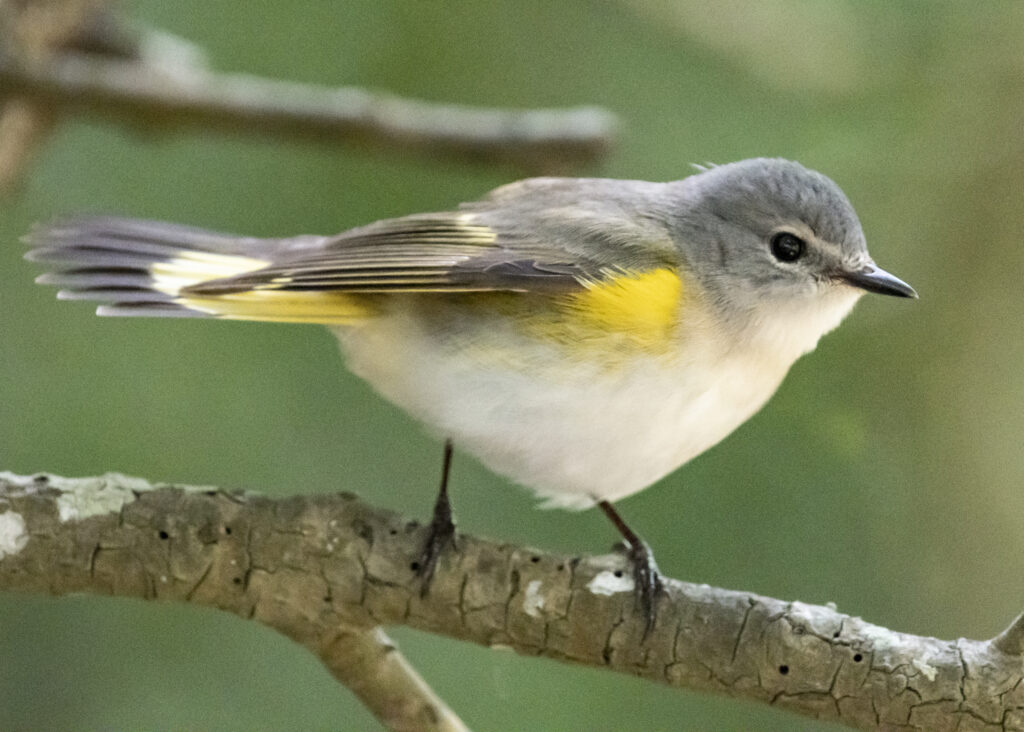
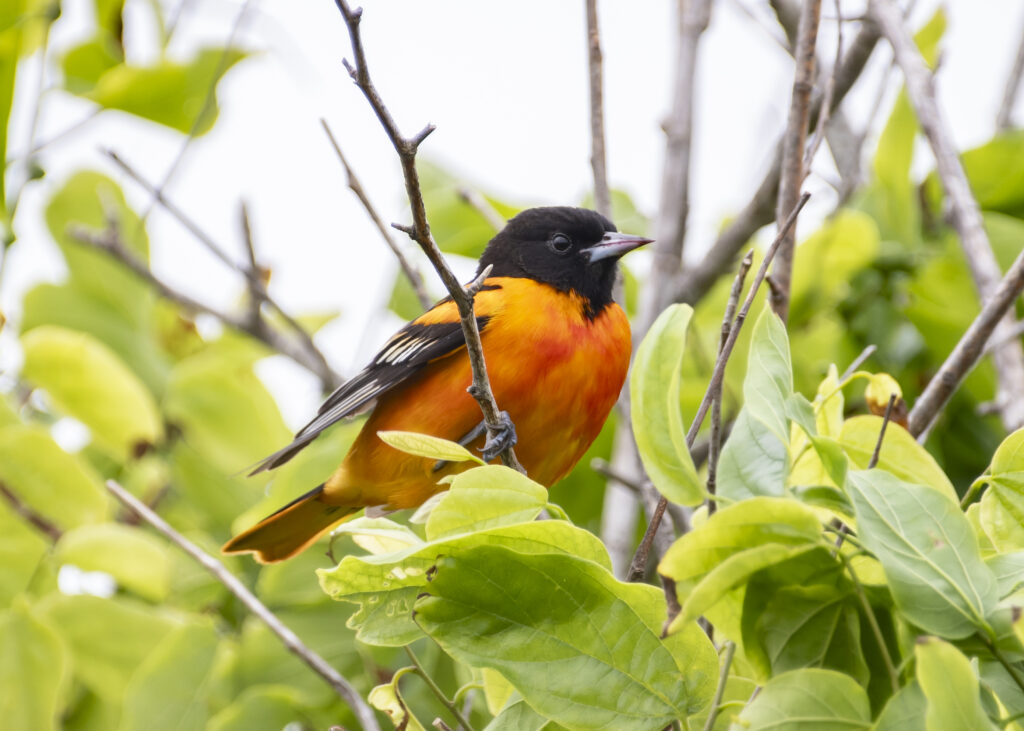
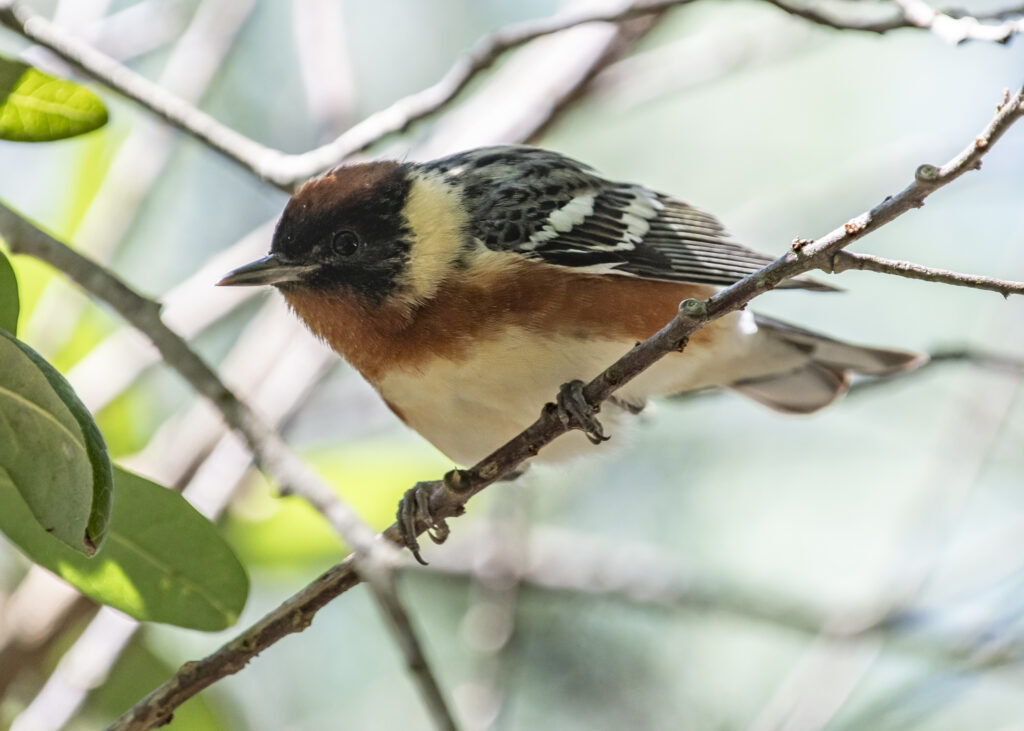
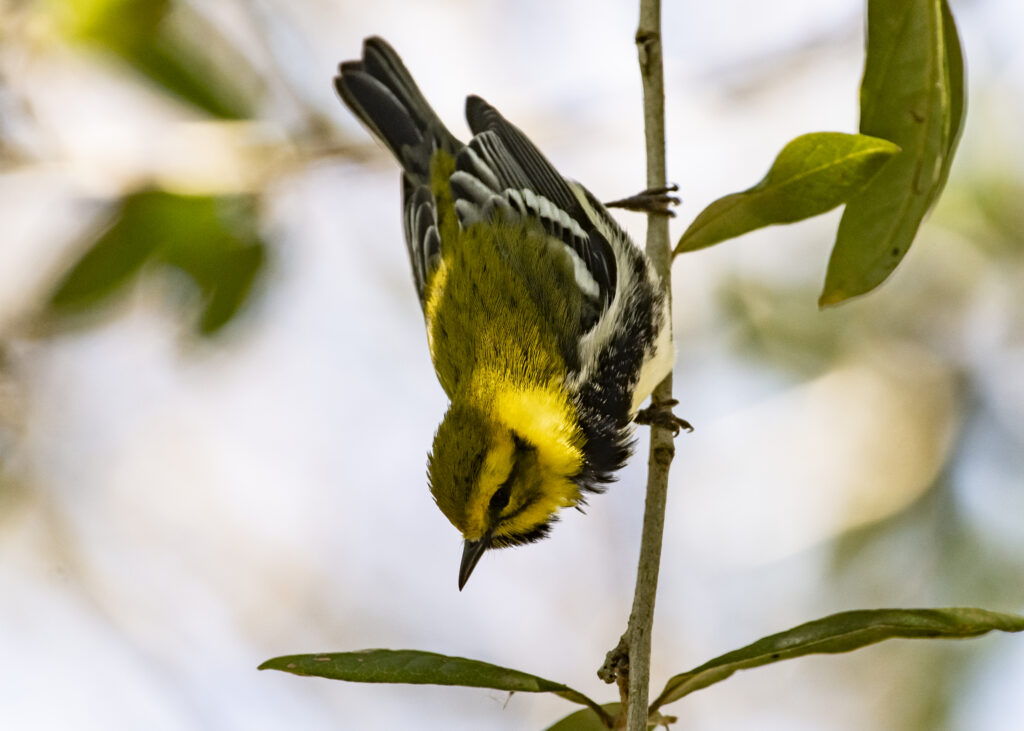
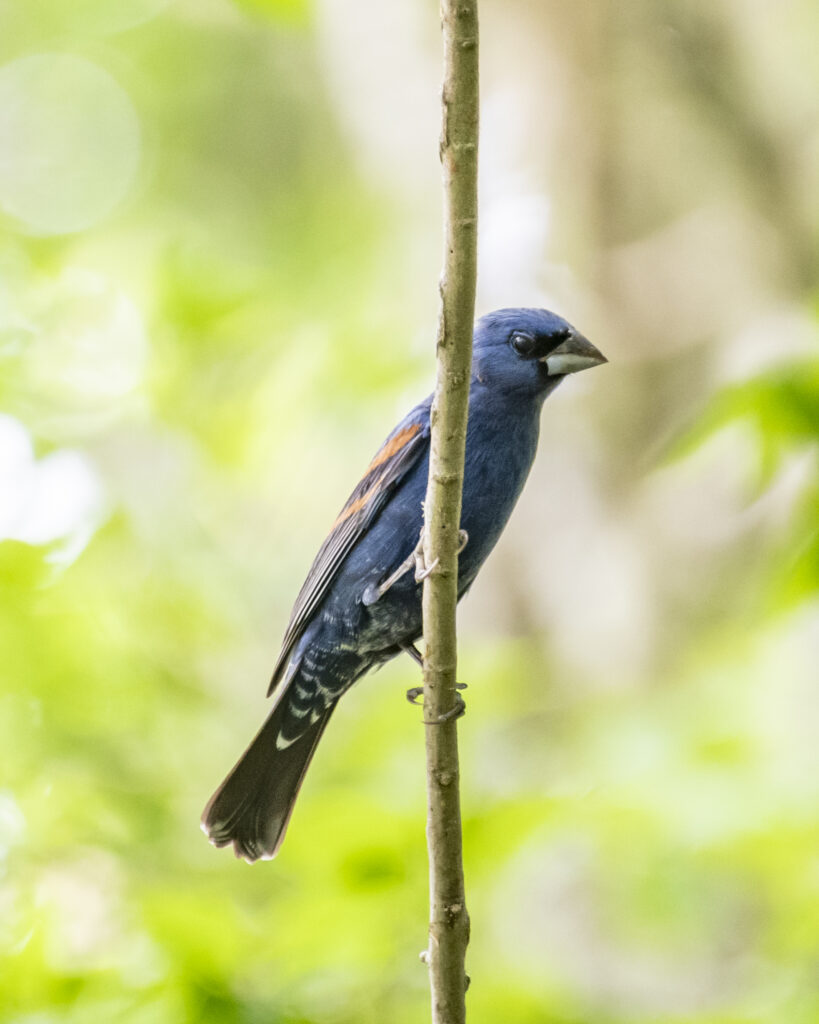
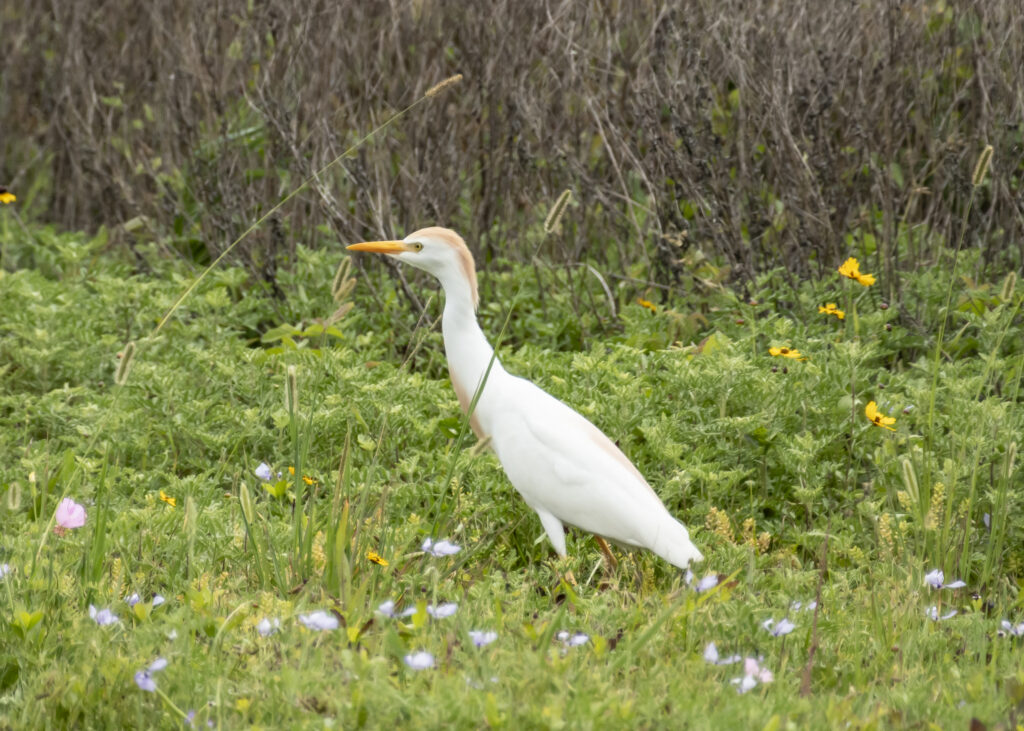
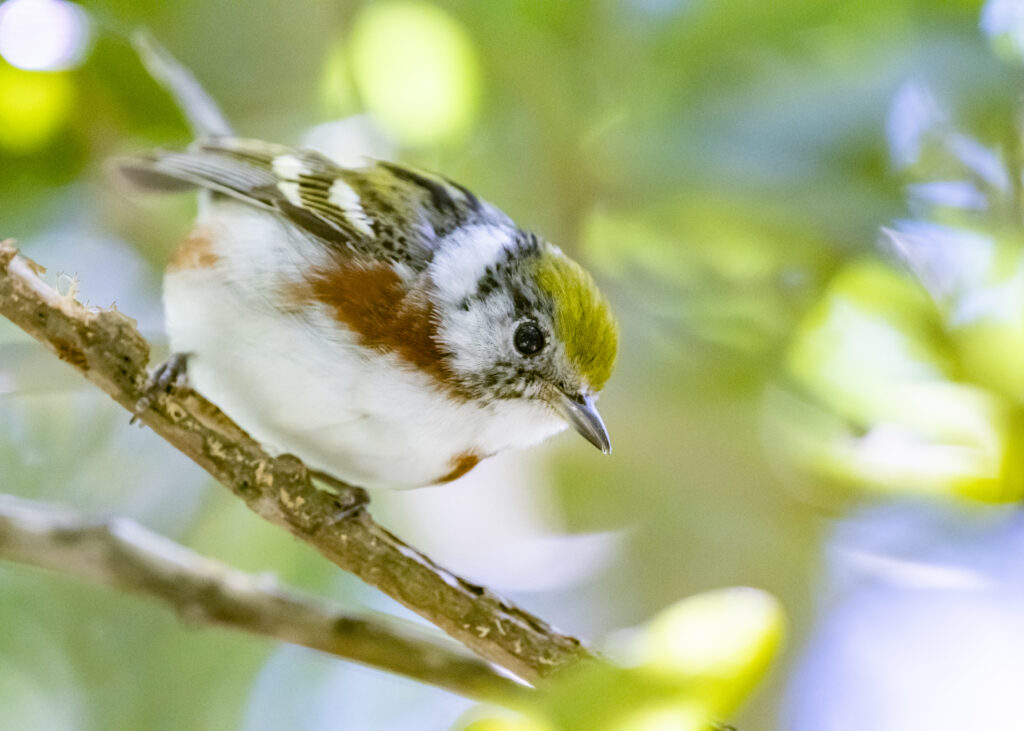
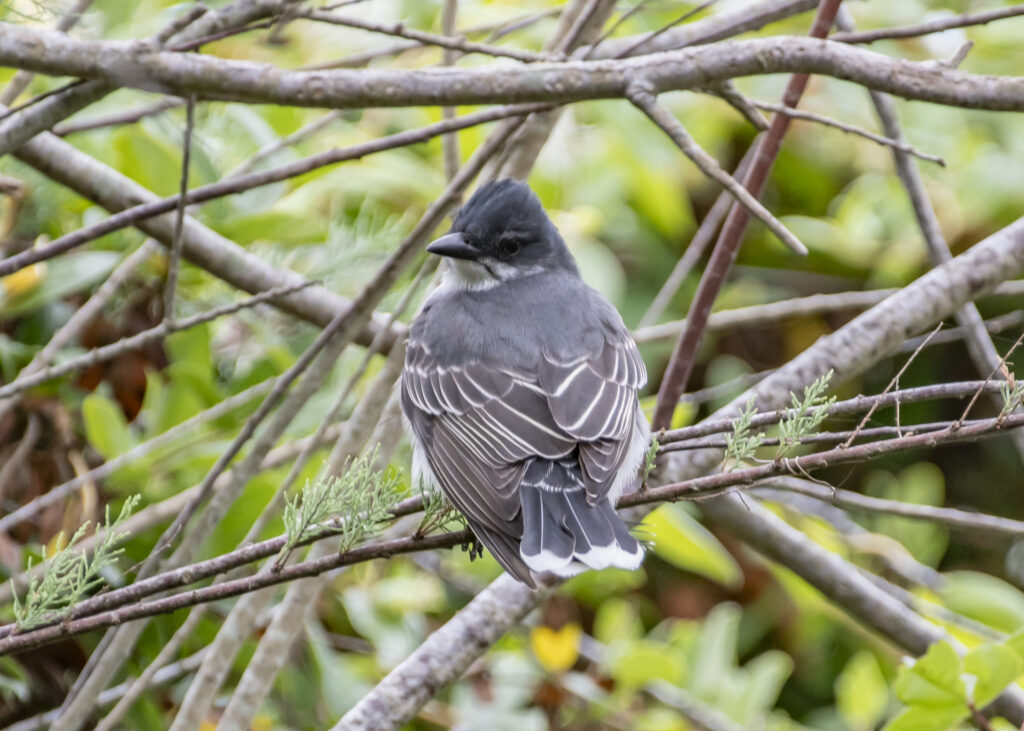
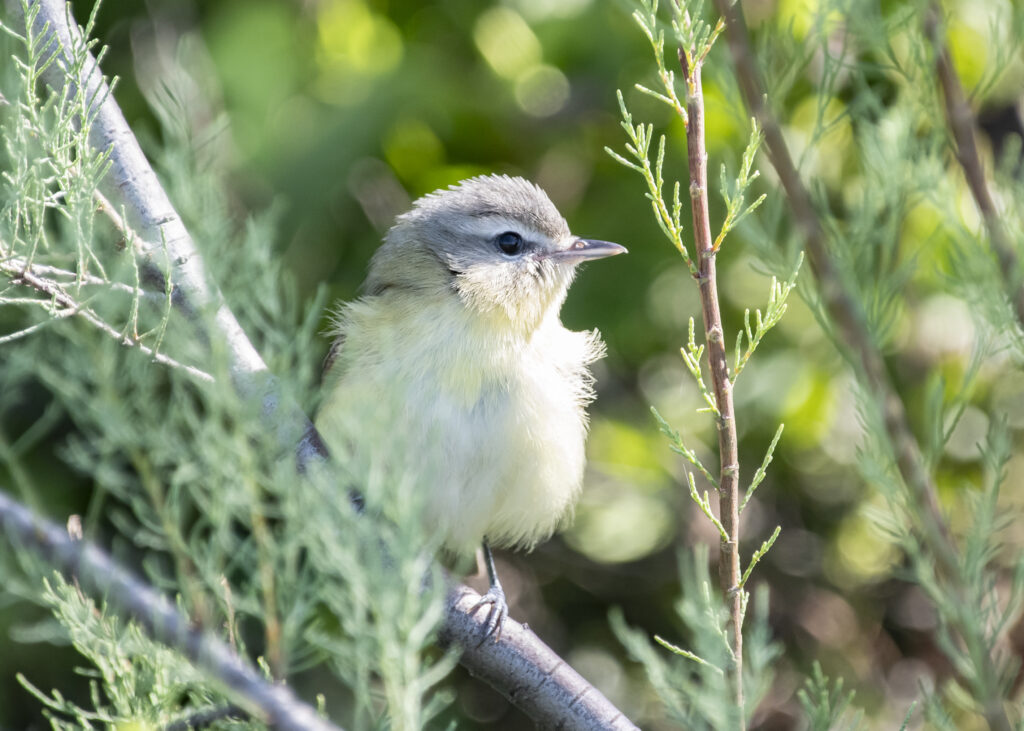
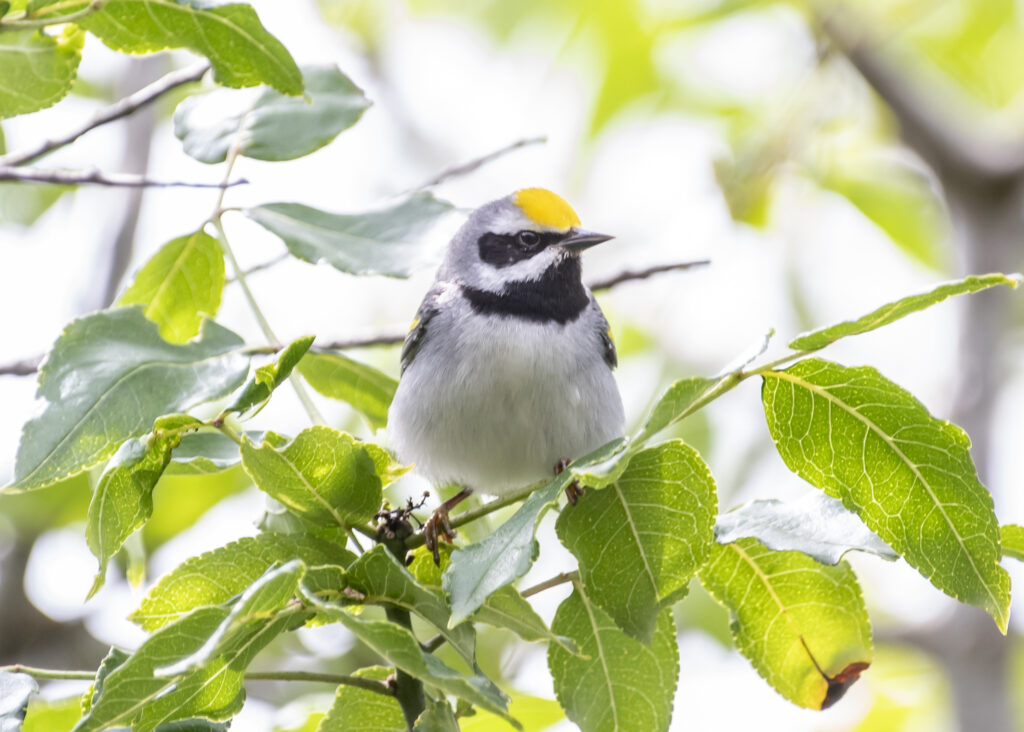
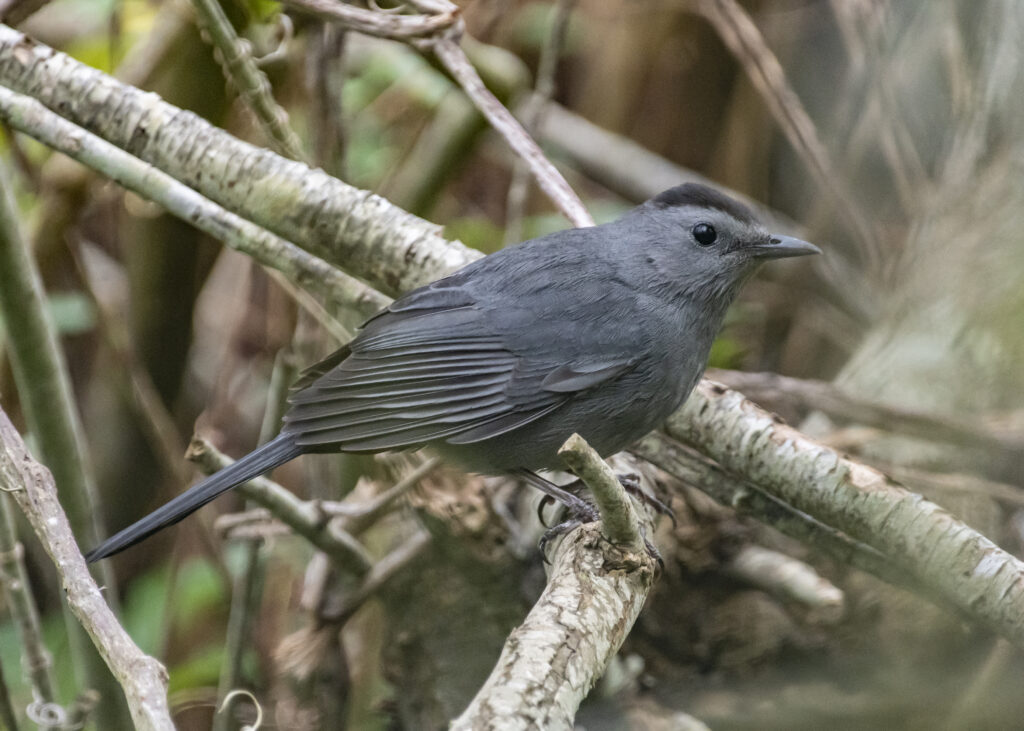
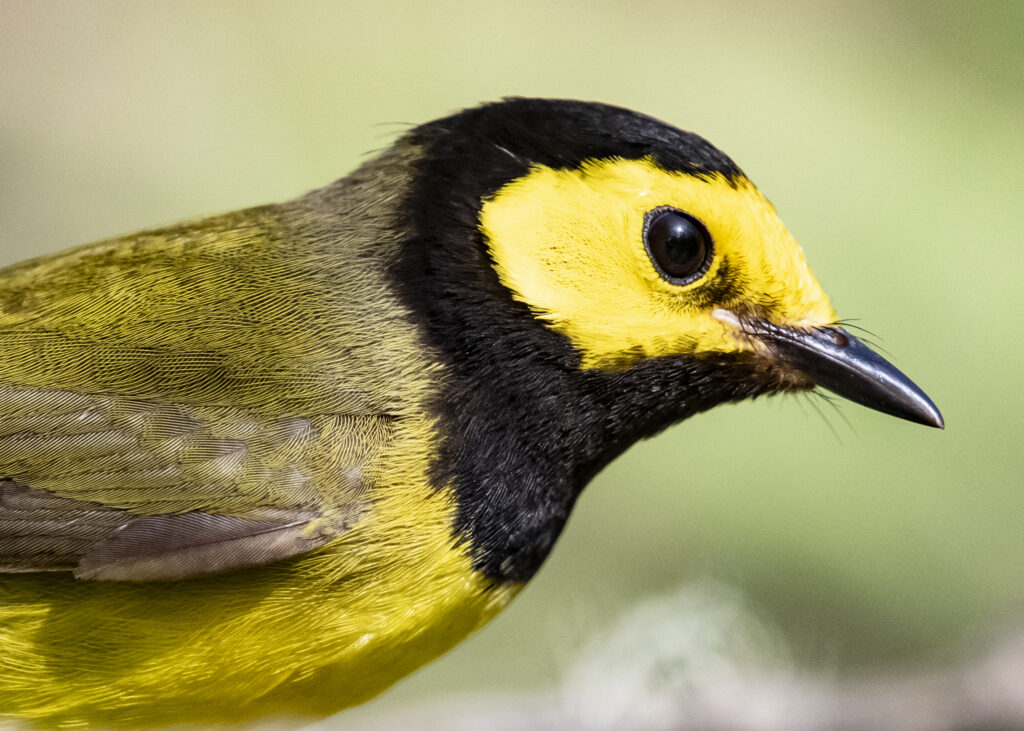
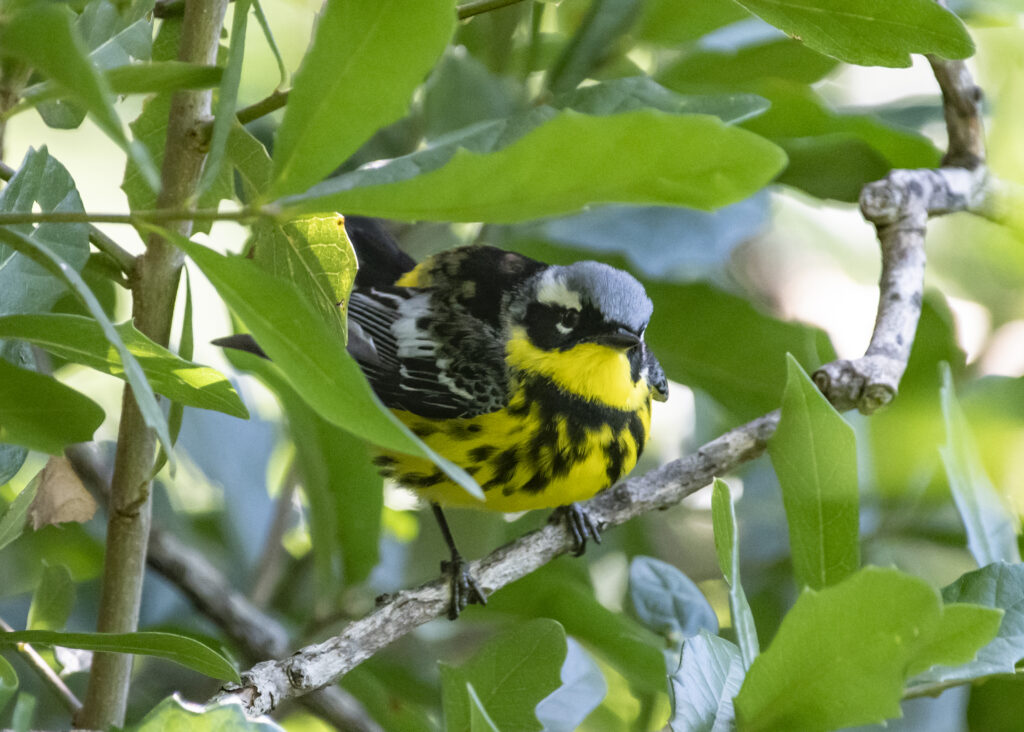
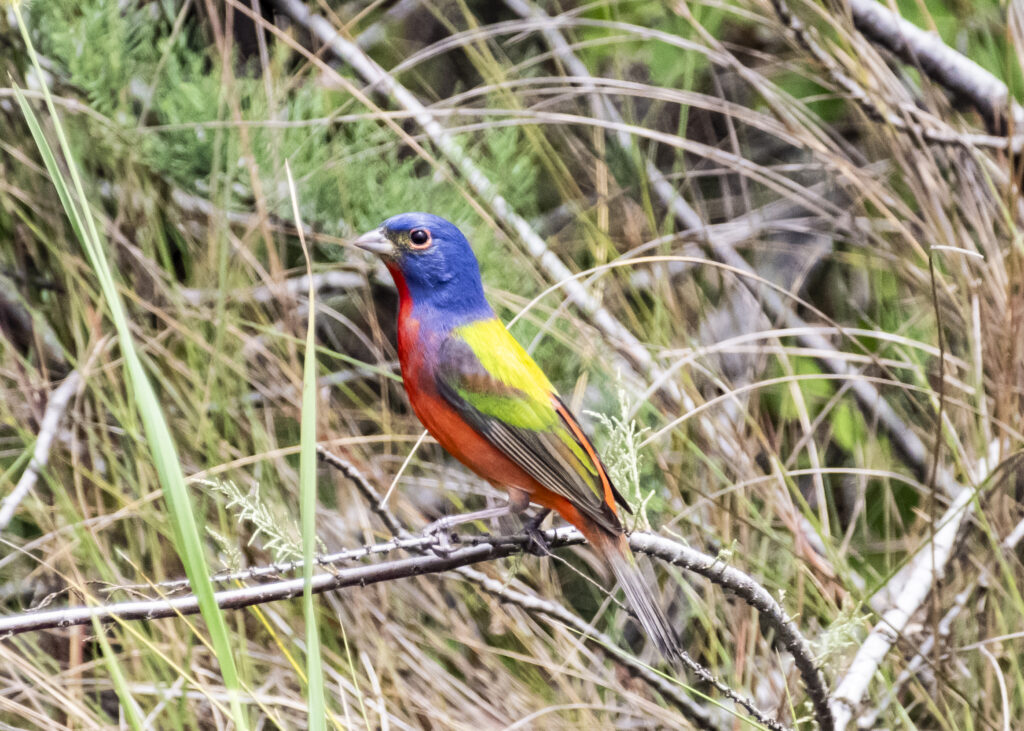
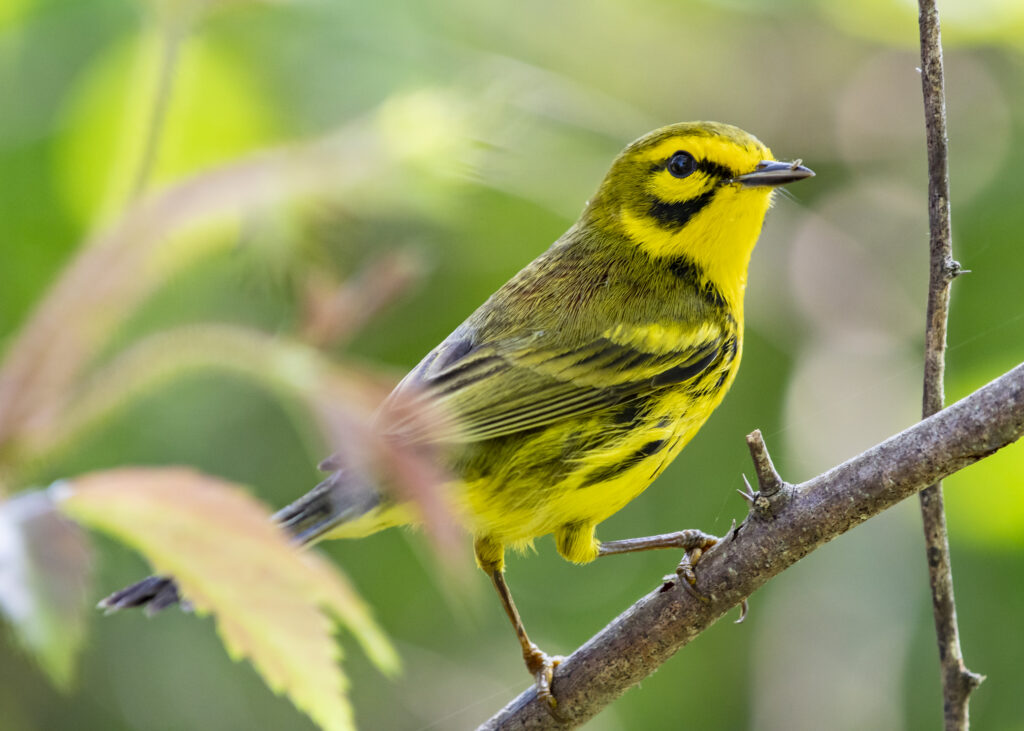
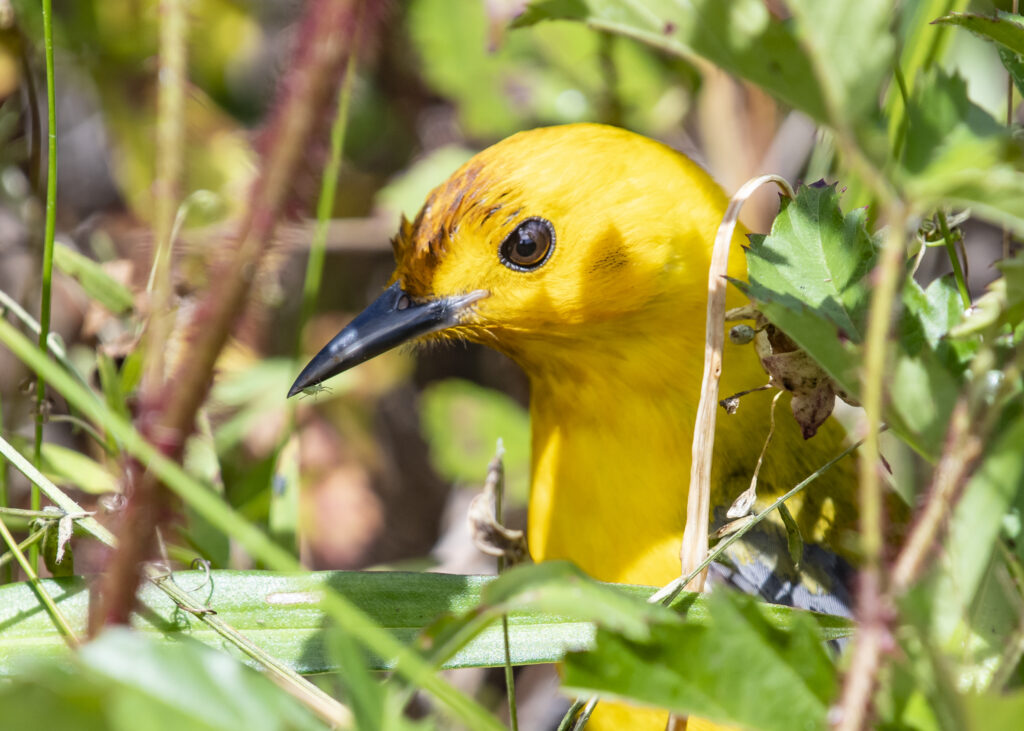
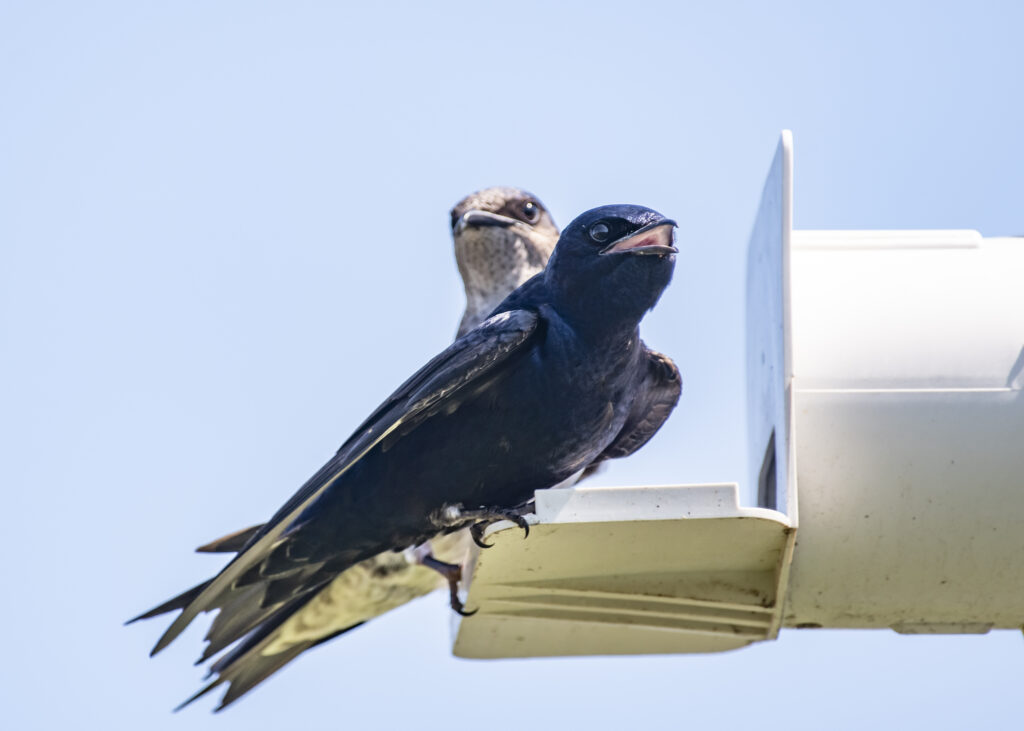
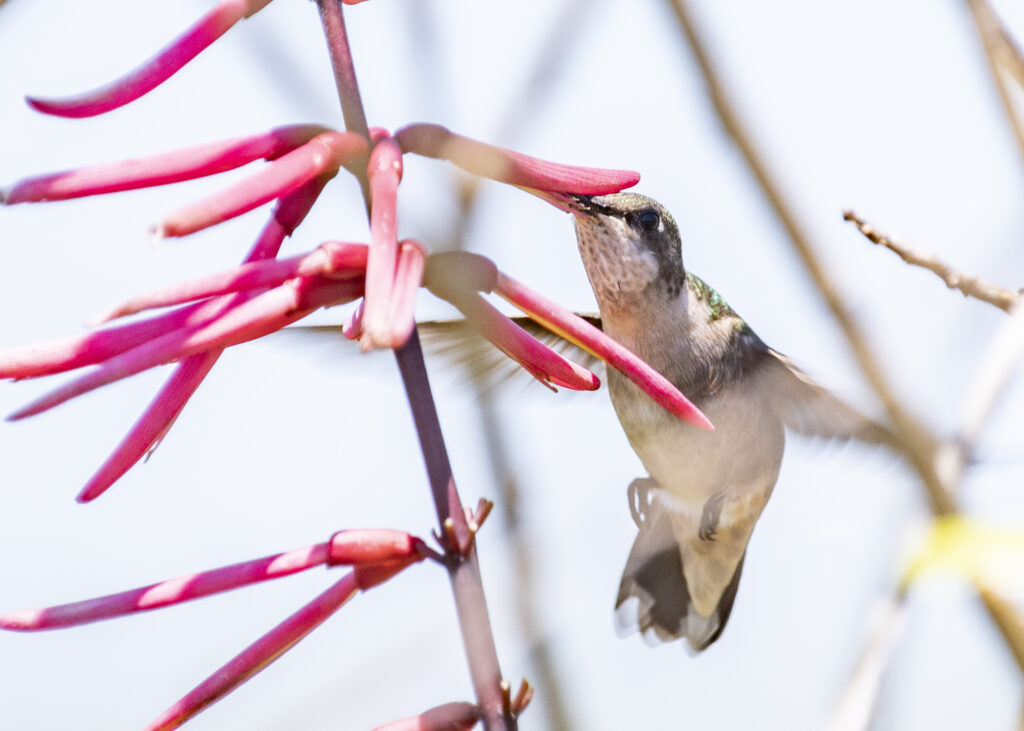
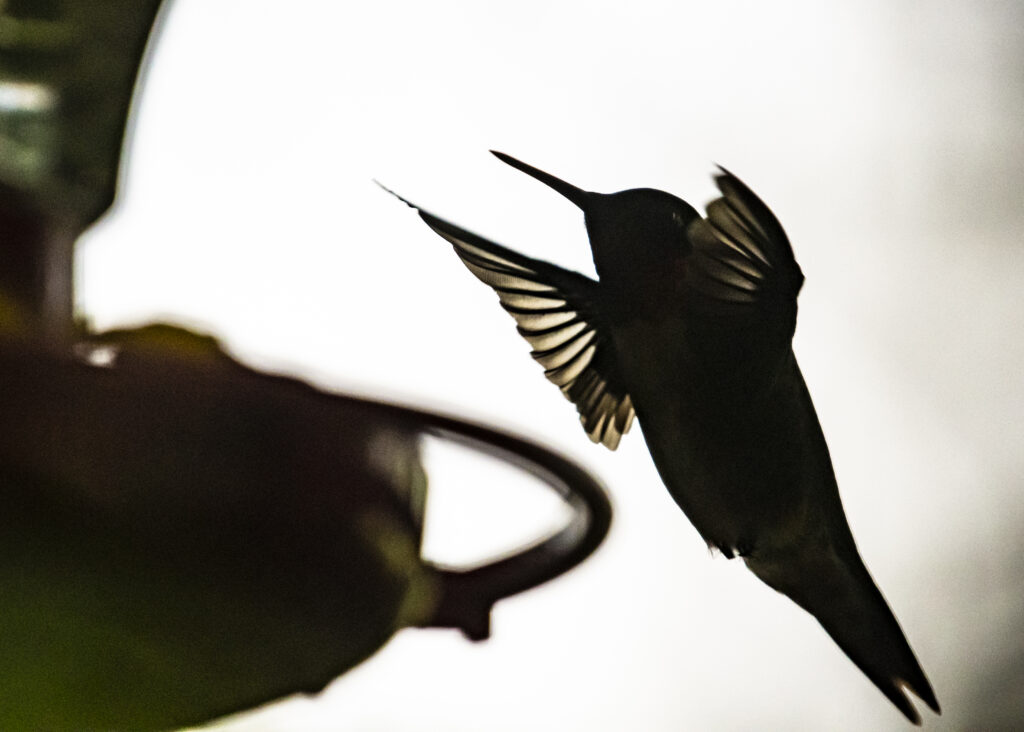
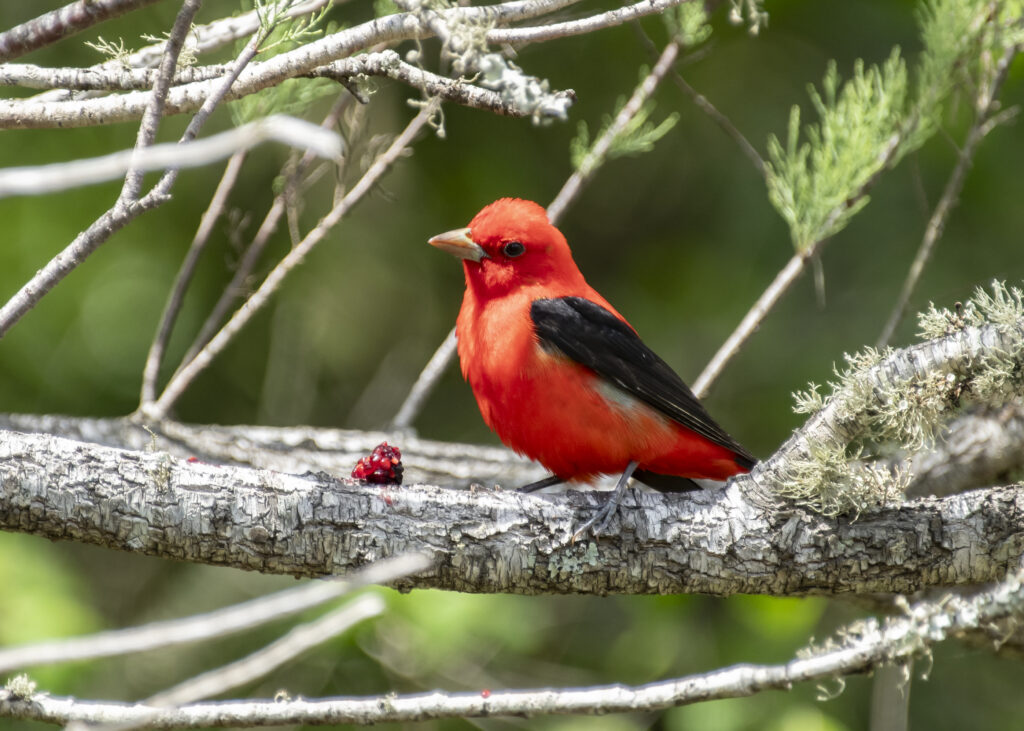
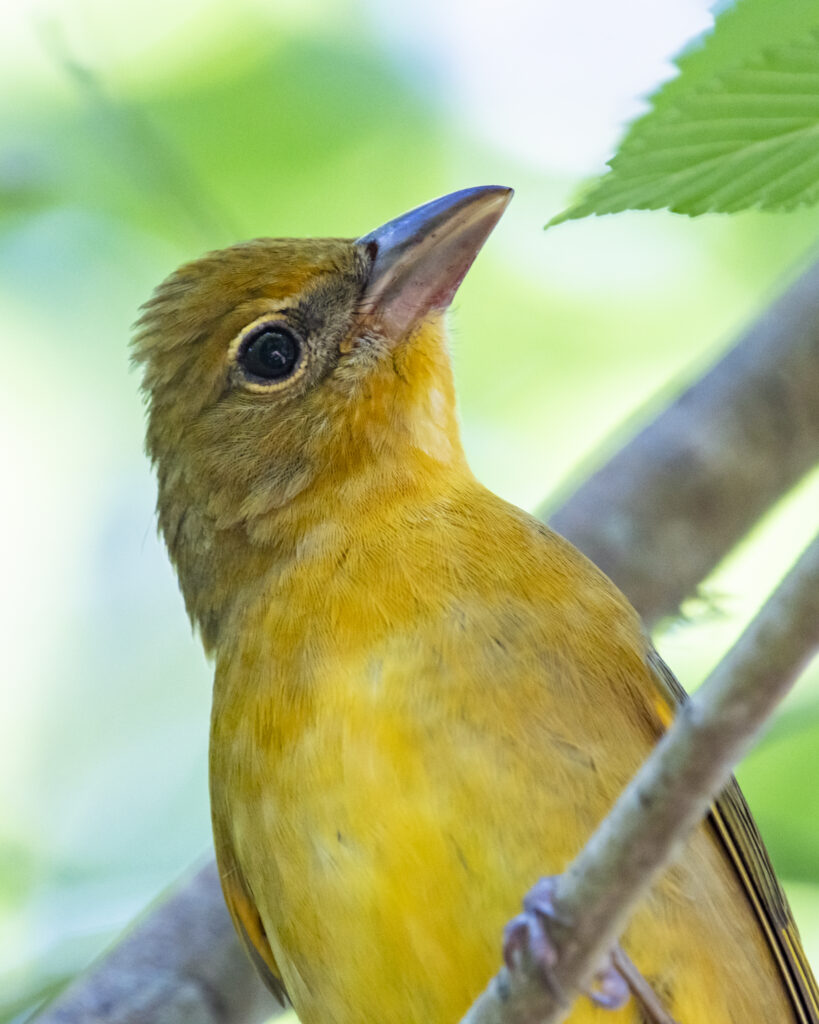
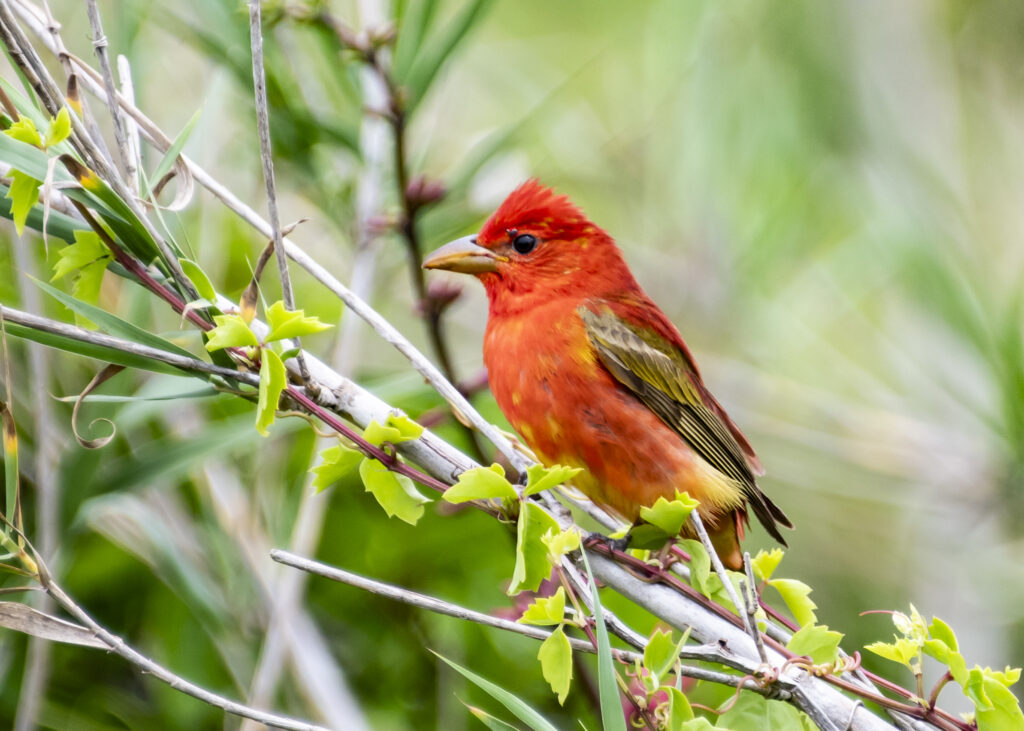
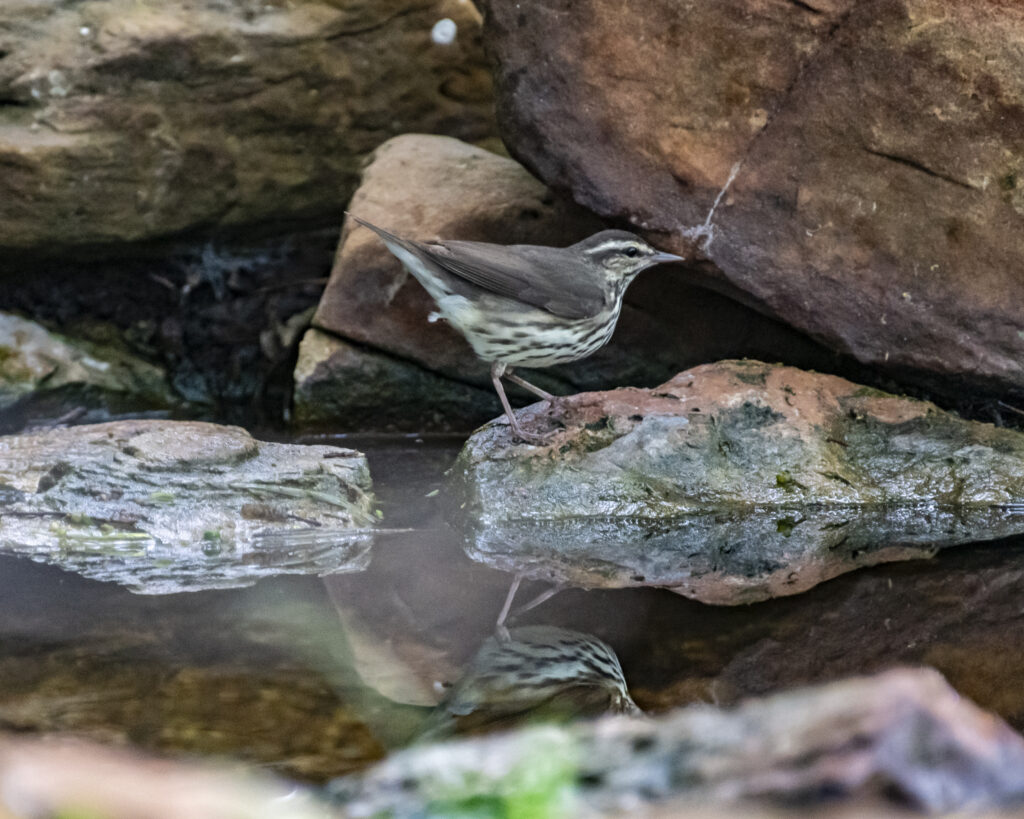
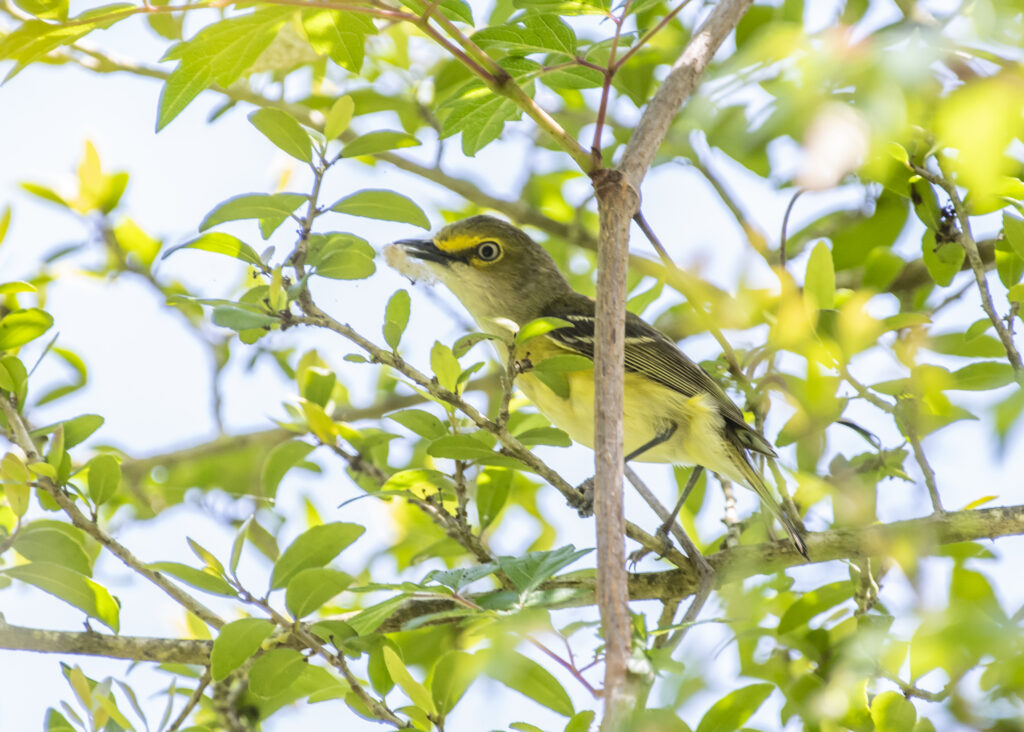
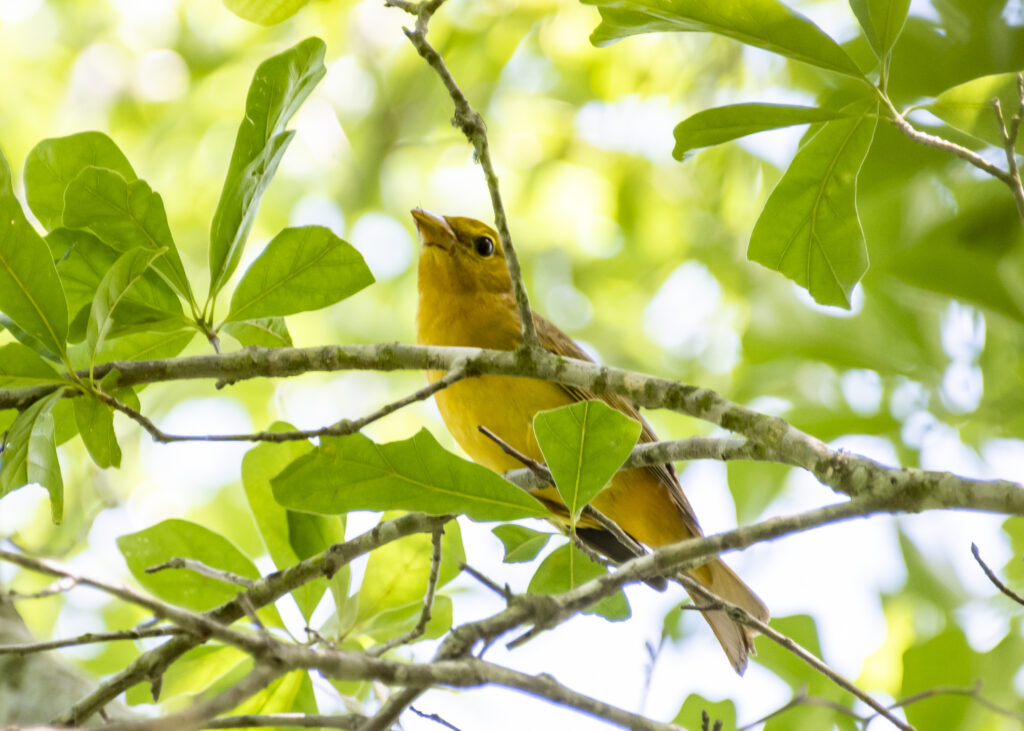
An Acadian Flycatcher beautifully complements the yellow and green of these coneflowersAmerican Redstarts can be difficult to capture. This is the best photo of a female I’ve ever gotten.A male Baltimore Oriole poses handsomelyA male Bay-breasted Warbler pauses to give me a good lookThis male Black-throated Green Warbler got too close to focus on several times while foragingA handsome male Blue Grosbeak perches briefly on a vineA Western Cattle Egret among the wildflowers of the parking lotThis male Chestnut-sided Warbler was another that got close but was hard to captureAn Eastern Kingbird assesses the photographers looking at itAn Eastern Warbling Vireo pauses on a branch in the sun on a windy dayThis male Golden-winged Warbler was another challenge to captureGray Catbirds are normally elusive but are easy to find at Quintana NBSThis Hooded Warbler was very curious and several times got too close to focus onThe Magnolia Warblers were everywhereThis male Painted Bunting was a last minute surprise as I got into my car to go homeThis Prairie Warbler was my top sighting at Quintana NBS this SpringThis Prothonotary Warbler has a little bit of staining from the dewberries he was gorging himself onA breeding pair of Purple Martins checking out the Purple Martin houseFeeders make hummingbirds like this female Ruby-Throated Hummingbird easier to spot, but I prefer to capture them feeding at flowers when I canThe position of this hummingbird feeder made the lighting pretty bad, but made for a good silhouette shotA male Scarlet Tanager contemplates a dewberryA female Summer Tanager poses prettily as she examines meMale Summer Tanagers transition from yellow to red as they reach maturity – juveniles show both colors as they transitionNorthern Waterthrushes can be hard to photograph because they seem to like sticking to the shadows
Sabine Woods Bird Sanctuary and Sea Rim State Park, Sabine Pass, Texas
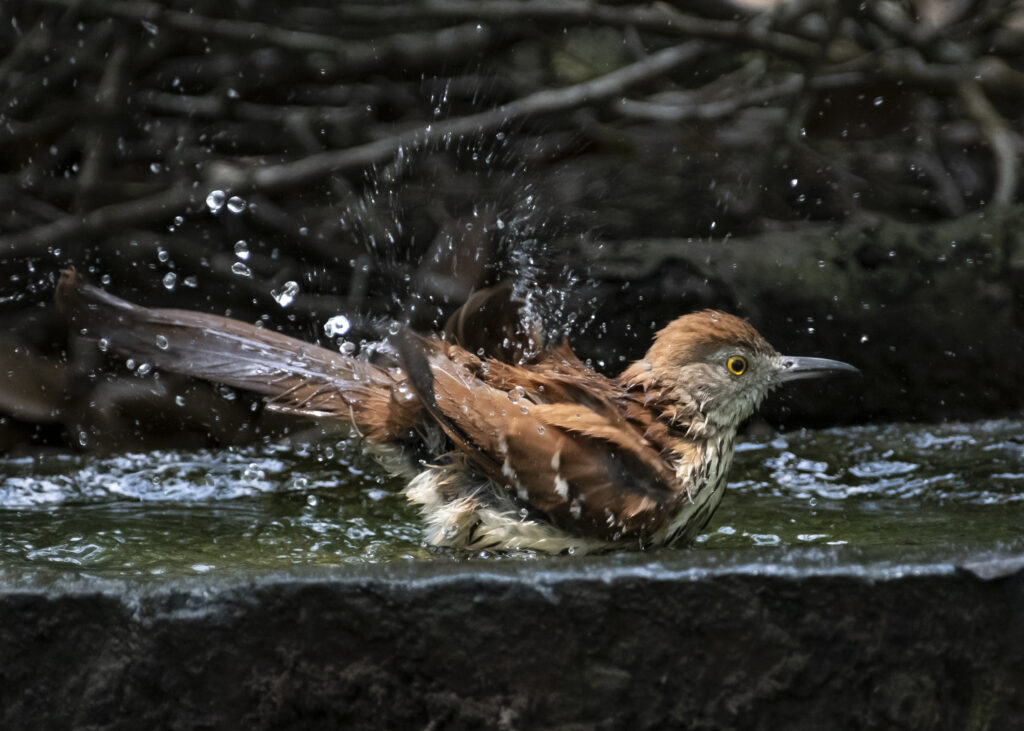
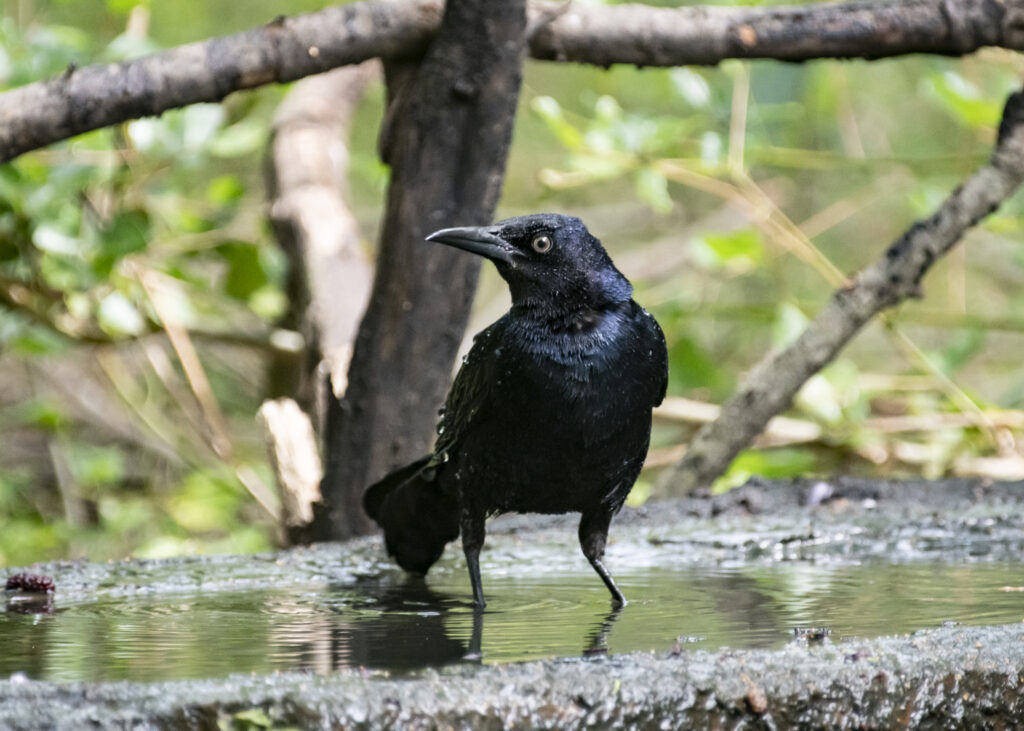
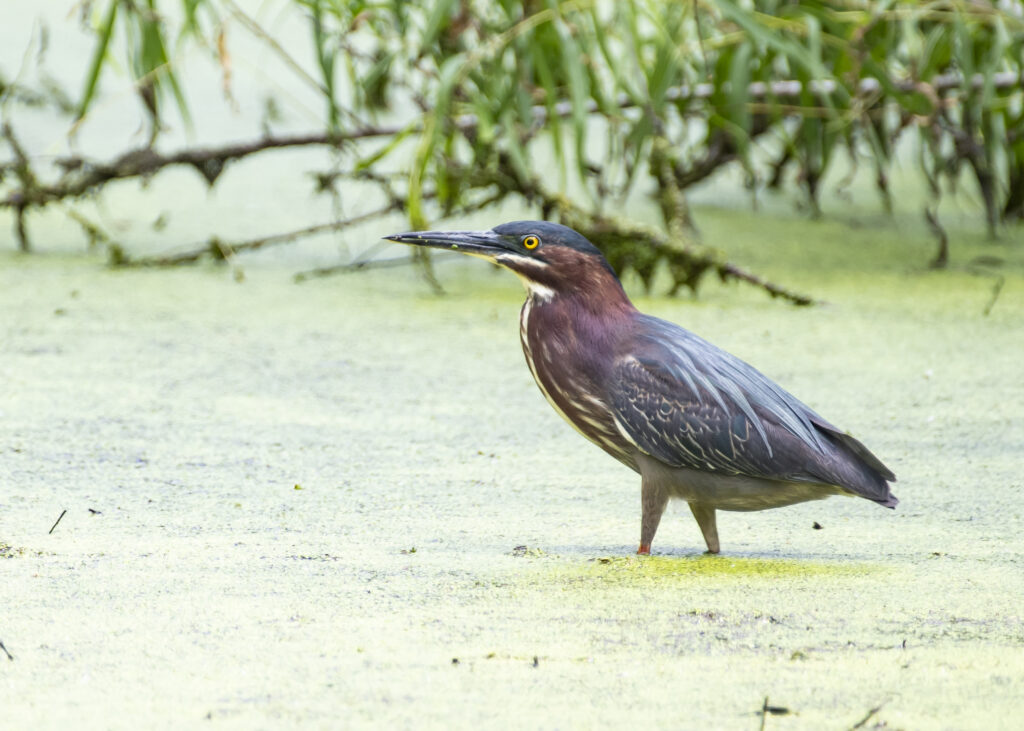
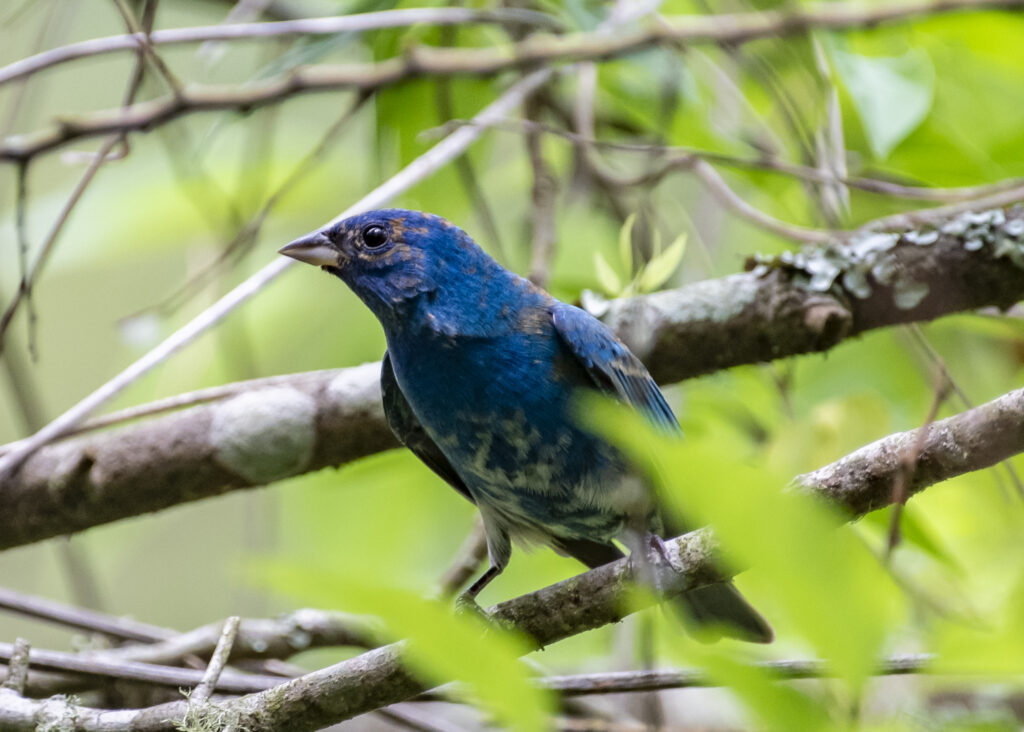
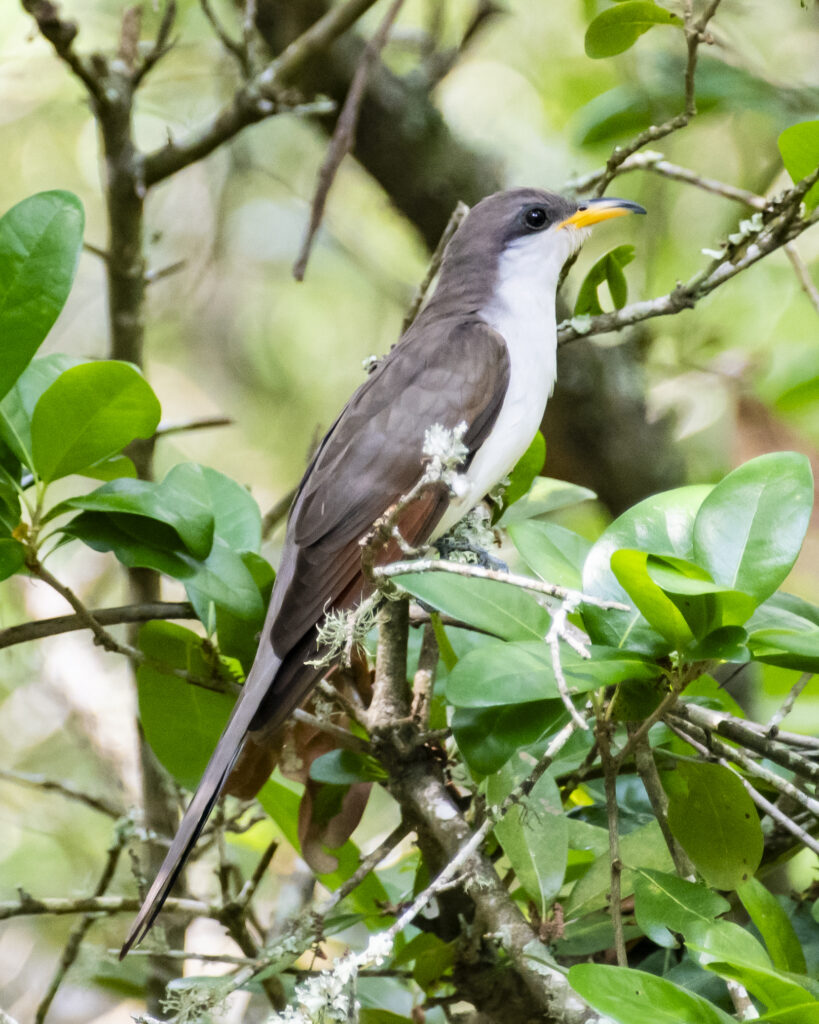
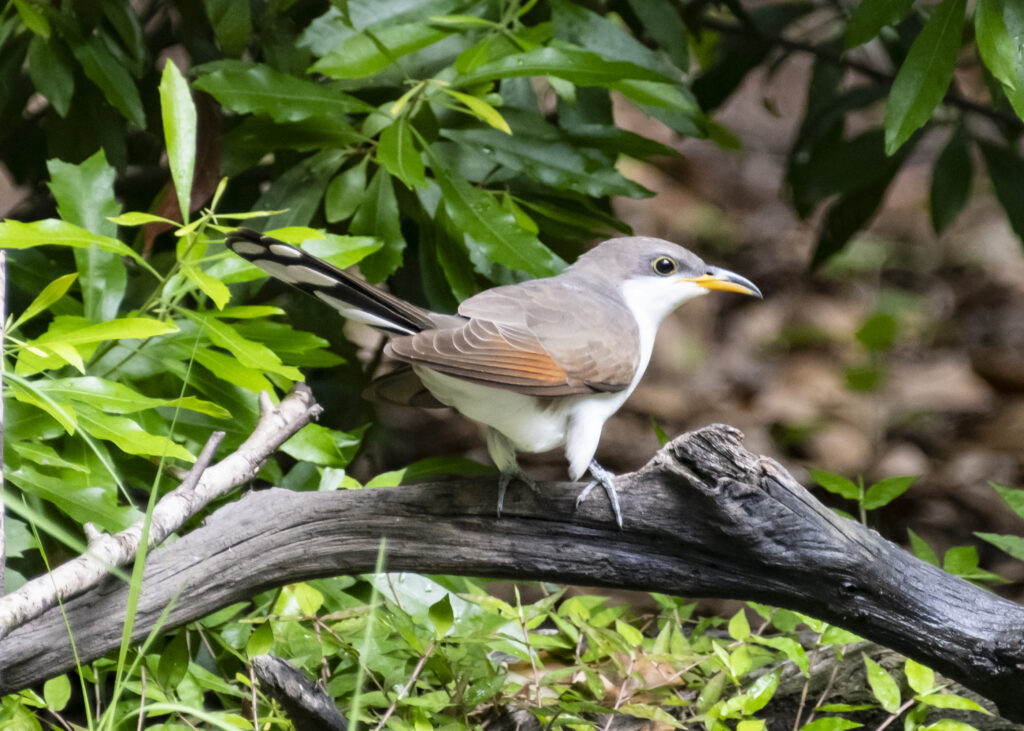
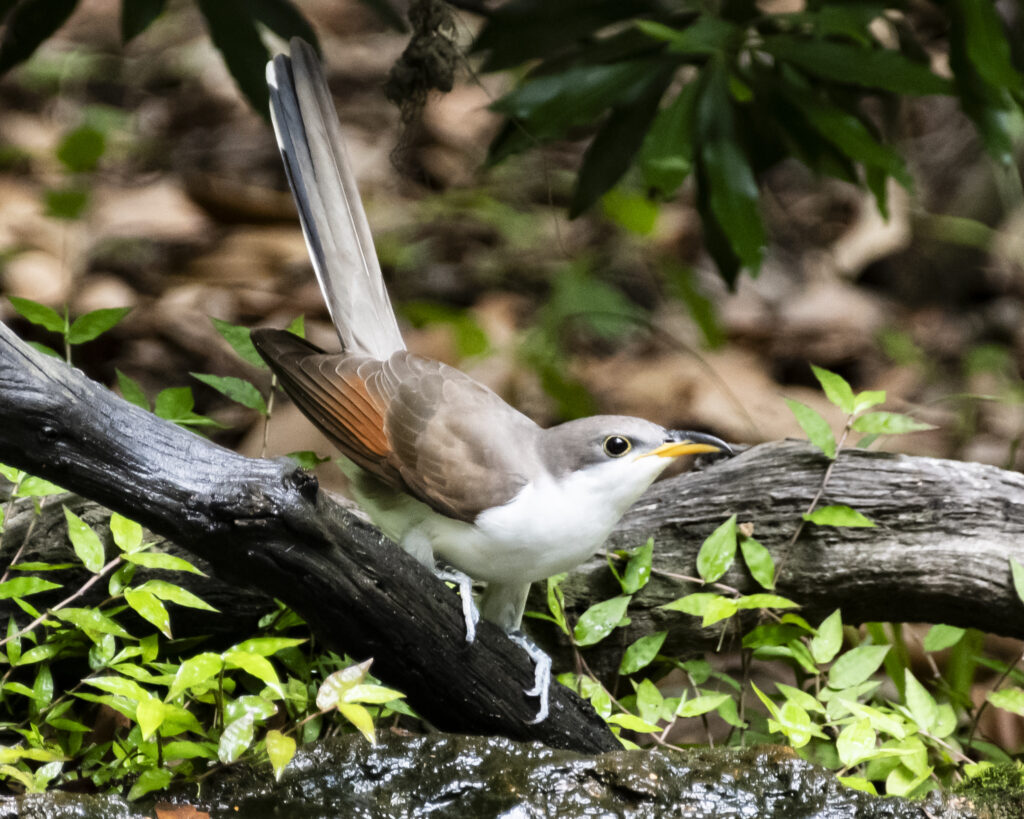
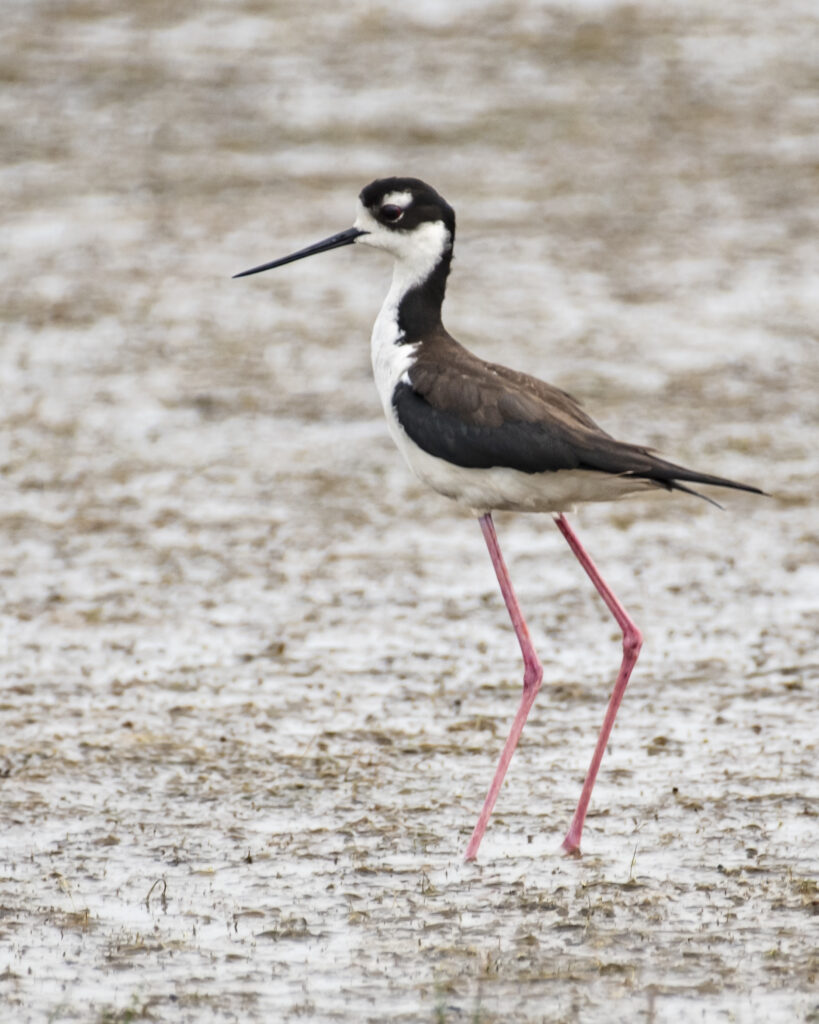
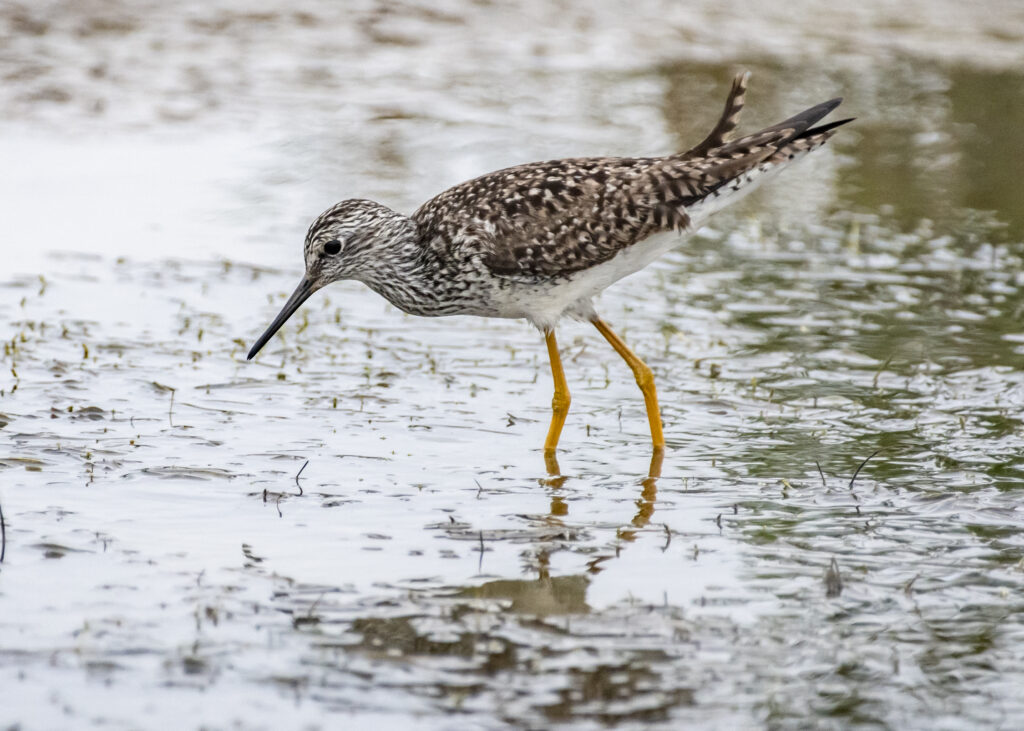
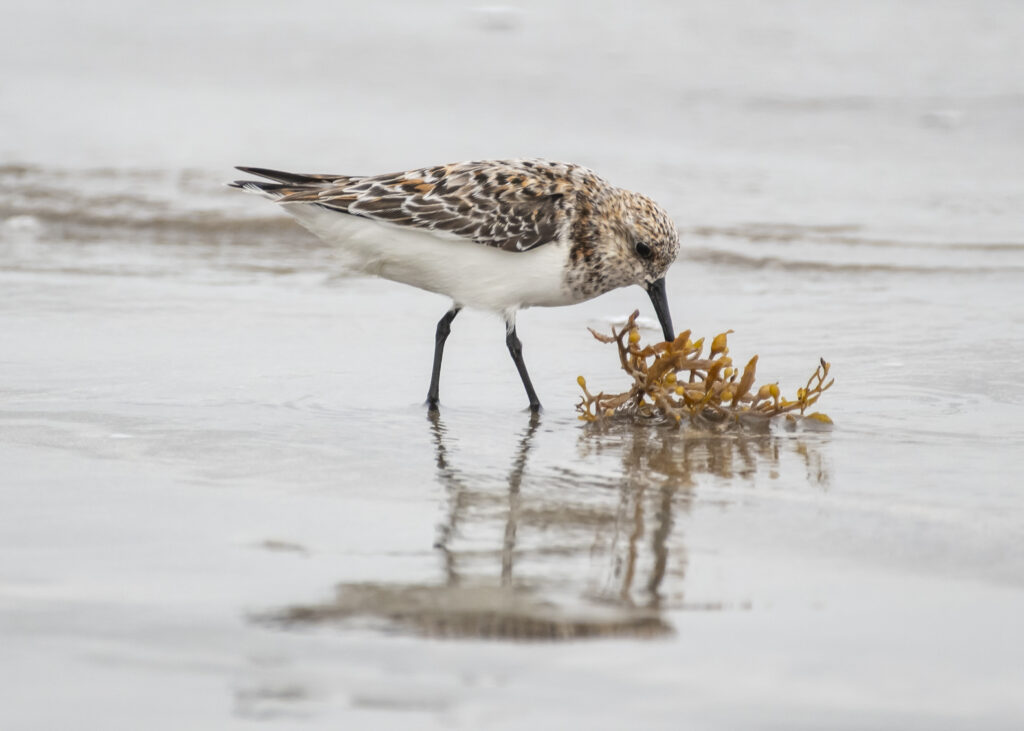
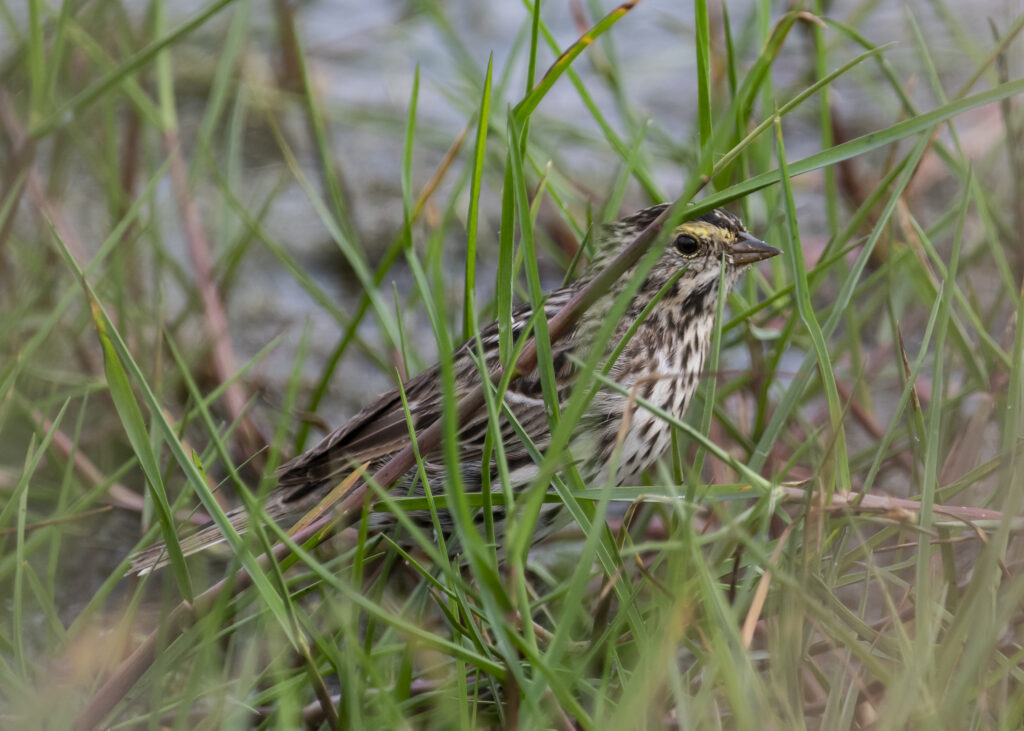
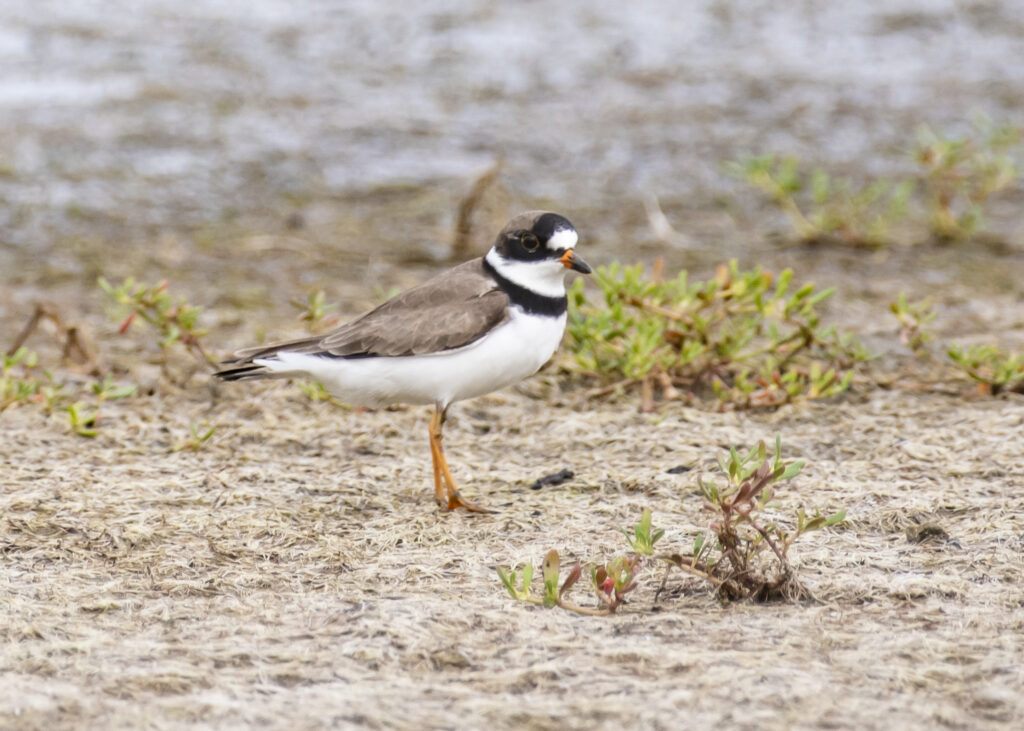
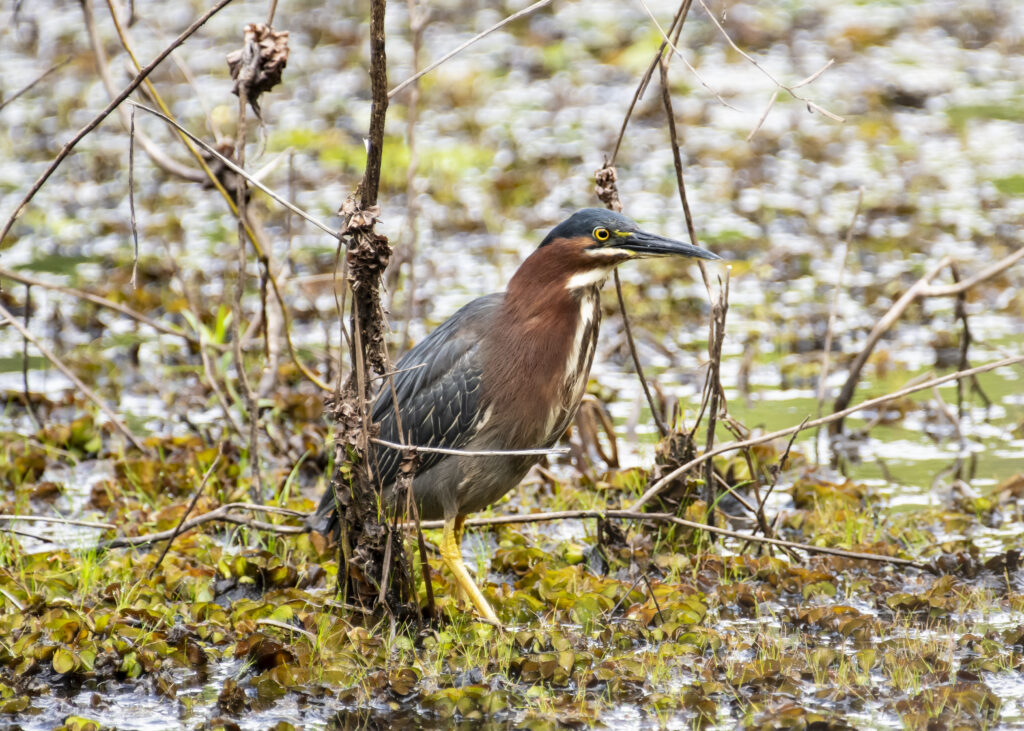
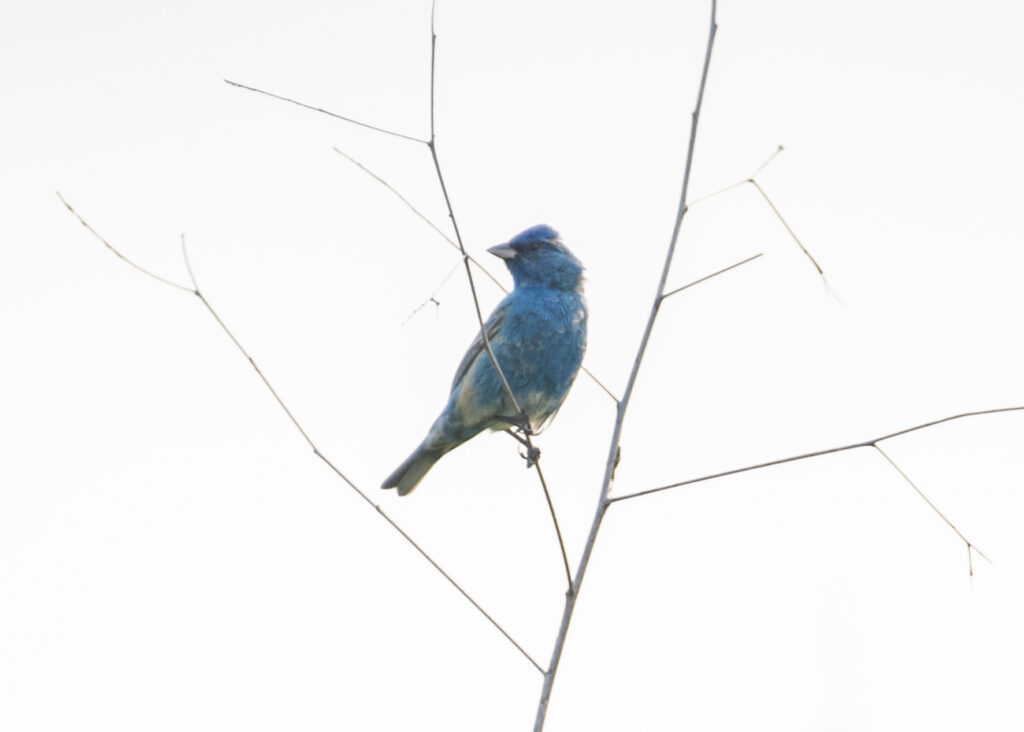
A Brown Thrasher indulges in a bath at one of the water drips at Sabine Woods Bird SanctuaryA Great-tailed Grackle shows me his pale eye at one of the Sabine Woods water dripsA Green Heron stalks the shallow, algae-filled water of a pond at Sabine WoodsThis not-quite-but-almost fully grown male Indigo Bunting still has a few splotches of gray-brown that mark him as an immatureThis Yellow-billed Cuckoo seemed unusually unconcerned with my presence, but then again, I was standing pretty stillSurprisingly enough, there were a pair of Yellow-billed Cuckoos that hung around at one of the drips for quite a whileThis Yellow-billed Cuckoo actually came all the way down to the drip, seemingly more concerned with its thirst than the presence of ten bird-watchers nearbyThe Black-necked Stilt at Sea Rim State Park seems aptly named with its impossibly long, thin legsA Lesser Yellowlegs, also aptly named, forages in shallow marsh waters at Sea Rim SPA Sanderling forages in a bit of seaweed on the beach at Sea RimI don’t think this Savannah Sparrow saw me on the other side of the tall reeds, because it flew in closer than I expected.This Semipalmated Plover is a striking little shorebird with its thick black collar and headband
Sheldon Lake State Park
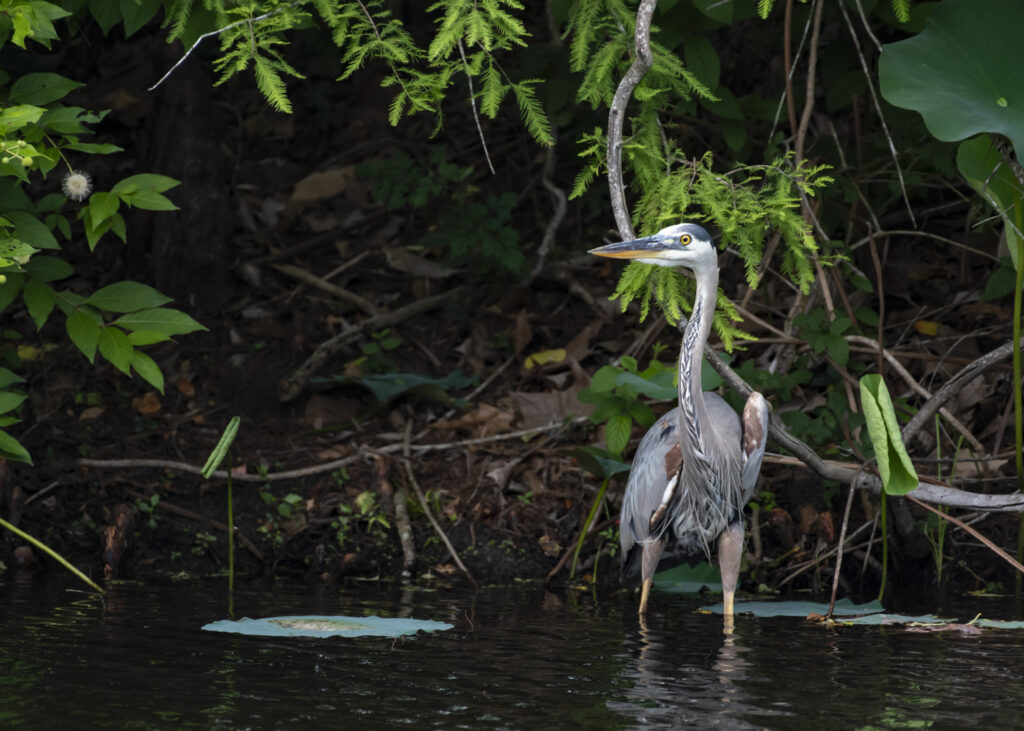
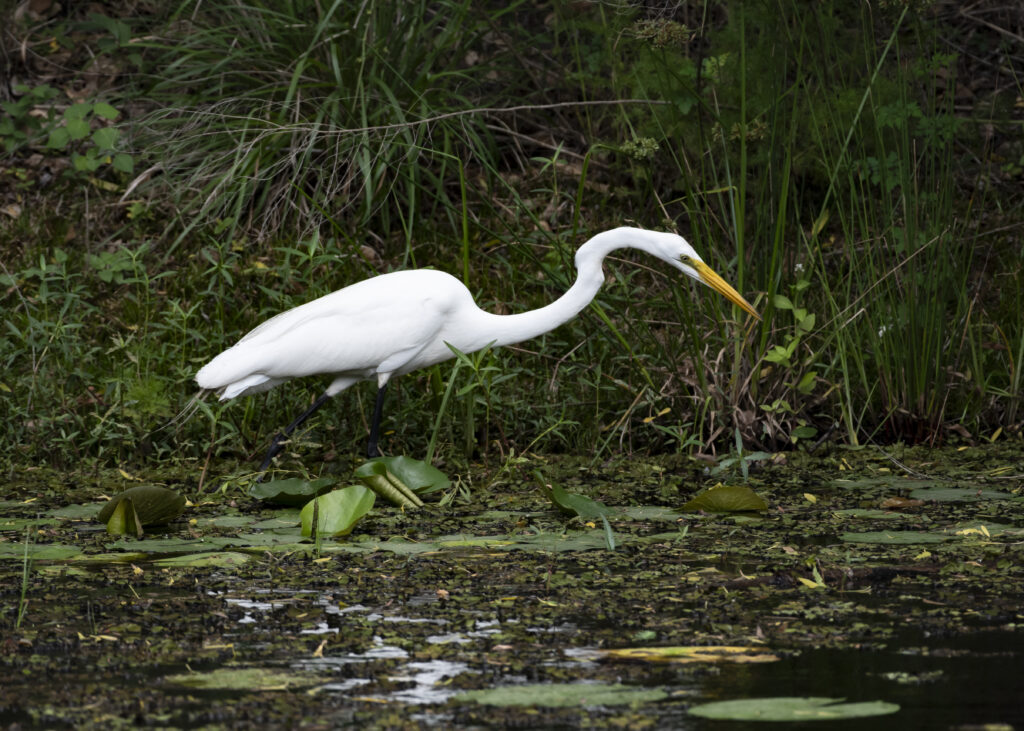
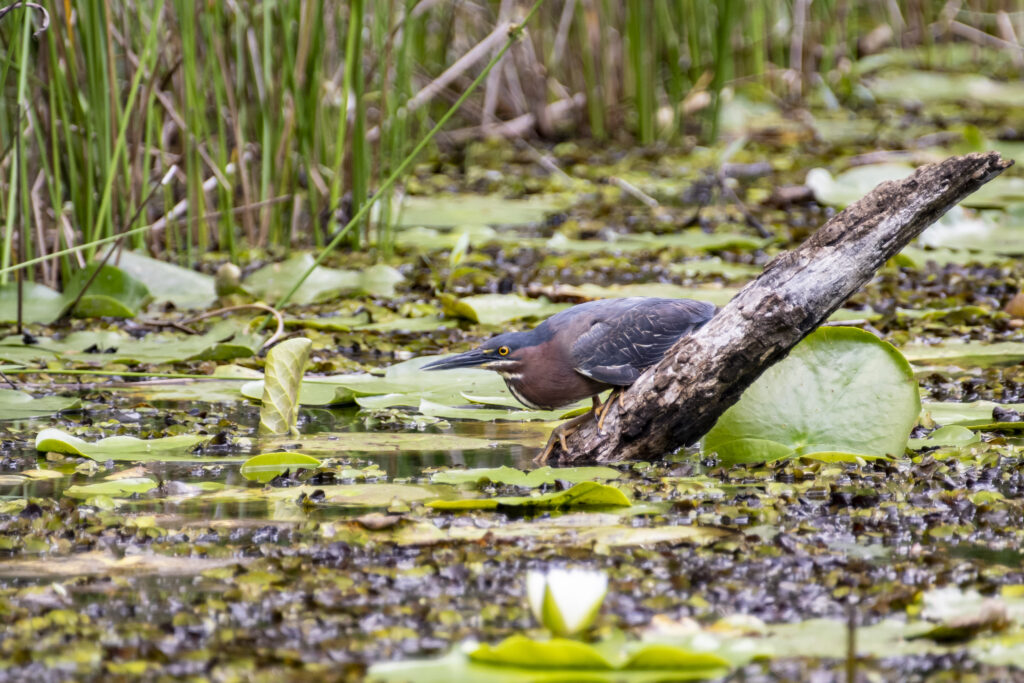
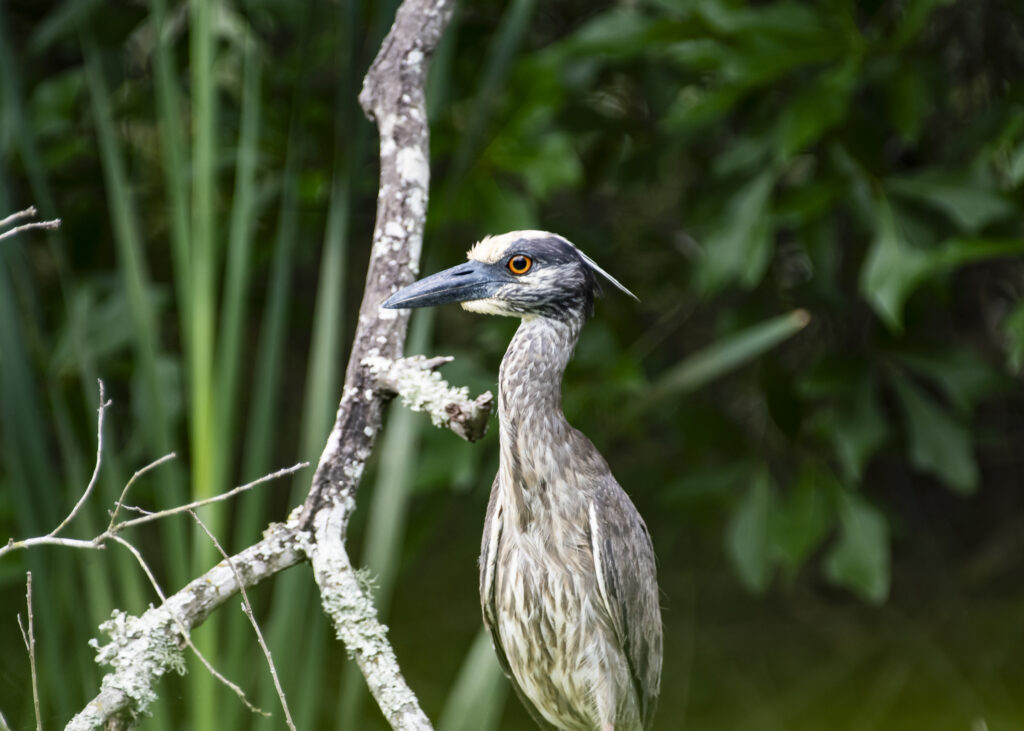
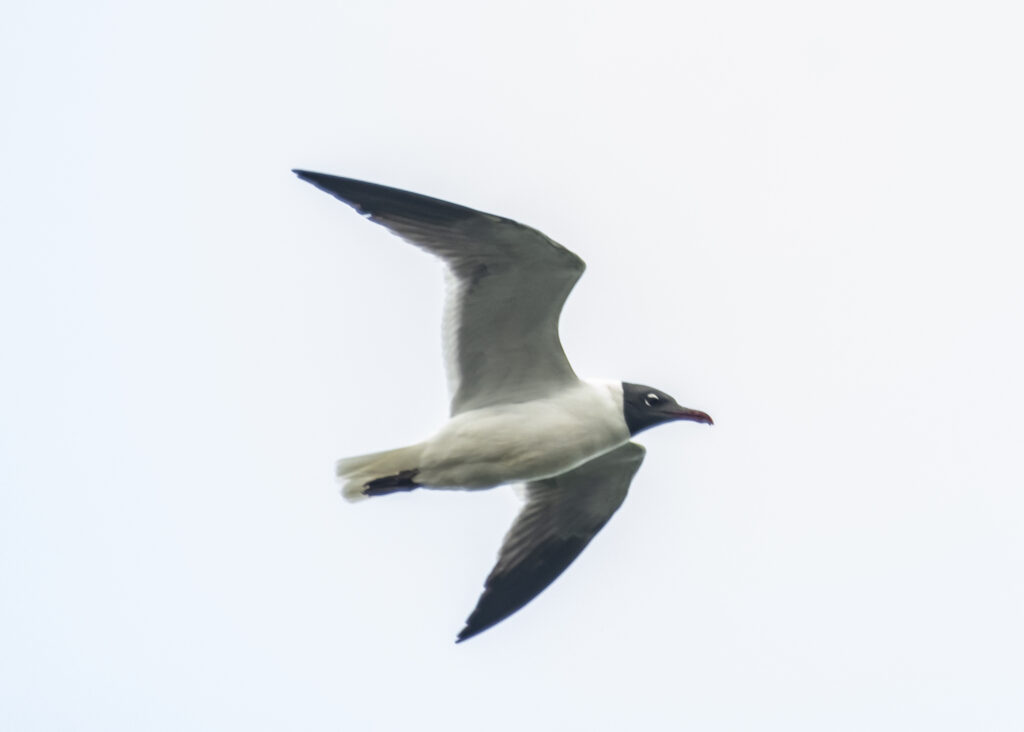
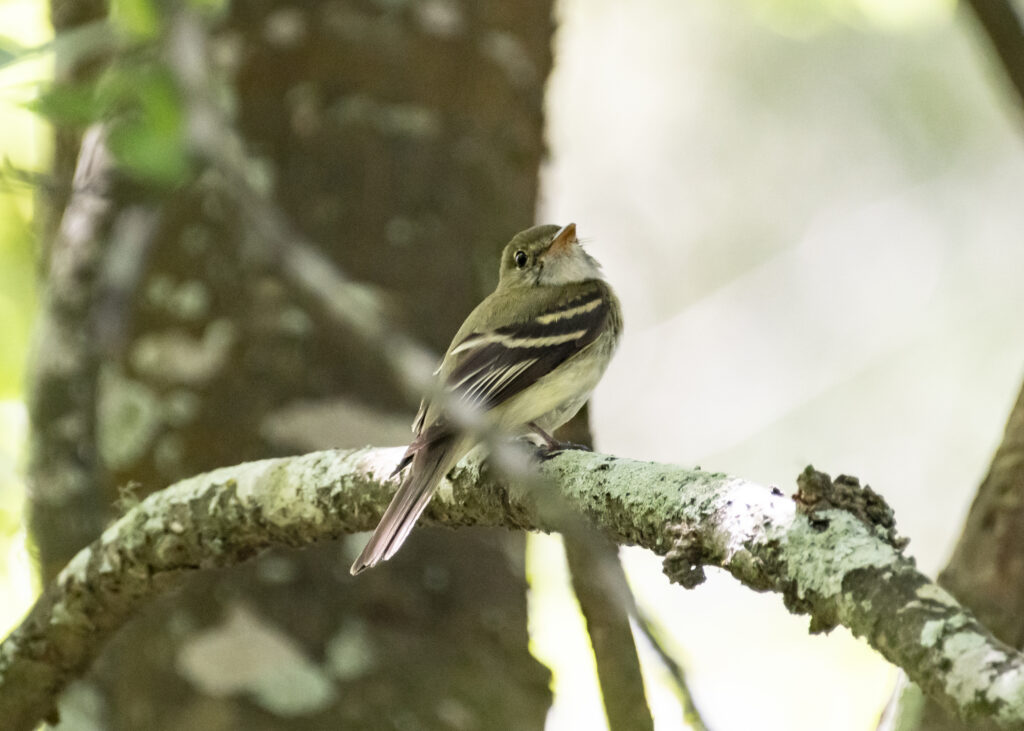
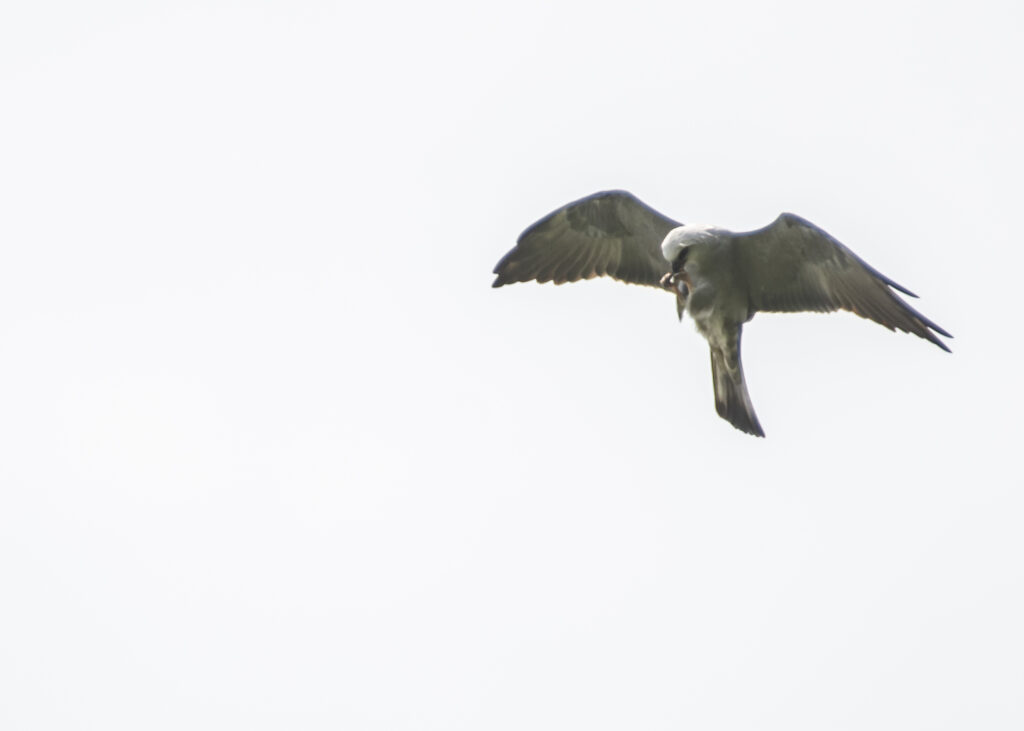
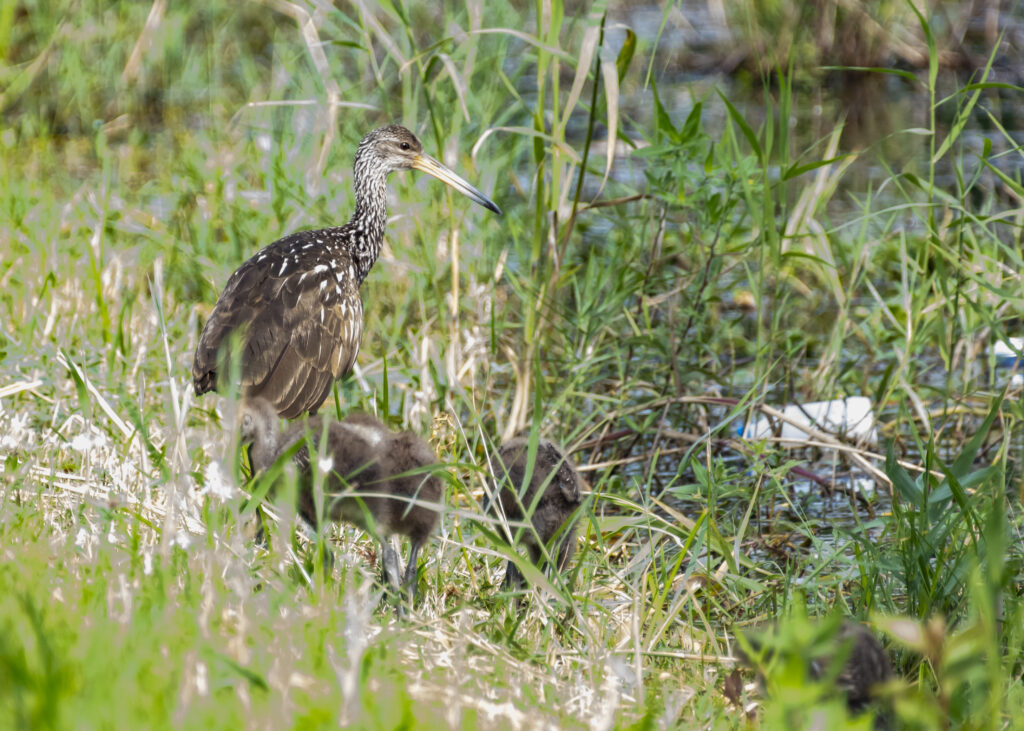
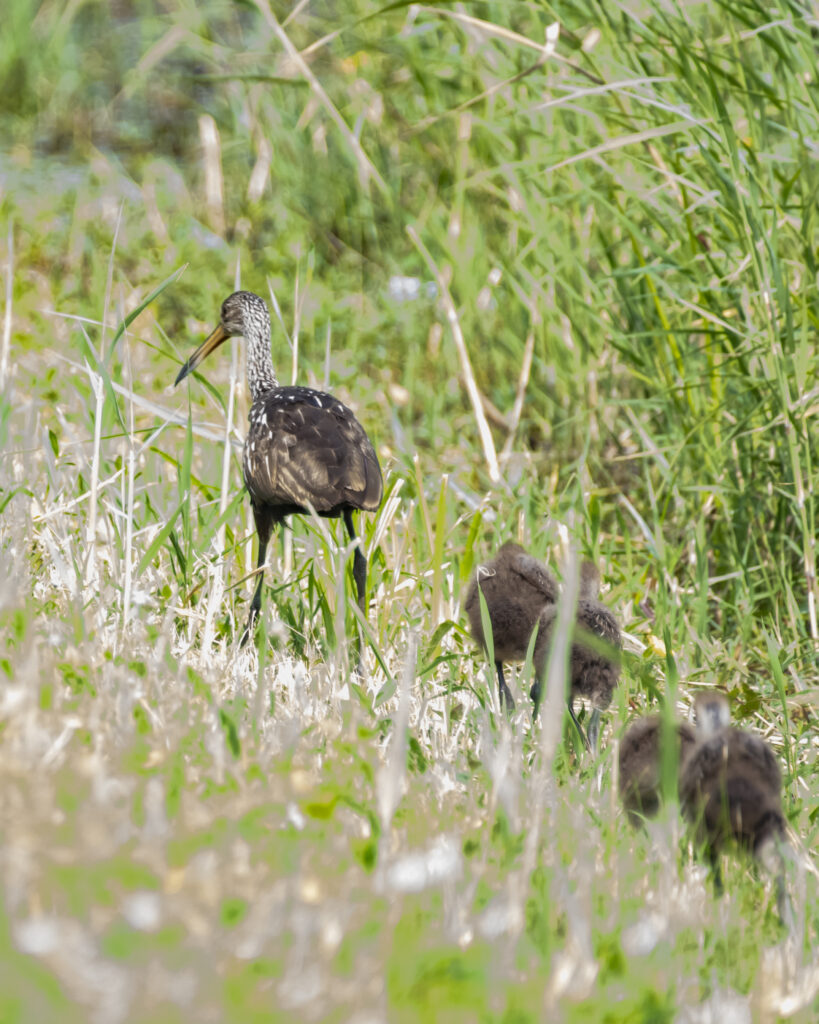
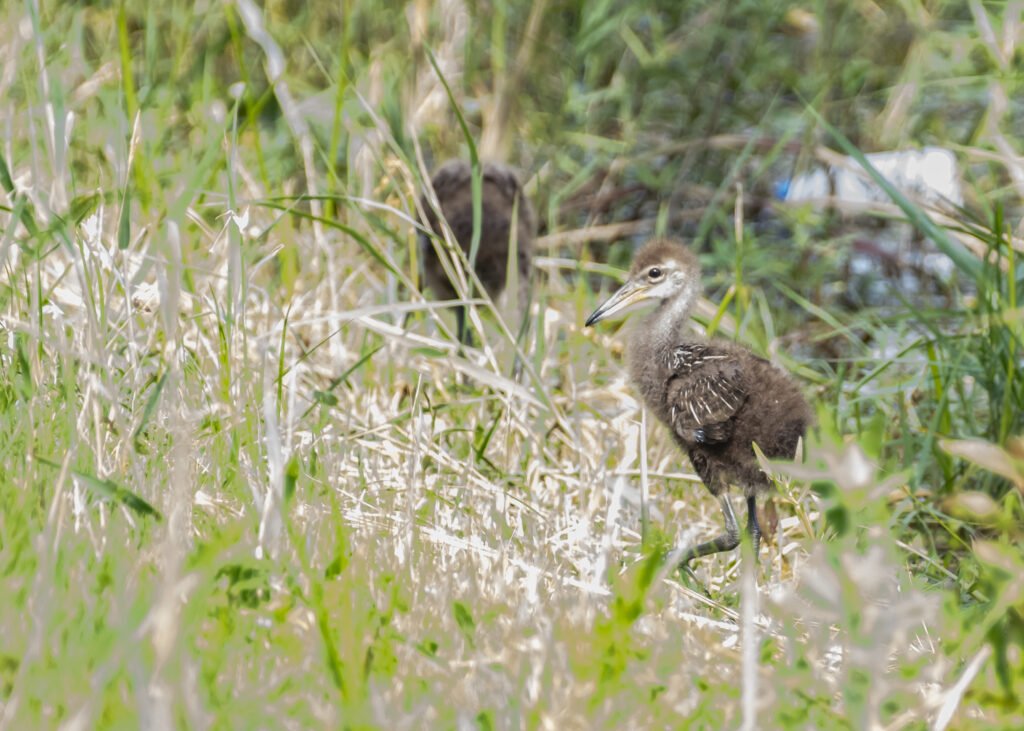
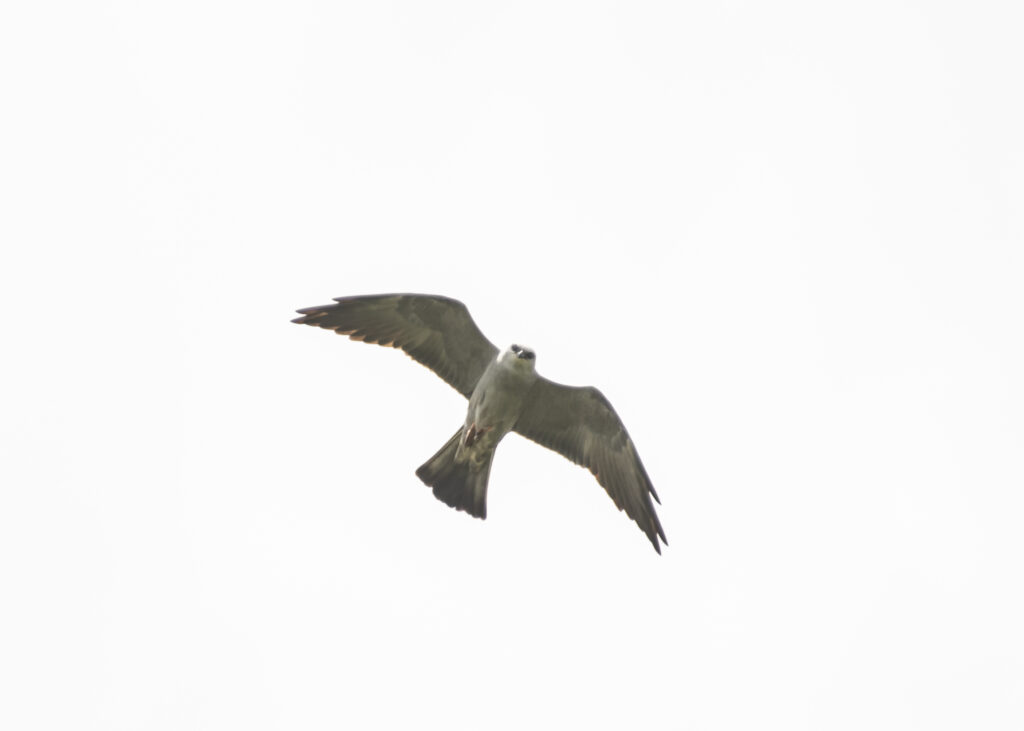
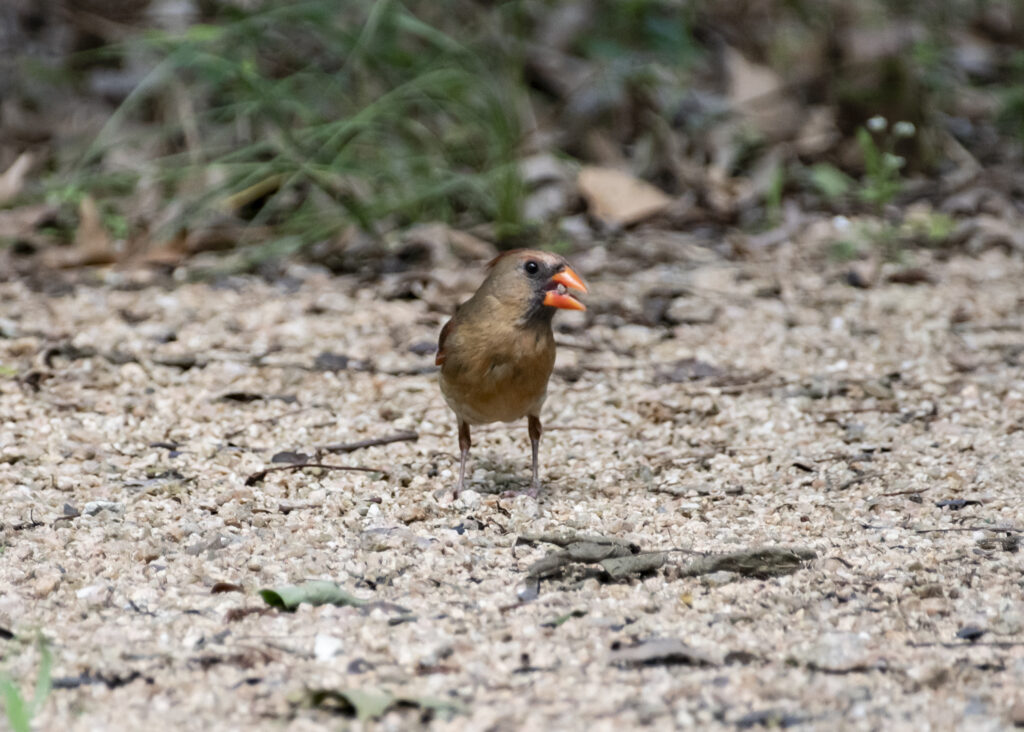
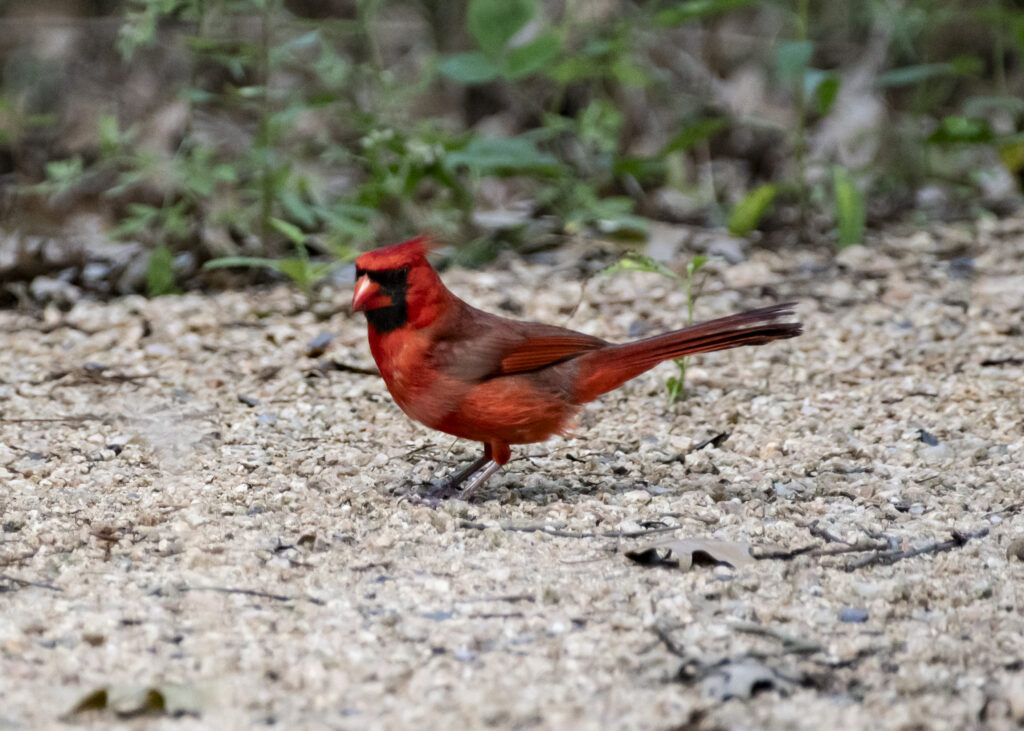
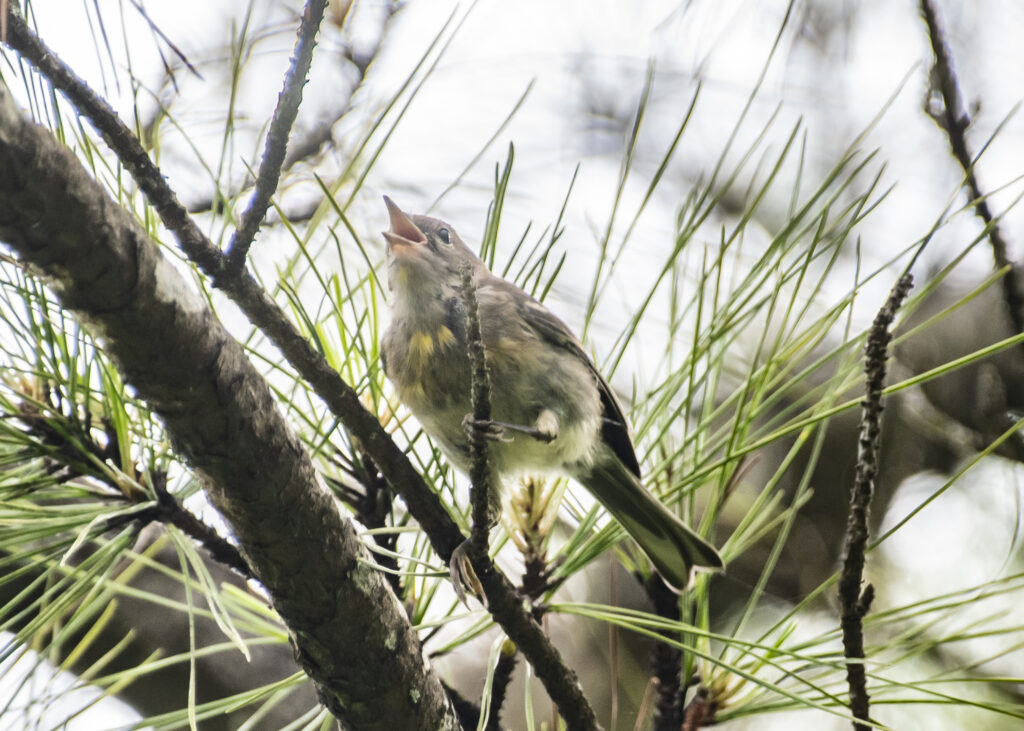
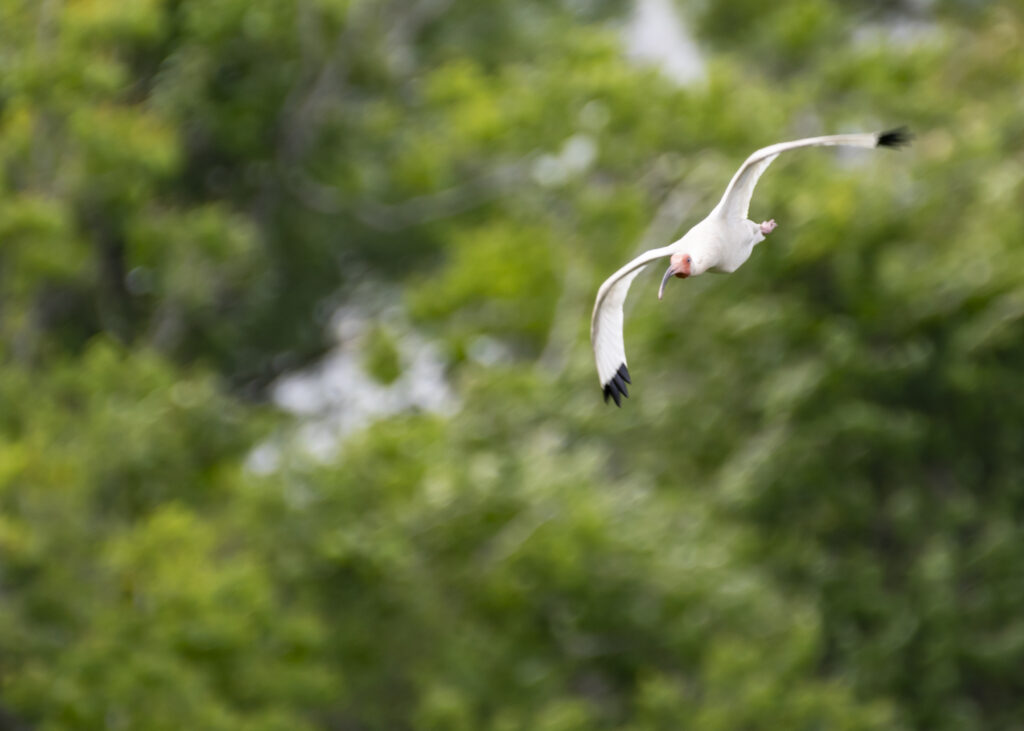
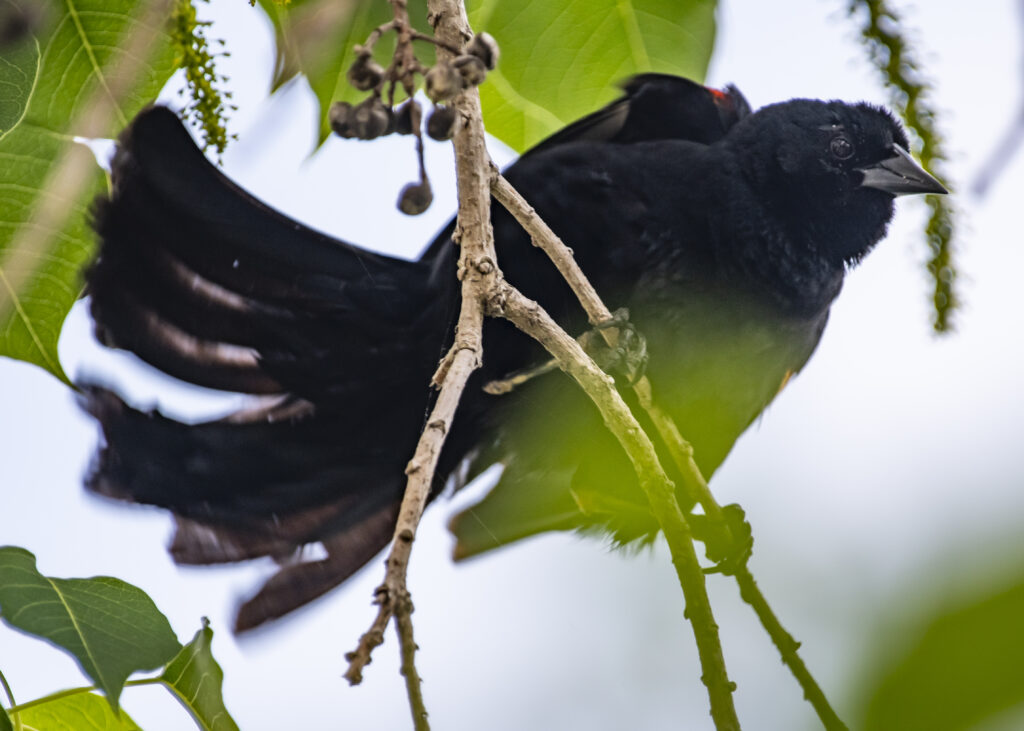
A Great Blue Heron stands at the edge of one of the shallow ponds at Sheldon Lake State ParkA Great Egret hunts along the water’s edge of a shallow pondA Green Heron perches on a partly submerged log, holding perfectly still as it watches potential preyGreen Herons, like many others, don’t chase after prey. Once they are in position, they hold perfectly still, waiting for the right moment to strike.Immature Yellow-Crowned Night Herons are speckly brown, but this one is starting to show an adult’s black facial markings and trademark pale yellow crest.An indigo bunting was a nice find for the group during my first-ever Birding Sociable offered through the Christ the King Lutheran Church’s annual festival.This Laughing Gull was only one of dozens that flew over Sheldon Lake one day in May.Mid to late April is when Least Flycatchers typically arrive in the Houston area, and by mid-May they’re pretty much all gone.A Mississippi Kite snacking on the wing – that’s multitasking right there!Limpkins are a relatively recent arrival in the Houston area; prior to 2021, their range in the USA was restricted to Florida.Limpkins have been following the spread of invasive Apple Snails, which are native to South America and which have likely been introduced to the USA by the aquarium trade.As the Apple Snail has become established here in the Houston area, so has the Limpkin become established enough to breed and produce chicks like this one.Mississippi Kites are summer residents in the Houston area, typically arriving at the end of March and staying through September.A female Northern Cardinal munches on a seed she has picked up on the trail.This male Northern Cardinal joins his partner in looking for seeds on the trail.A juvenile Pine Warbler, increasingly capable of flying but still dependent on Mom for a little longer, begs for food in the branches of a pine tree.A White Ibis coming in nearly eye-level with where I stand at the top of the Observation Deck.A White-Eyed Vireo has picked up a bit of fluff which it likely will use to build a nest.This female Summer Tanager was a pleasant surprise on a day where it seemed like I wasn’t finding very many birds.A Red-Winged Blackbird pauses while eating berries to look at me in suspicion.