Recap of a Weekend Devoted to Birding
Galveston is For the Birds
Galveston Island and the surrounding Galveston County make up some of the best places for birding in Texas for several reasons. One, it contains a number of diverse habitats within a relatively small geographical area – the island itself is only 28 miles long. Two, it is optimally located along the Central Flyway, one of four migratory flyways in North America. Many birds use Galveston Island as a critical stopover to rest and refuel after flying directly across the Gulf of Mexico.
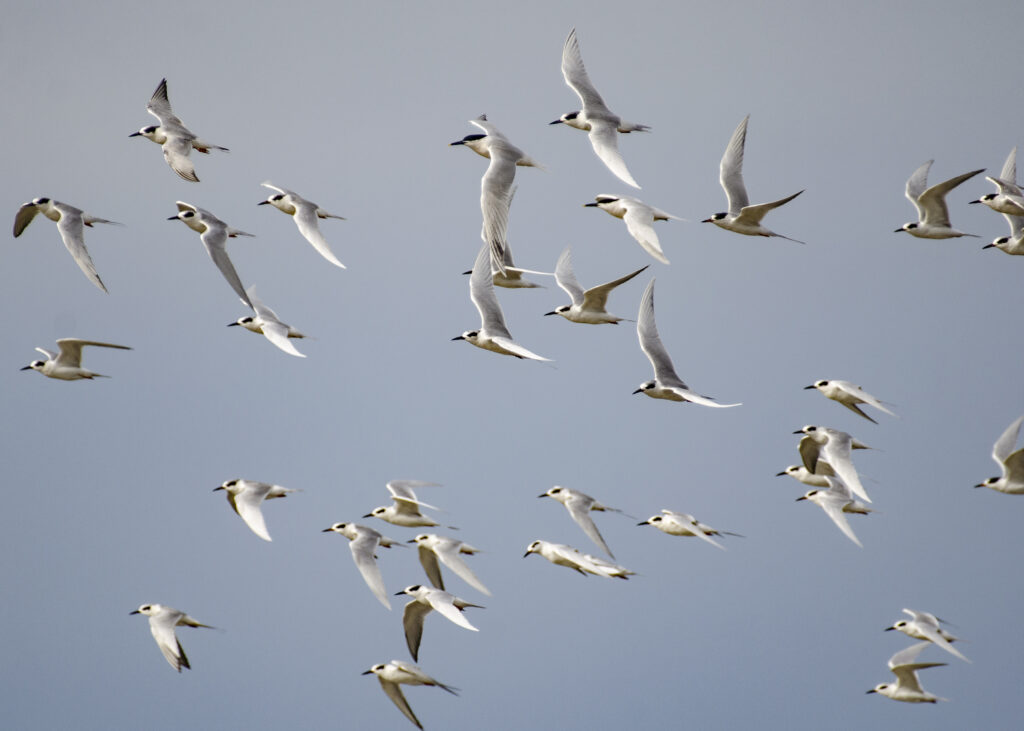
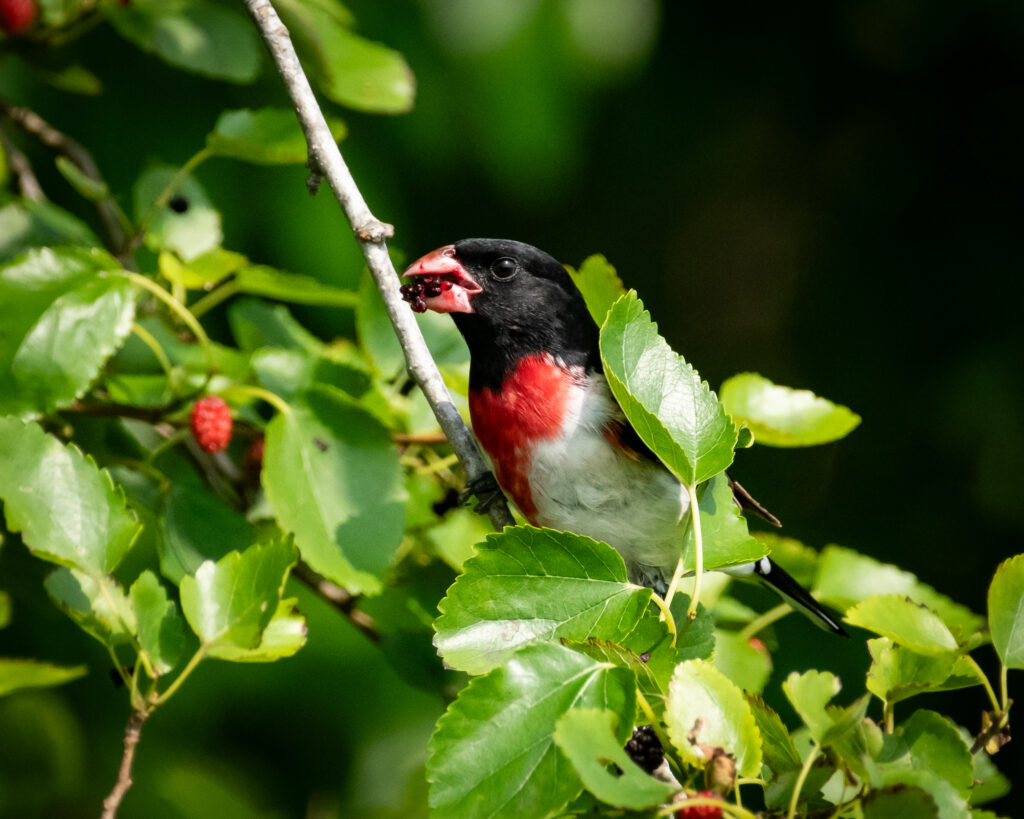
Galveston is also home to many species of wintering birds, who come from places further north to spend the winter in Galveston’s milder climate. Some 200 species, give or take a few, can be seen in the winter, with an additional 100 or so during the Spring and Fall migration seasons.
Galveston’s Annual Birding Festival
Every spring, the Galveston Island Nature Tourism Council, based in Galveston, Texas, hosts FeatherFest, an annual festival devoted to all things bird. It started in 2003 when a group of Galveston residents first got together to begin planning a festival to celebrate the birds loved by so many.
FeatherFest this year went from Thursday April 16, 2026 to Sunday April 19, 2026. There were some additional pre-festival activities, a handful of birding trips in the field, that began Tuesday April 14. FeatherFest 2027 will take place April 15-18, 2027. See www.galvestonfeatherfest.com for more information.
Four Days of Birdy Activities
Attendees can participate in all kinds of bird-related activities. There are workshops, on everything from bird-watching to photography to watercolor painting (specifically focusing on birds) to bird-friendly gardening.
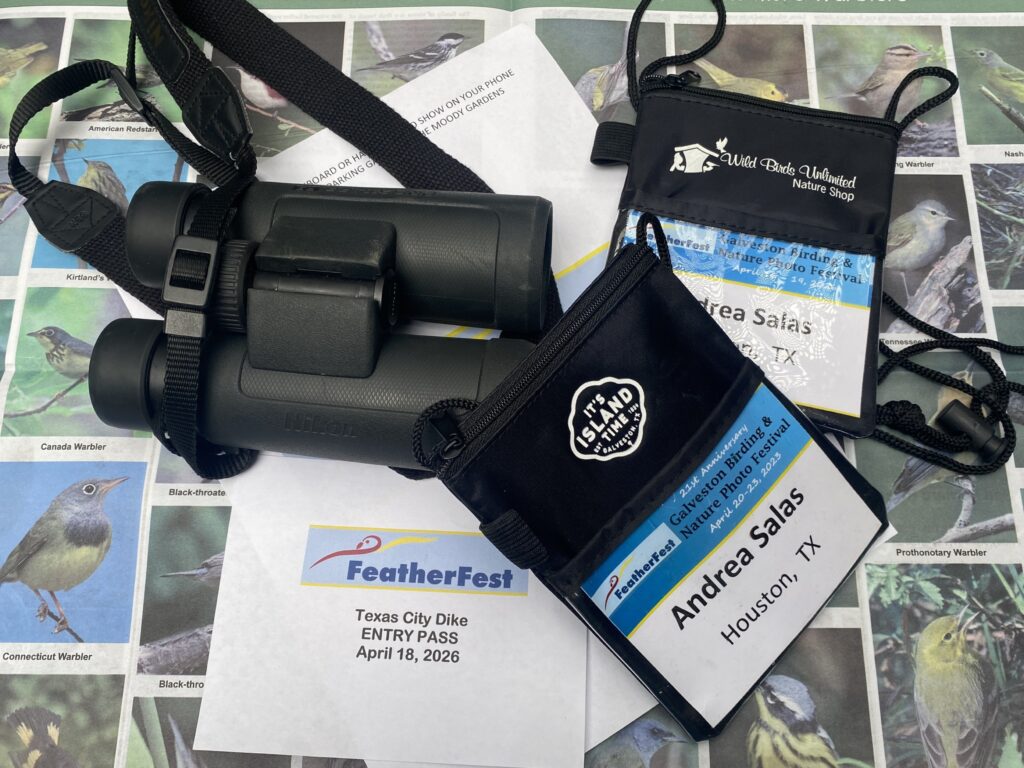
There are also field trips attendees may take to various locations on and around Galveston Island. Some field trips may be included as part of a workshop, where participants spend a portion of the session in a lecture-type setting learning skills before going out to another location to apply their newly-gained knowledge in the field.
A Workshop…
I attended two activities. The first was a workshop with both a presentation and a field trip, and the second was a field trip where we met in the field. I attended both of these with the aim of getting ideas for how to lead my own workshops and field trips in the future.
The first workshop was a birding basics for beginners workshop. I primarily took this workshop with an aim to get ideas for developing and leading my own birding workshops in the future. During this workshop, though I took my camera gear, I took no photos. Instead, I left my gear on the bus, focusing on practicing using my binoculars and paying attention to how our guides lead the workshop. I’m glad I decided to at least have my gear with me because I ended up taking it immediately after the workshop to take a few photos of a special bird.
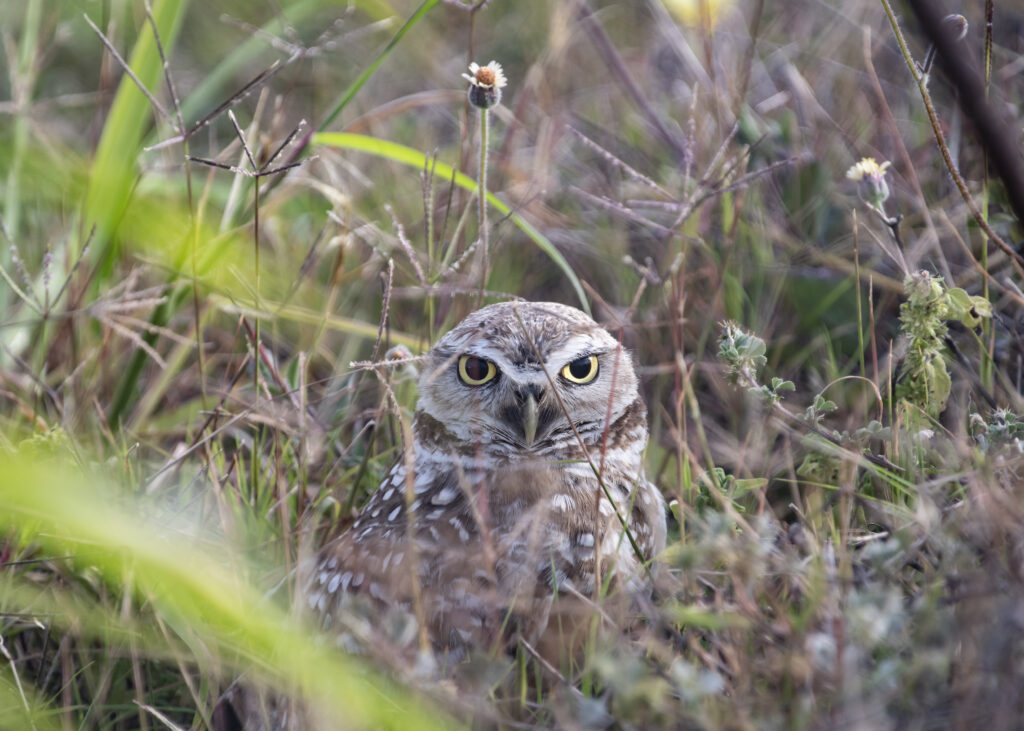
The last stop we made was to an empty lot behind a restaurant where the leaders said, “There’s a bird here that shouldn’t be here.” It turned out to be a Burrowing Owl, which isn’t normally found on Galveston Island. As I had never seen one before – it was what birders refer to as a “lifer” – it made the rest of my week. And I did take my camera immediately after the workshop was over to find the owl again and take photographs.
…And a Field Trip
The second activity was more of a field trip than a workshop. This field trip would take us to a handful of birding locations outside of Galveston Island. The main point being that there are a number of great but less well-known birding locations in Galveston County beyond the Island. Most people who think of birding in or even around Galveston think of locations on the island itself, or on Bolivar Peninsula across the Bolivar Roads channel, or further up on the base of the peninsula at High Island. But the Texas City Dike, for example, is one great location to get ducks, grebes, loons, and other sea birds.
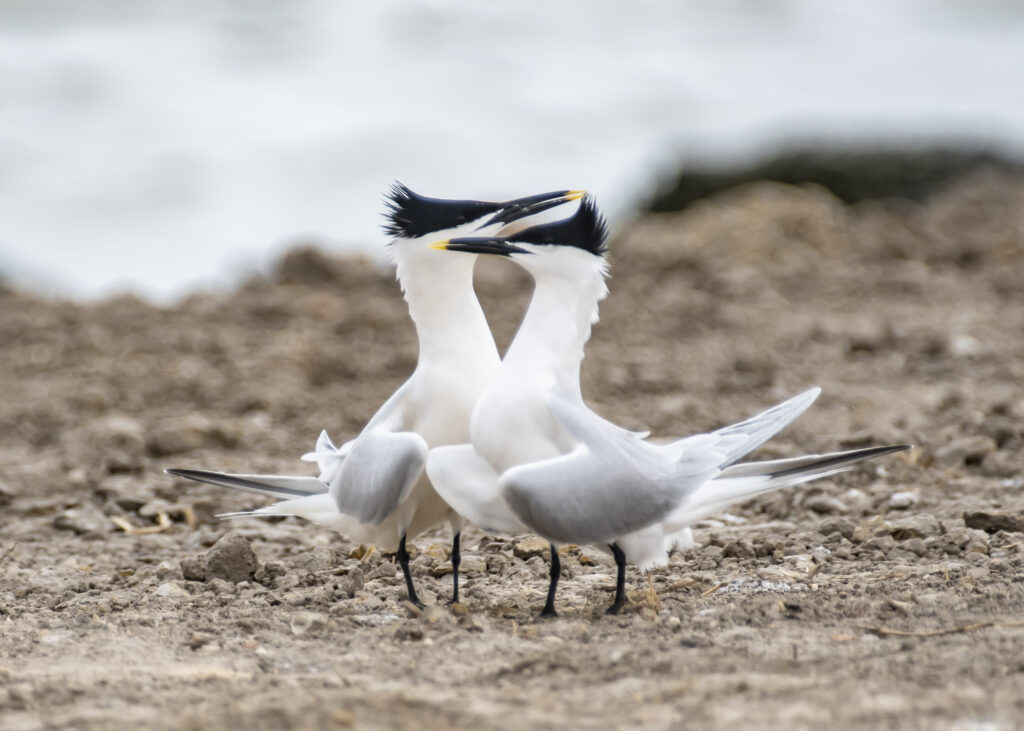
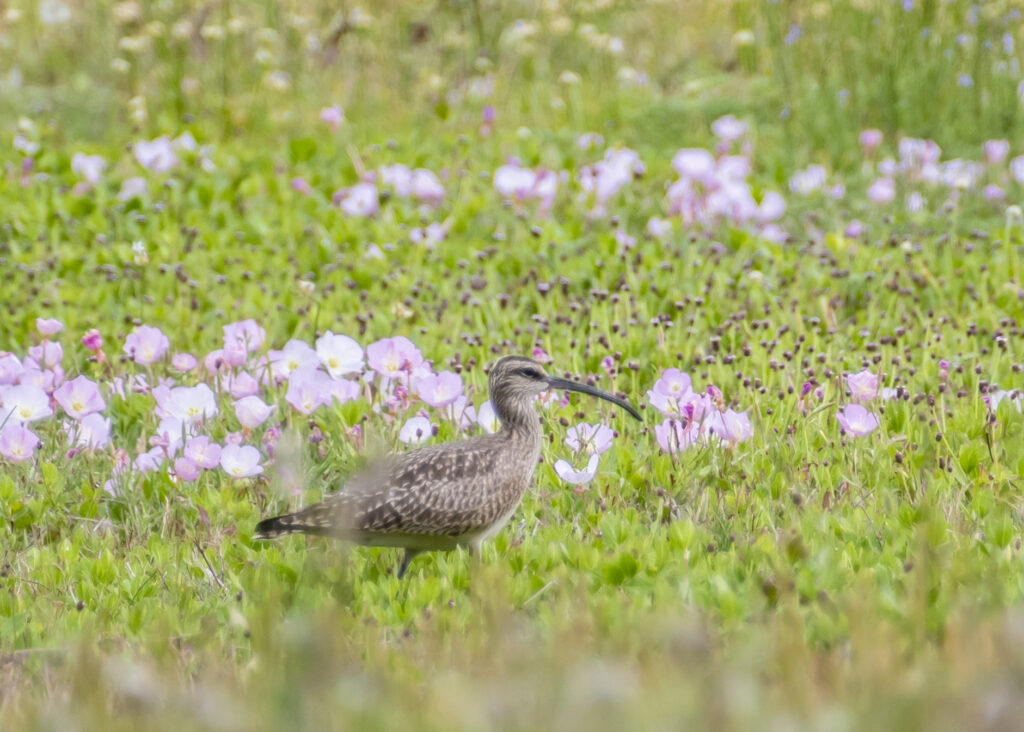
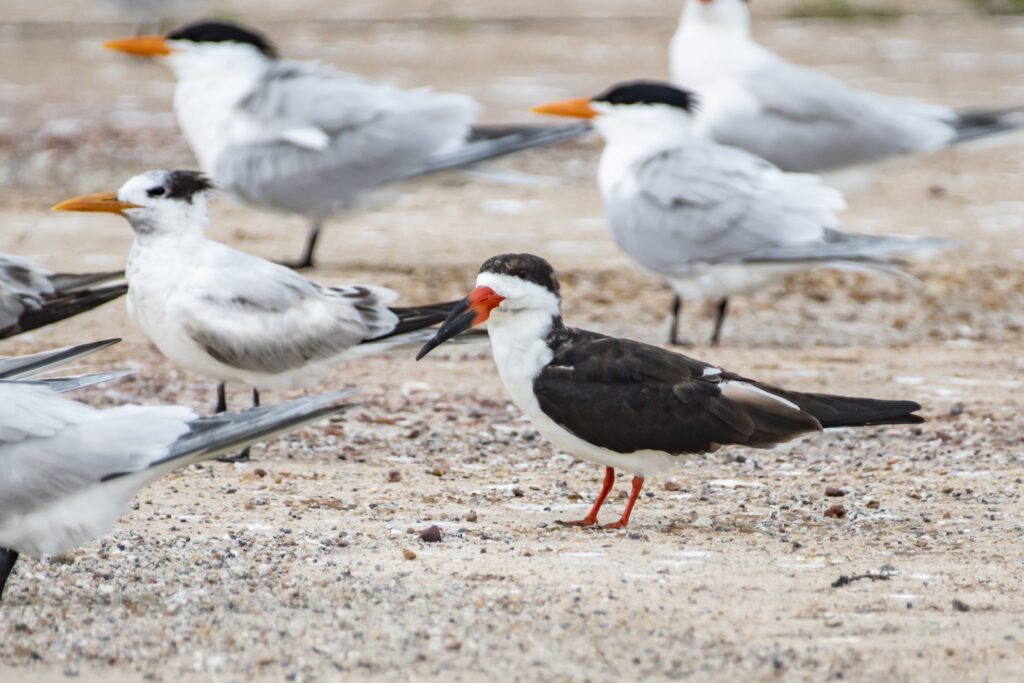
Instead of taking a bus, the members of our group drove our own cars, driving caravan-style, one behind another. We were given walkie-talkies to maintain a line of communication even while driving. We went first to a series of roadside ponds at Virginia Point, then to another couple of settling ponds near an industrial plant, then to the Texas City Dike, and lastly to a stretch of private property along a bayou adjacent to a wastewater treatment plant. Among the birds we got to see were Black Skimmers, a Hudsonian Whimbrel, a Marbled Godwit, a Red-Breasted Merganser, Royal Terns, Sandwich Terns, and more.